
Gold vs Bitcoin in 2026: which held up better, and which would we pick?
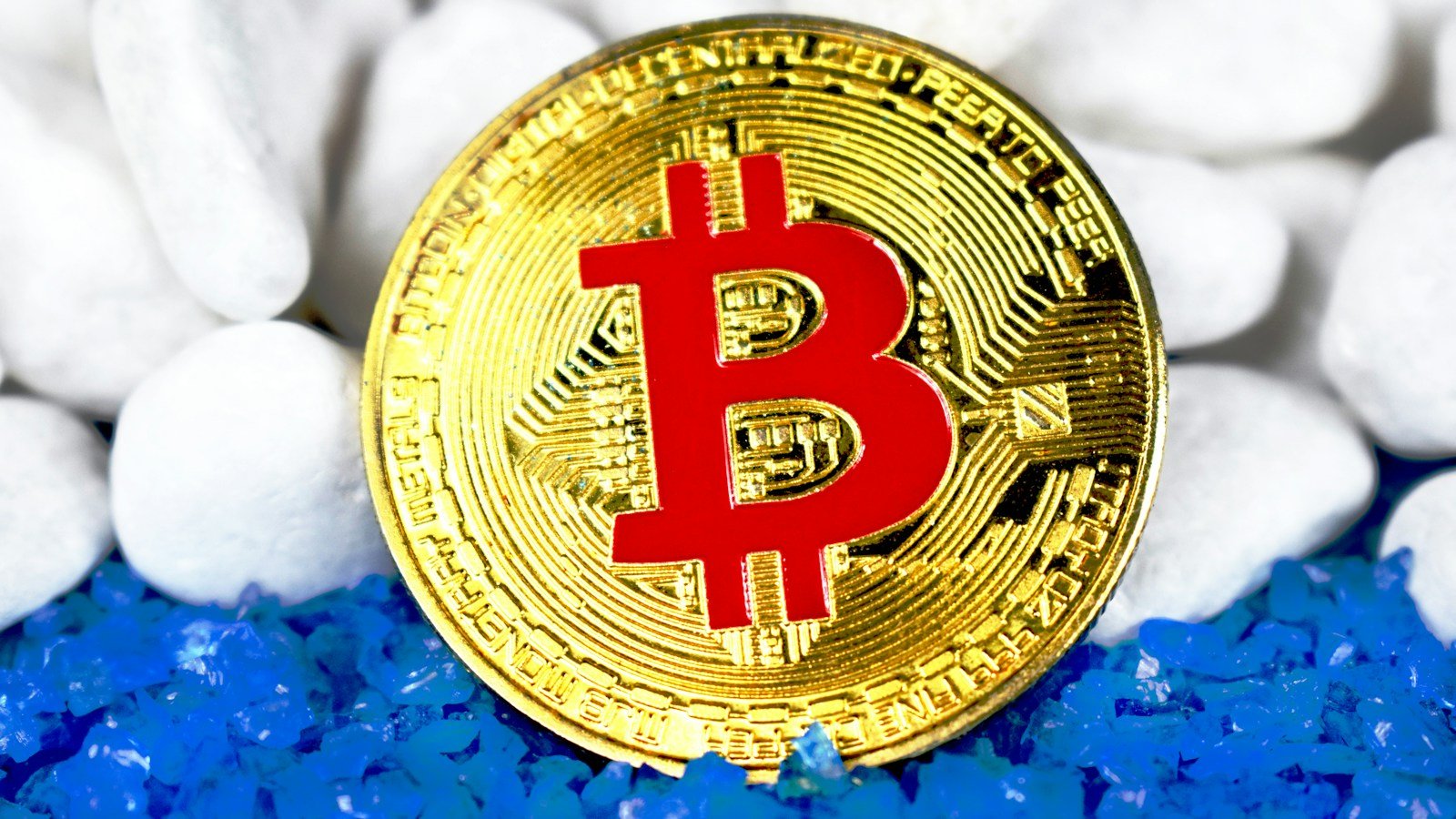
Neither gold nor Bitcoin protected investors in 2026. Both are among the worst-performing major assets of the year so far, while US stocks are up. If we had to pick one as a long-term hedge, we’d pick gold, in a small dose, because its history of holding value is centuries long and its falls are smaller.
Label: comparison and opinion. General education, not financial advice. All investments can lose value. Prices are as reported in early November 2026 and will have moved by the time you read this.
How have gold and Bitcoin done in 2026?
Both fell, and by a lot. Gold hit a record of about $5,500 an ounce in late January 2026. By November 3, it was near $3,935, roughly 27% below that peak, according to FXStreet and CryptoTicker.
Bitcoin’s record of about $126,000 came in October 2025. It dropped below $58,000 in July 2026 and was trading around $76,500 on November 3. That’s about 39% below its high.
By late October, Bitcoin.com News reported Bitcoin down 7.3% for the year and gold down 7.5%, ranking both last among major assets. Over the same period, the S&P 500 was up by double digits, according to Slickcharts.
Why did both “safe havens” fall at the same time?
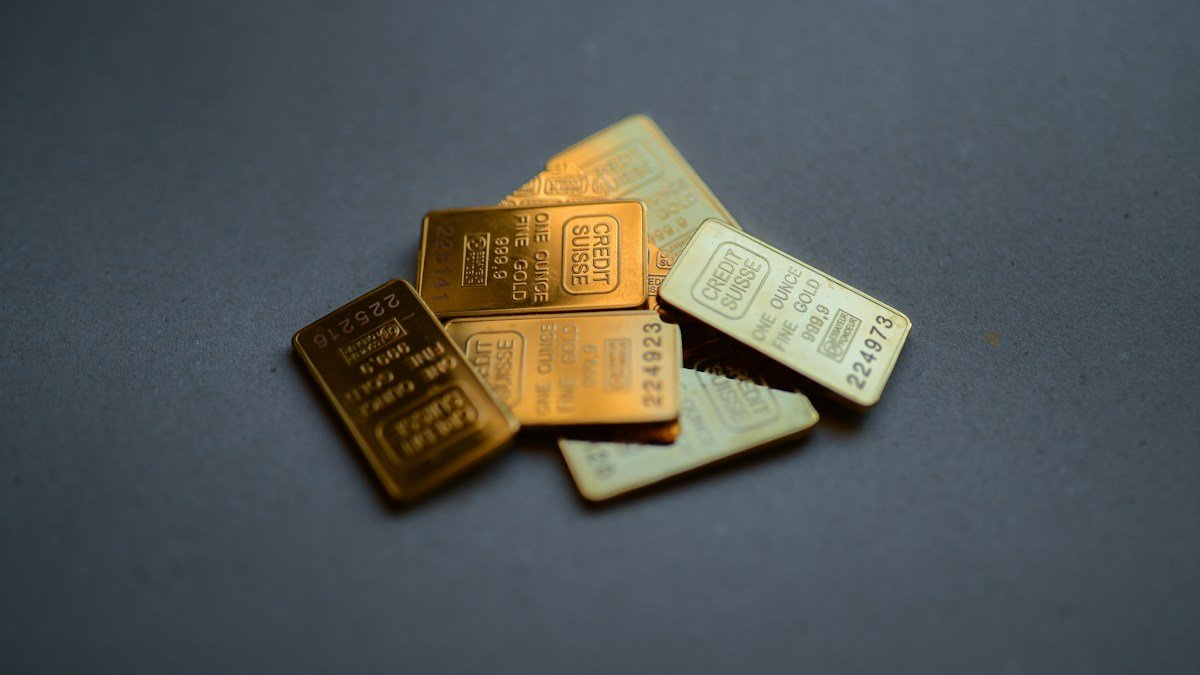
A safe haven is something people buy when they’re scared. In 2026, investors weren’t scared enough. Stocks kept rising, so the reason to hold gold and Bitcoin as protection got weaker, and money moved back into shares. CryptoPotato and Investing.com both describe 2026 as a year when the safe-haven trade went into reverse.
Gold had also run up very fast. A big rally followed by a big fall is normal for any asset that gets crowded. That doesn’t mean gold stopped working. It means buying after a record carries more risk than buying after a fall.
Which one swings more?
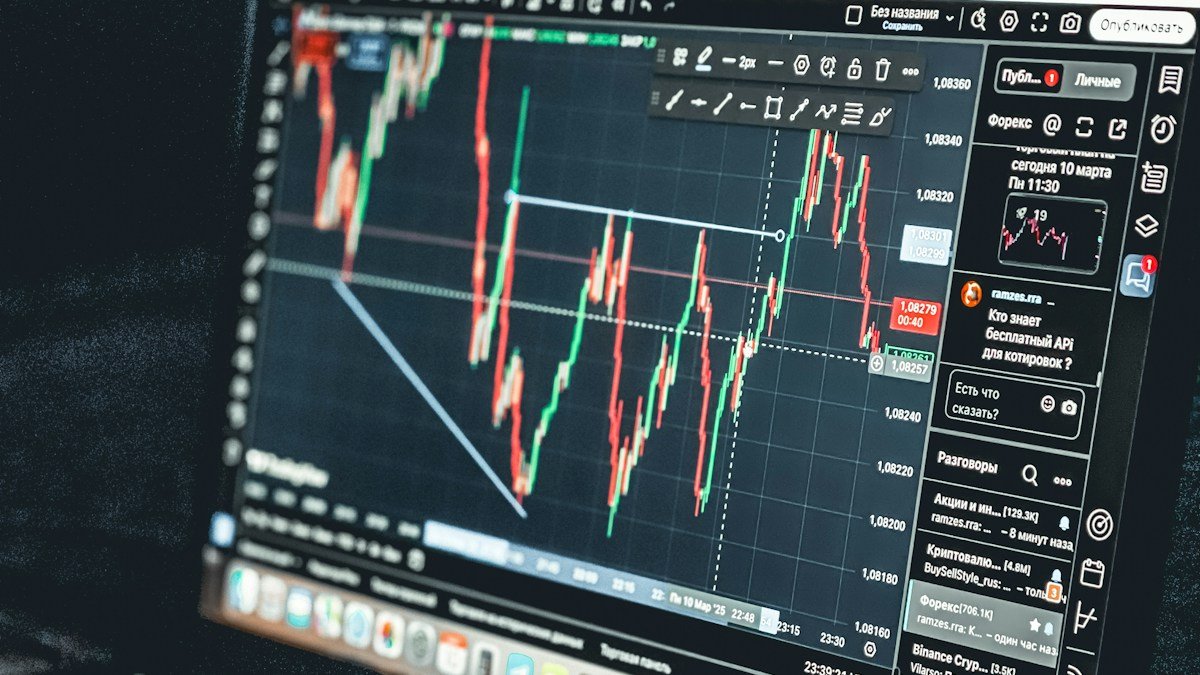
Bitcoin, by far. Bitcoin fell more than half from its record to its July low, and then bounced more than 30%. Gold’s 27% fall in 2026 was large by gold’s standards, but its worst years are still smaller than Bitcoin’s ordinary ones.
That difference matters more than any prediction. If you can’t hold through a 50% fall without selling, you shouldn’t own enough Bitcoin for that fall to hurt you.
How does the Pylcrow Safe-Haven Scorecard rate them?
We scored both on five questions, each 0, 1 or 2, for a total out of 10.
| Question | Gold | Bitcoin |
|---|---|---|
| Long track record of holding value | 2 | 1 |
| Smaller price swings | 1 | 0 |
| Protected investors in 2026 | 0 | 0 |
| Easy and cheap to own (for example through an ETF) | 2 | 2 |
| Upside if things go very well | 1 | 2 |
| Total | 6/10 | 5/10 |
Neither pays you anything to hold it. No dividends, no interest. Both rely only on someone paying a higher price later, which is why we’d never make either the core of a portfolio.
So which would we pick?
Gold, as a small slice next to a diversified core of stocks and bonds. Its job is to behave differently from shares over long periods, and it has done that for a very long time, even if 2026 wasn’t one of those years.
Bitcoin can have a place, but only as a small, high-risk position you’re ready to see halve. Treat it as a bet with a big possible payoff, not as protection.
What we would not do is buy either one because it has just fallen and “must bounce back”. Neither price has a floor. Our guide to stocks, bonds, gold and cash explains how the pieces fit together.
Pylcrow’s take: the real lesson of 2026 is about labels
“Safe haven” is a description of how something behaved in the past, not a promise about the future. 2026 is a good reminder that both gold and Bitcoin can fall hard in the same year, at the same time, while boring index funds do the heavy lifting.
We’d rather own a little of something we understand, sized so a bad year doesn’t change our plans, than a lot of something we bought because a headline called it safe.
Frequently asked questions
Is gold better than Bitcoin?
For stability and track record, gold scores higher. For possible upside, Bitcoin scores higher, with much larger risk. In 2026 both fell.
Why is gold falling in 2026?
After a record high in January, gold fell as stocks rallied and fewer investors felt the need for protection. It was about 27% below its record in early November.
Is Bitcoin a safe haven?
Not on 2026’s evidence. Bitcoin fell more than half from its record to its July low, which is not how a safe haven behaves.
How much gold or Bitcoin should I own?
That depends on your situation, and this isn’t personal advice. As a general principle, keep any single non-income asset small enough that a 50% fall wouldn’t change your plans.
What is the Pylcrow Safe-Haven Scorecard?
It’s our five-question score for any asset sold as protection: track record, price swings, how it did this year, cost to own, and upside.
What should you read next?
Read how to spot investing hype, what to do when markets crash and how to start investing. More in Pylcrow Money.
The full Pylcrow Money starter series:
- Investing explained: it’s not as complicated as people make it sound
- Before you buy your first stock, read this
- ETFs explained: how one purchase can mean owning hundreds
- The internet is obsessed with making you rich
- Dividends explained: what’s the catch?
- Stocks, bonds, gold and cash: what does each one do?
- Why your first $1,000 matters more than you think
- Passive income isn’t as passive as they tell you
- The market crashed. Do you need to do anything?
- If I had to learn investing again, this is where I’d start
Before you act on any of this
Not financial advice. Pylcrow Money is general educational material, not individual investment, legal or tax advice. All examples are hypothetical and are not a forecast or a promise of returns. Investing involves risk, including losing money. Which funds you can buy, and the fees, taxes, rules and currency costs that apply, depend on where you live and on your own situation. If you are unsure, speak to a licensed adviser in your country. Read our full disclaimer.
By Pylcrow. Last reviewed: November 2, 2026.
Sources: FXStreet (November 3 prices); Bitcoin.com News; CryptoPotato; CryptoTicker; Investing.com; Slickcharts. Percentages are rounded Pylcrow calculations from reported prices. Scores are Pylcrow’s opinion. Photos under the Unsplash License, credited in captions.