Dividends explained: getting paid to own stocks sounds amazing. What’s the catch?
A dividend is a cash payment a company or fund makes to its investors, and dividend yield is that yearly payment divided by the share price. Getting paid without selling anything is genuinely attractive, and income was one of the things that pulled me into investing. But the payment isn’t free money, and a high yield can be a warning rather than a bargain.
Not financial advice. This is general education drawn from my own ten years of investing, not personal investment, tax or legal advice. Every number here is a hypothetical example unless a source says otherwise.
How do dividends work?
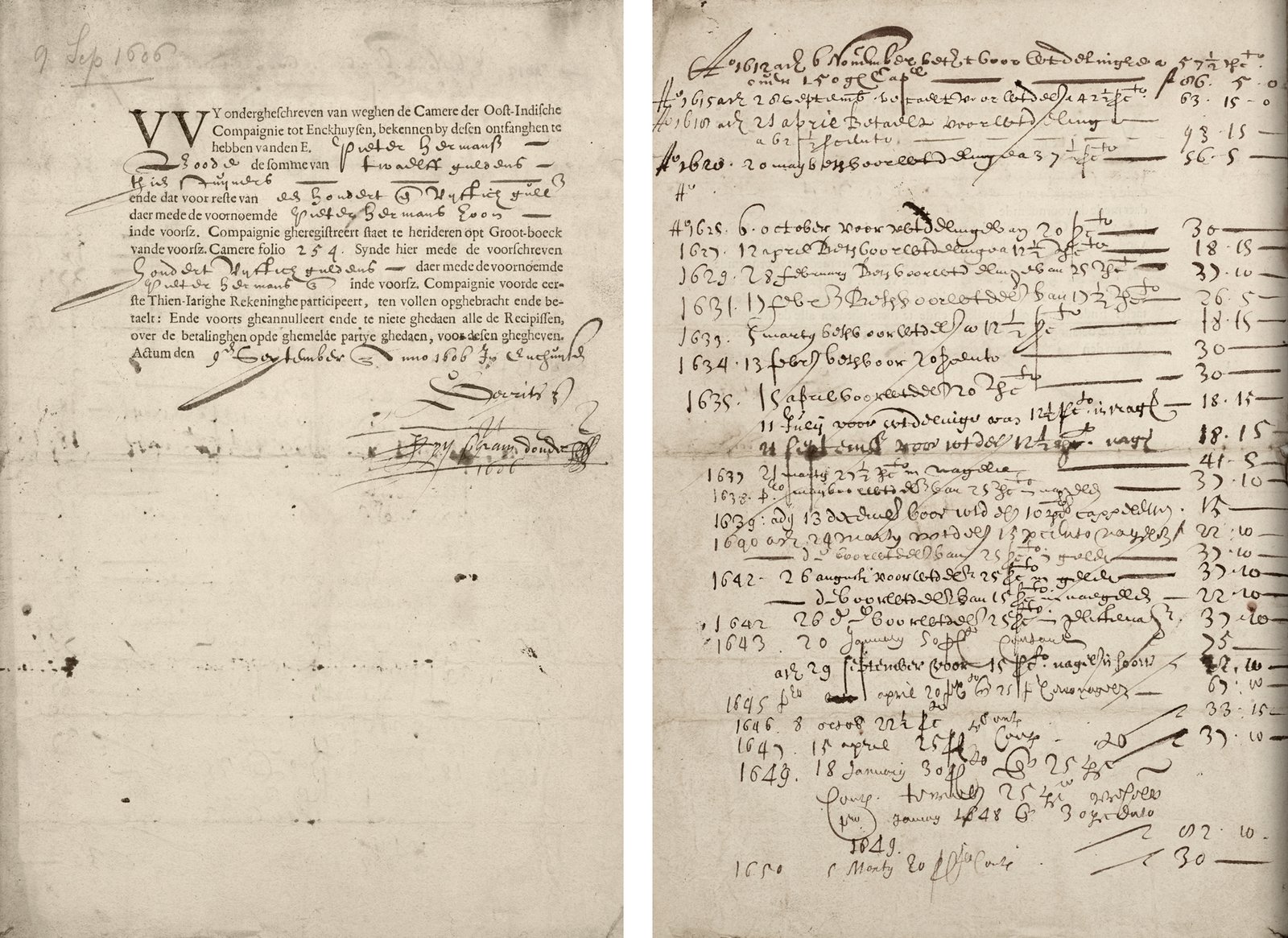
If you own 100 shares and the company pays $2 per share a year, you’d receive $200 over the year, assuming the rate and your eligibility stay the same. Companies can raise, cut or stop dividends at any time. Funds pass on the dividends from the companies they hold. The idea is centuries old: the Dutch East India Company share at the top of this page, dated 1606, records dividend payments on its second page.
What is dividend yield, and why can a high one be a trap?
Dividend yield compares the yearly payment per share with today’s share price. A stock trading at $100 that pays $4 a year has a 4% yield. If the price falls to $50 and the payment stays at $4, the quoted yield jumps to 8%.
Nothing about the business improved. The price fell, often because investors are worried about something, and the yield went up as a side effect. That’s how people end up buying a “high yield” right before the dividend gets cut. FINRA’s guide to evaluating performance explains the same mechanics.
| Share price | Yearly dividend | Yield |
|---|---|---|
| $100 | $4 | 4% |
| $50 | $4 | 8% |
Why does total return matter more than income?
An investment can pay you 10% in distributions and still lose 15% in market value. You’d be paid and poorer at the same time. The question that matters is what happened to your whole investment, after fees and taxes: the price change plus the payments. That’s called total return, and it’s the number I wish I’d watched from day one.
The SEC makes a related point about fund distributions: when a fund pays out, its value drops by roughly the amount paid. The money moved from the fund to you. It wasn’t created from nothing.
What about monthly income ETFs?
Some funds advertise big monthly payouts. They can get that cash from dividends, options premiums, capital gains, or simply handing back part of your own money (called return of capital). A high distribution rate isn’t the same as a profit.
Many of these funds sell options to generate income. That can cap your gains when markets rise while leaving you with most of the losses when they fall. If you don’t understand how options work, it’s worth learning before buying a fund built on them.
How much money do you need to live off dividends?
At an assumed 4% yield:
- $1,000 a year needs about $25,000 invested.
- $12,000 a year (about $1,000 a month) needs about $300,000 invested.
Taxes, fees, fund performance and dividend cuts can all change that. It’s a big number, which is exactly why starting early matters. We look at the “passive” part honestly in passive income isn’t as passive as they tell you.
Pylcrow’s take
Getting paid regularly is nice. Protecting and growing the whole investment matters more. Chasing the highest yield is one of the most common beginner mistakes I see, and I’ve made a version of it myself. Run the Pylcrow 3-question test: where is this payout actually coming from?
Frequently asked questions
Is a higher dividend yield better?
Not necessarily. A yield can rise because the share price fell on bad news, and very high yields are sometimes followed by dividend cuts.
Are dividends guaranteed?
No. Companies and funds can reduce or stop payments at any time.
What is total return?
The change in your investment’s value plus any payments you received, after costs. It’s the full picture, not just the income.
How much do I need to invest to earn $1,000 a month in dividends?
At a hypothetical 4% yield, about $300,000, before taxes and fees, and only if payouts hold up.
What should you read next?
This is part 5 of 10 in Pylcrow Money: the real picture, a starter series written from ten years of getting some of this right and some of it wrong.
Next in the series: Stocks, bonds, gold and cash: what does each one do?
The full Pylcrow Money starter series:
- Investing explained: it’s not as complicated as people make it sound
- Before you buy your first stock, read this
- ETFs explained: how one purchase can mean owning hundreds
- The internet is obsessed with making you rich
- Dividends explained: what’s the catch?
- Stocks, bonds, gold and cash: what does each one do?
- Why your first $1,000 matters more than you think
- Passive income isn’t as passive as they tell you
- The market crashed. Do you need to do anything?
- If I had to learn investing again, this is where I’d start
Before you act on any of this
Not financial advice. Pylcrow Money is general educational material, not individual investment, legal or tax advice. All examples are hypothetical and are not a forecast or a promise of returns. Investing involves risk, including losing money. Which funds you can buy, and the fees, taxes, rules and currency costs that apply, depend on where you live and on your own situation. If you are unsure, speak to a licensed adviser in your country. Read our full disclaimer.
By Pylcrow. Last reviewed: November 2, 2026.
Sources: FINRA: evaluating performance; Investor.gov (SEC): fund distributions; FINRA: options. Top image: a Dutch East India Company share from 1606, Westfries Archief, public domain via Wikimedia Commons.