Illuminati vs Skull and Bones vs Bohemian Grove vs Freemasons: what’s documented and what’s myth

All four are real, but only two still matter in any practical way. The Illuminati was a small Bavarian society that was shut down in the 1780s. Skull and Bones and Bohemian Grove are real elite networks. The Freemasons are a large, public fraternity with private rituals. The stories about any of them secretly running the world are not supported by evidence.
Label: explainer. Case File. We separate the documented history from the popular myths. Historical details come from encyclopaedias, the organisations themselves and reputable reporting, linked below.
Was the Illuminati real?
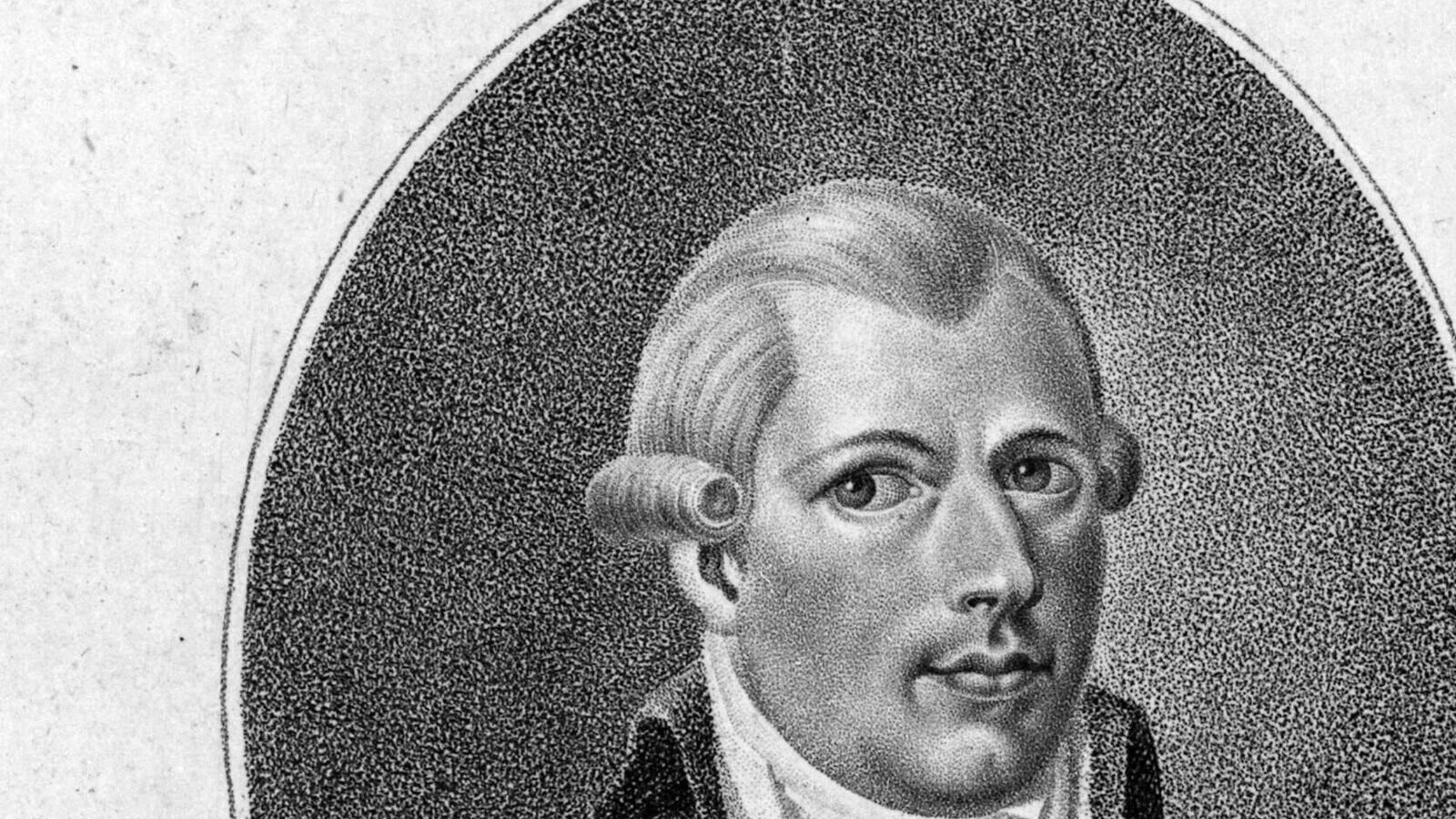
Yes, briefly. Law professor Adam Weishaupt founded the Bavarian Illuminati in Ingolstadt on May 1, 1776. It was an Enlightenment society that wanted to reduce the influence of the church and monarchy over public life. The Bavarian government banned secret societies in 1784 and 1785, and the group collapsed, according to Britannica.
What’s documented: a real organisation, real members, and a real ban. What isn’t: any evidence it survived, went underground, or controls anything today. The modern “Illuminati” is a story that grew from 1790s pamphlets blaming it for the French Revolution, not from the group itself.
What is Skull and Bones?
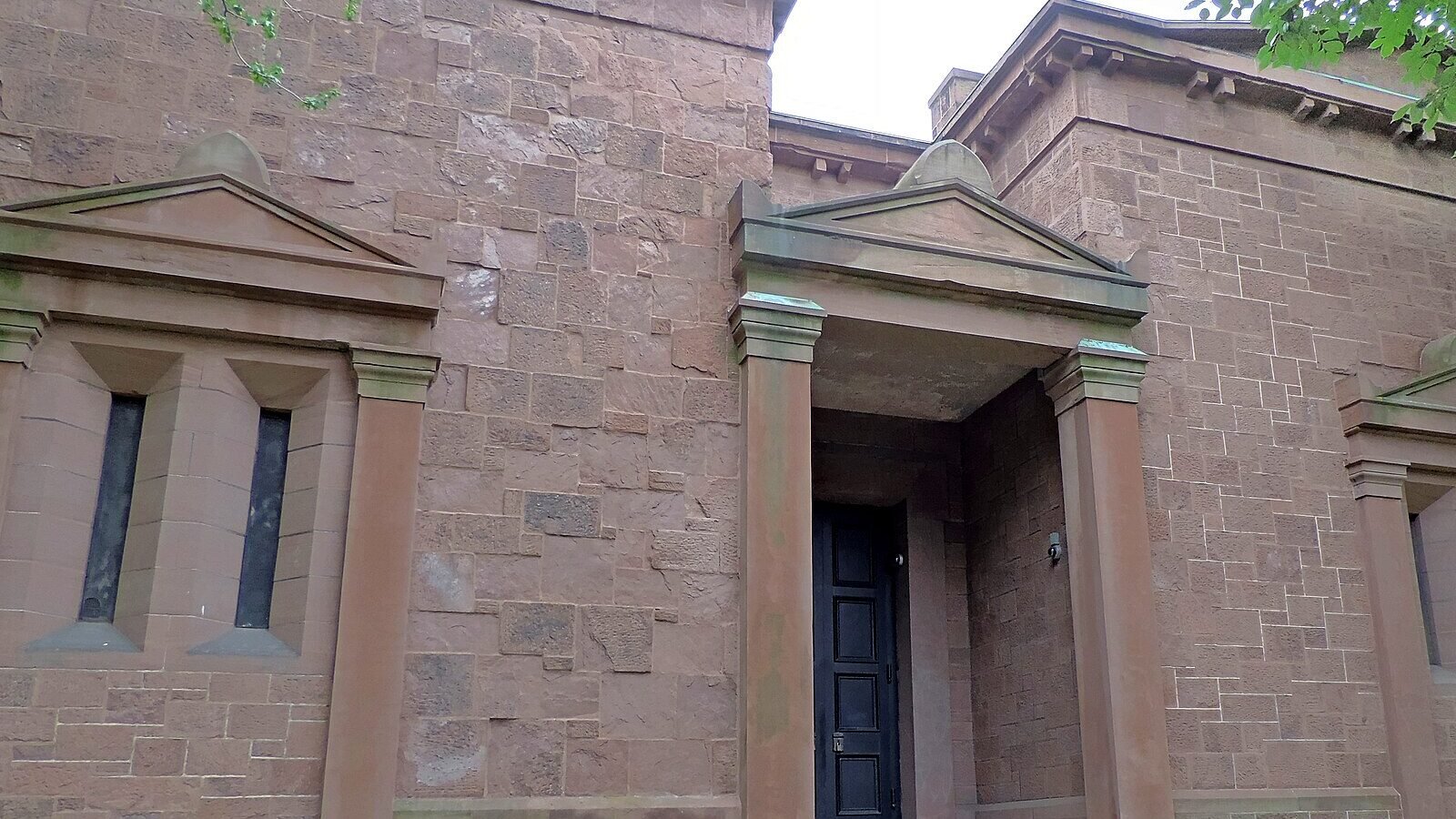
A senior society at Yale University, founded in 1832. It taps about 15 students a year, meets in a windowless building called the Tomb, and has counted presidents, senators and business leaders among its members. Both candidates in the 2004 US presidential election, George W. Bush and John Kerry, were members.
What’s documented: a powerful alumni network that has helped members’ careers. What isn’t: evidence that it directs government policy. A network of well-connected graduates is influential, but that’s true of many universities’ alumni clubs, not proof of a hidden plan.
What happens at Bohemian Grove?
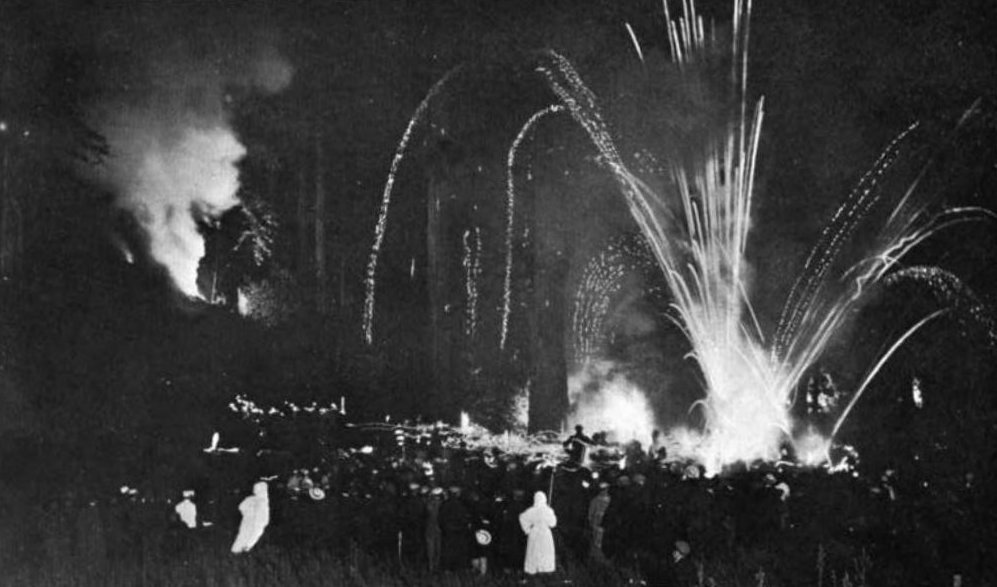
Bohemian Grove is a redwood campground in Monte Rio, California, owned by the Bohemian Club, a private men’s club founded in San Francisco in 1872. Each July, roughly 2,000 members and guests gather there for about two weeks of talks, plays and drinking. The opening ceremony, the “Cremation of Care”, dates from the 1880s and involves burning an effigy of “Dull Care” in front of a large owl statue.
What’s documented: very powerful men attend, and some policy conversations have happened there. The club itself has said its motto is “Weaving spiders come not here”, meaning no business deals. What isn’t: any evidence that the ceremony is anything more than theatre. It’s strange, it’s exclusive, and it’s been widely reported on. That doesn’t make it sinister.
Who are the Freemasons?
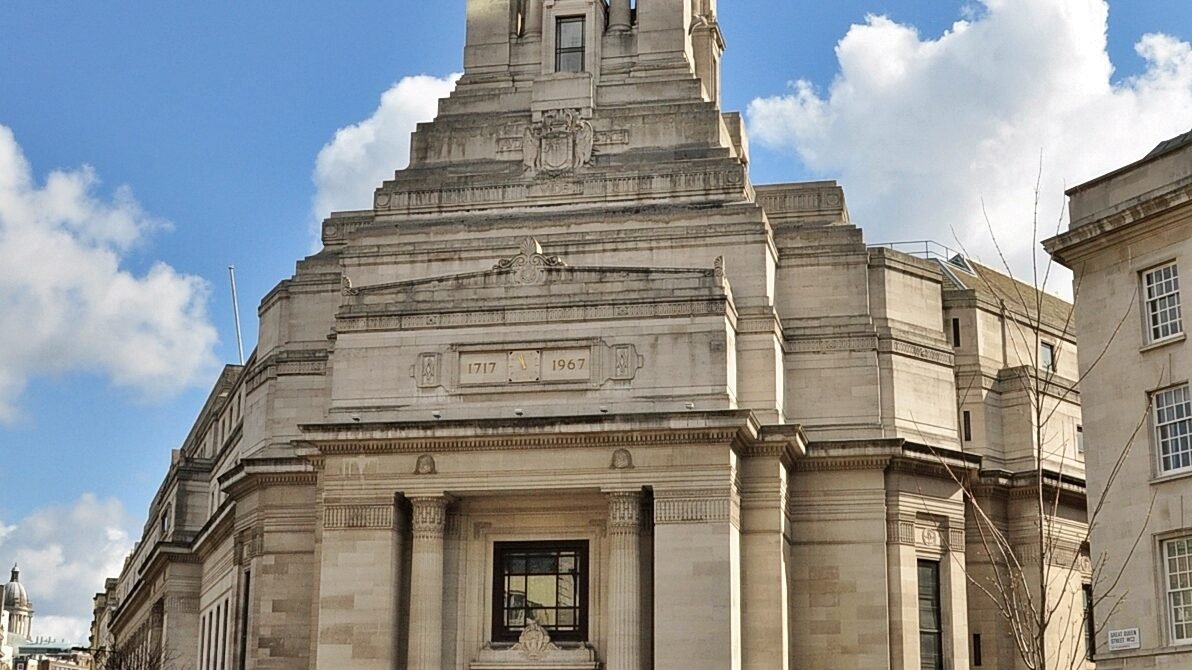
The Freemasons are a worldwide fraternity with roots in medieval stonemasons’ guilds. The first Grand Lodge was founded in London in 1717. Its successor, the United Grand Lodge of England, formed in 1813 and is based at Freemasons’ Hall, which opened in 1933 and runs public tours.
What’s documented: millions of members worldwide, private rituals and handshakes, and a lot of charity work. What isn’t: evidence of a hidden political agenda. Freemasonry is better described as a society with secrets than a secret society. You can look up its lodges, its leaders and its accounts.
How do they score on evidence?
We used the Pylcrow Case File Evidence Score, adapted for organisations. Four questions, each scored 0, 1 or 2. A higher score means more of the claim is documented.
| Question | Illuminati | Skull and Bones | Bohemian Grove | Freemasons |
|---|---|---|---|---|
| Does it exist today? | 0 | 2 | 2 | 2 |
| Are members known? | 1 | 2 | 1 | 2 |
| Is its real influence documented? | 0 | 1 | 1 | 1 |
| Is there evidence for the “secret control” myth? | 0 | 0 | 0 | 0 |
| Documented total | 1/8 | 5/8 | 4/8 | 5/8 |
Look at the last row. It’s zero across the board, and that’s the whole story.
Pylcrow’s take: the real history is better than the myths
Secret societies are fascinating because they’re about something real: powerful people like to meet privately, and exclusive clubs help their members. That’s worth knowing and worth questioning.
But the step from “rich people have private clubs” to “a secret group runs the world” has no evidence behind it. The documented story, of an 18th-century society crushed by a king, a Yale club with a tomb, and a forest ceremony with an owl, is strange enough on its own.
Frequently asked questions
Does the Illuminati still exist?
No. The original Bavarian Illuminati was banned in the 1780s and dissolved. There’s no evidence it continued.
Is Skull and Bones a secret society?
It’s a private senior society at Yale with secret rituals, but its existence, building and many members are publicly known.
What is the Cremation of Care?
It’s a theatrical opening ceremony at the Bohemian Club’s summer camp, held since the 1880s, in which an effigy of “Care” is burned to mark leaving worries behind.
Are the Freemasons a secret society?
Not really. They’re a public organisation with known lodges and leaders. Only some rituals are private.
What is the Pylcrow Case File Evidence Score?
It’s our four-question test that separates what’s documented about a mystery from what’s only claimed.
What should you read next?
More Case Files: what sank the Edmund Fitzgerald, the Mary Celeste theories ranked and why Unsolved Mysteries still haunts us. Everything else is in Mysteries.
Sources: Britannica: Illuminati; Wikipedia: Skull and Bones; Wikipedia: Bohemian Grove; Wikipedia: Freemasonry; United Grand Lodge of England. Evidence scores are Pylcrow’s opinion.