
The midterms flipped Congress. Here’s what it means for your stocks, gold, savings and mortgage
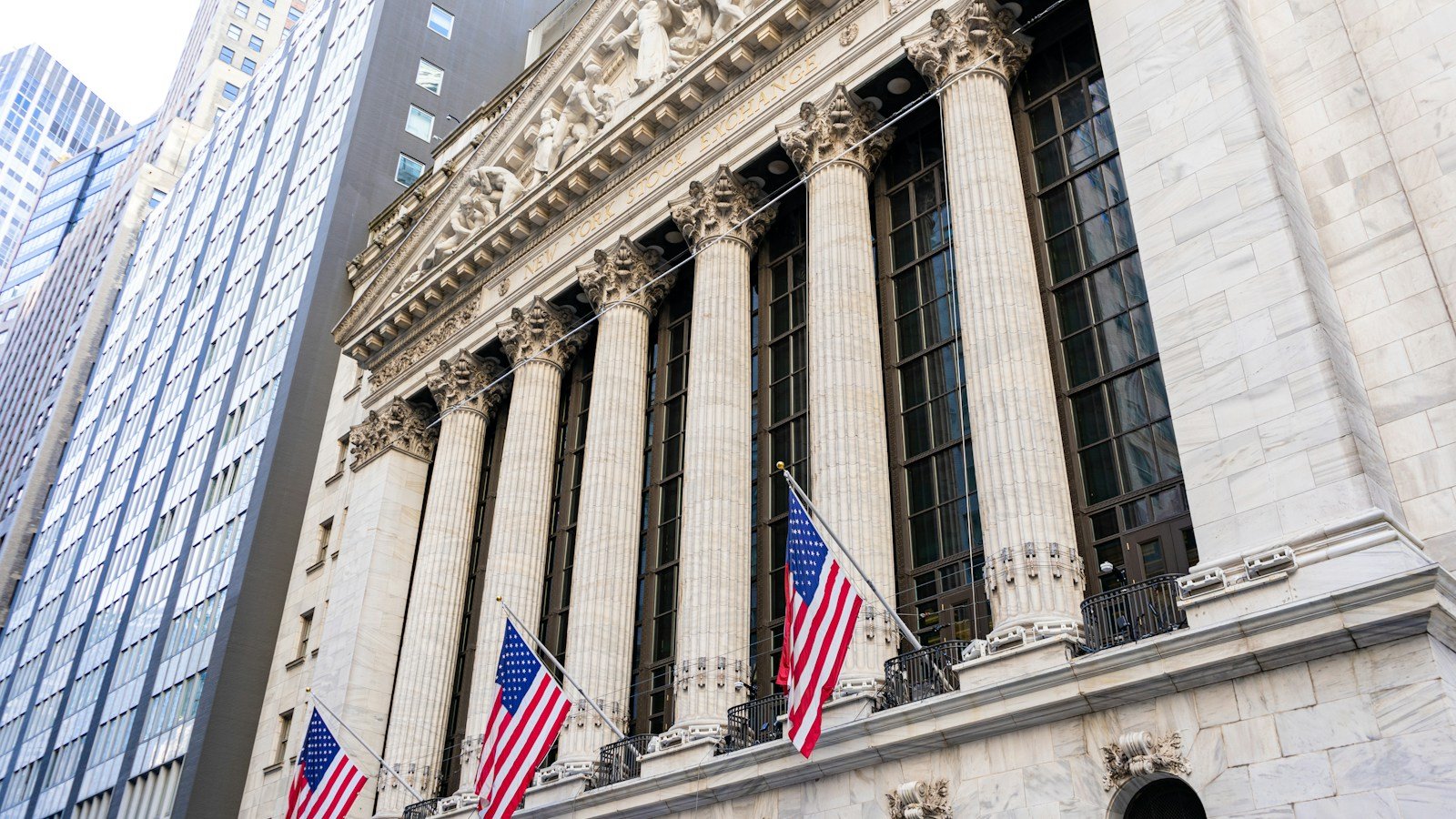
On election night, as the first big Senate calls came in for Democrats, the screens that track stock futures turned red. Traders were pricing in a nightmare: a new Congress at war with the White House, investigations, shutdowns, maybe tax hikes. By Wednesday morning, the same traders were buying. The Dow Jones Industrial Average jumped more than 1,000 points during the session, gold climbed back above $4,000 an ounce, and Treasury yields fell, according to CNBC and CNN. The market spent the night fearing the result and the morning celebrating it.
Short answer: the 2026 midterm results change very little for your savings rate or mortgage right now, because the Federal Reserve, not Congress, sets interest rates, and the Fed is still fighting 3.7% inflation. What changed is the mood: stocks and gold rallied on the bet that a split government means gridlock, and the real money effects will come later, through tariffs, health subsidies and funding fights.
Label: analysis and opinion. General education, not financial advice. Results were still being counted on November 4, 2026. Prices are intraday snapshots from that day and will have moved by the time you read this.
What actually happened on November 3?
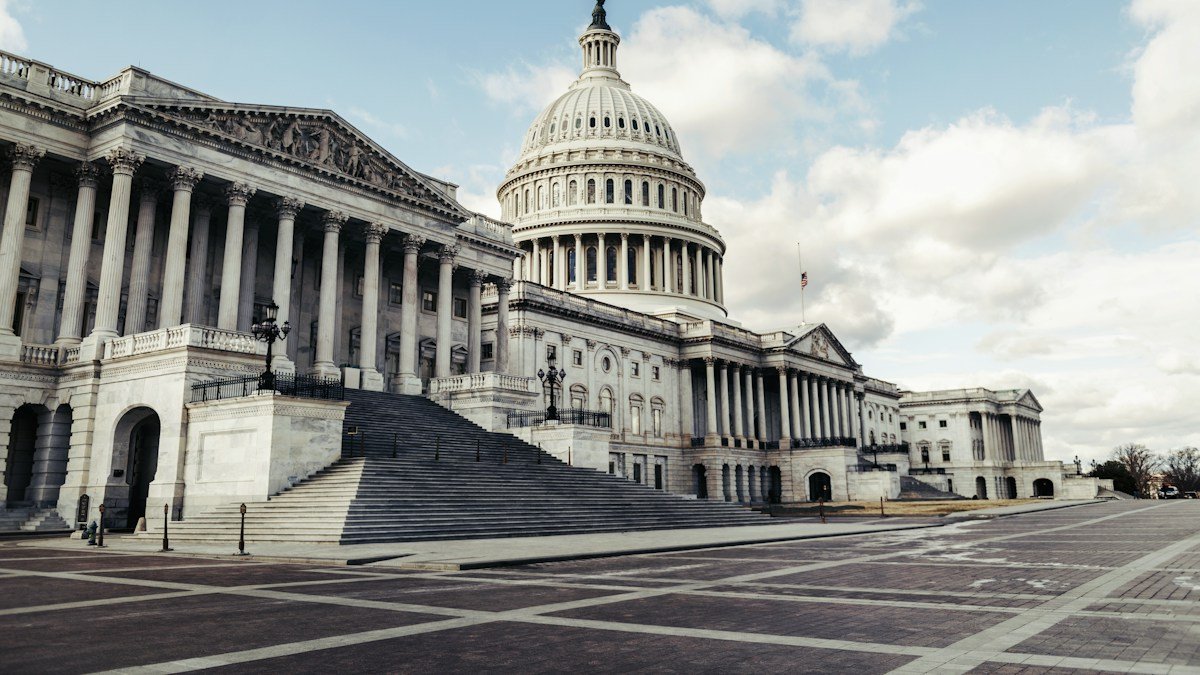
Democrats are projected to win control of both the House and the Senate. CBS News estimates Democrats will hold between 251 and 268 House seats once counting ends, well above the 218 needed, and projects at least 54 Senate seats, with races still outstanding (CBS News). The closest is Mississippi, where Democrat Scott Colom led Republican Senator Cindy Hyde-Smith by 43 votes with more than 95% counted (NBC).
| What | Result as of November 4 | Status |
|---|---|---|
| House | Democratic majority, about 251 to 268 seats (CBS estimate) | Projected |
| Senate | Democratic majority, at least 54 seats (CBS) | Projected, races outstanding |
| Mississippi Senate | Colom (D) ahead of Hyde-Smith (R) by 43 votes | Too close to call |
| White House | President Trump, with full veto power | Unchanged |
That last row is the one investors care about most. Democrats will set the agenda in Congress from January, but they don’t have the two-thirds majorities needed to override a veto. Bank of America told clients gridlock is its base case for exactly that reason (Reuters, via The Globe and Mail).
Why did the stock market rally after a Democratic win?

Because markets hate uncertainty more than they hate any one party. Once the scale of the result was clear, the guessing stopped. CNBC reported that the rally came as the decisive result “removed political risk” that had been hanging over Wall Street.
The second reason is gridlock. A divided government usually means fewer big laws, and fewer big laws means fewer surprises for companies. Capital Economics said the result “does not change much” in the near term, and a State Street strategist put it bluntly: “I don’t think the big risk to markets is from the blue wave; it’s investors overreacting to a blue wave” (Reuters).
There’s a catch for tech investors. Analysts quoted by Reuters expect a Democratic Congress to open investigations into the technology sector and the AI data-center boom, even if laws that seriously slow it down look unlikely. Ground News tracks that story across left, center and right outlets.
| Asset | Move on Wednesday, November 4 (intraday) | Source |
|---|---|---|
| Dow Jones | Up more than 1,000 points (about 2.5% to 2.7%) | CNBC, CNN, Yahoo Finance |
| S&P 500 | Up about 1.5% | CNBC, Yahoo Finance |
| 10-year Treasury yield | Down about 0.05 points, to roughly 4.90% | CNBC |
| Gold | Up 2% to 3%, around $4,005 to $4,043 an ounce | Kitco, CNBC, Traders Union |
| US dollar | Lower | Kitco |
What does the midterm result mean for gold?

Gold got a short-term lift for a simple reason: the dollar and Treasury yields fell. Gold pays no interest, so when yields drop, the cost of holding it drops too, and buyers come back (Kitco).
Keep it in proportion. Even after Wednesday’s jump, gold was still down more than 7% for the year, according to Traders Union, and well below its January record. We covered that fall in gold vs Bitcoin in 2026.
Kitco also points to a tempting statistic: gold rose an average of 14% in the 12 months after the last 13 midterm elections. An average over 13 events hides a lot of bad years, and gold’s 2026 moves have been driven more by war, inflation and the Fed than by Congress. We’d treat that number as trivia, not a trading plan.
Will interest rates go down now that Democrats control Congress?
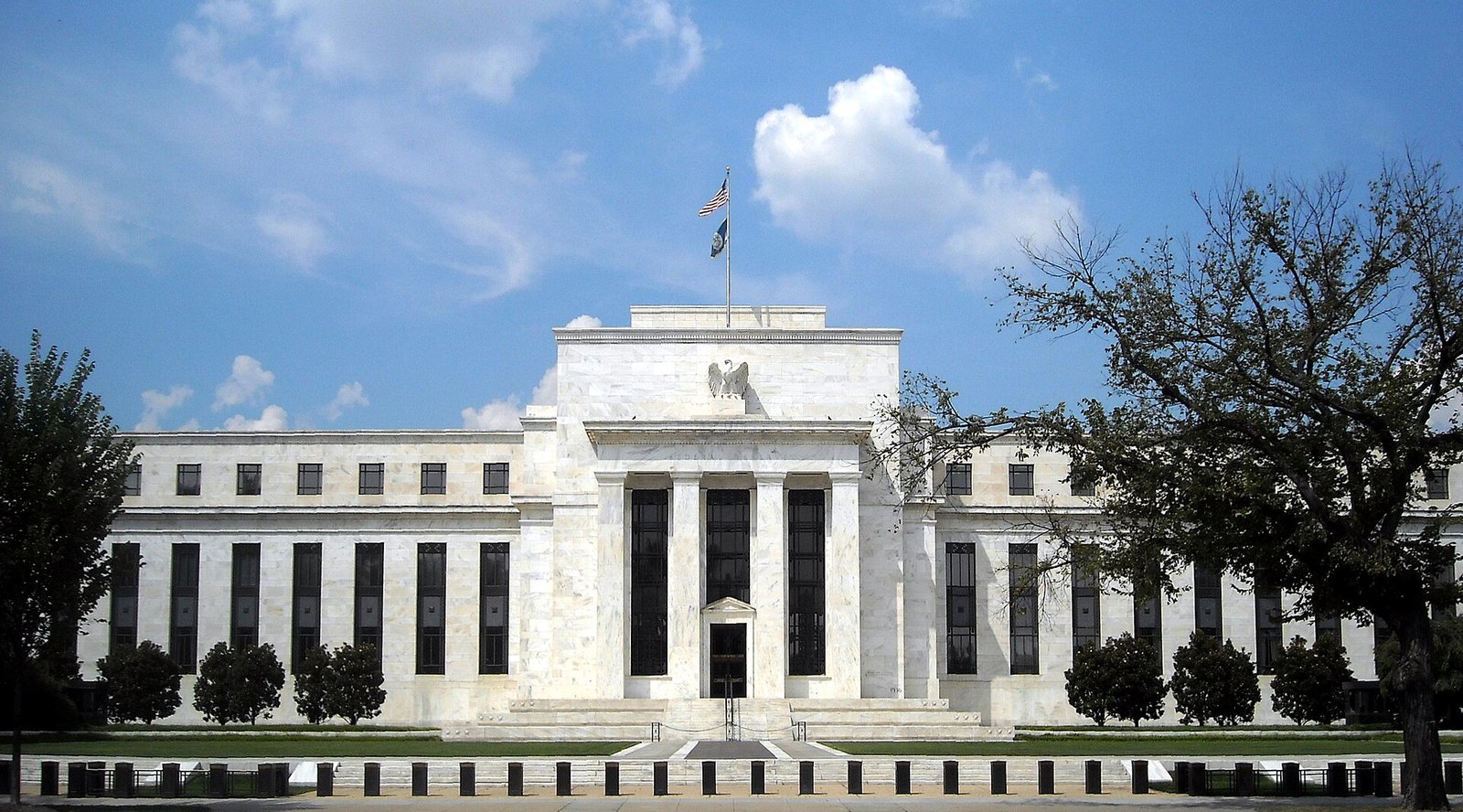
No, not because of the election. The Federal Reserve sets its benchmark rate independently, and its problem is inflation. On October 28, the Fed held its target range at 3.75% to 4.00% after raising it in September, and two officials, Lisa Cook and Beth Hammack, voted for another increase (CNBC, StockAnalysis).
The reason is in the data. The Bureau of Labor Statistics reported consumer prices up 3.7% in the year to September, with gasoline up more than 34%, largely because of the Iran war’s effect on oil (BLS). The Fed’s next decision is due in December, and futures-based reports were leaning toward another increase, not a cut. That’s a single-source market estimate, so treat it as a mood, not a forecast.
Where Congress can matter is long-term borrowing costs. If a Democratic Congress blocks new spending and tax cuts, the government may borrow less, which can ease long-term yields. Kitco flagged that possibility, and also said the effect may not last.
What happens to savings accounts and CDs?
For now, good news for savers survives the election. Savings rates follow the Fed’s rate, and the Fed is holding high. The best high-yield savings accounts were paying around 4.3% to 4.4% APY in early November, while the national average for savings accounts sat at just 0.57%, according to Bankrate.
That gap is the most useful number in this whole article. If your emergency fund sits in a 0.5% account, you’re losing far more to inflation than any election will cost or save you. Many top rates come with conditions such as direct deposit or minimum balances, so read the terms. Our first $1,000 guide covers where an emergency fund belongs.
What does the election mean for mortgage rates?

Mortgage rates follow the 10-year Treasury yield, which dipped on Wednesday, but not by enough to change a monthly payment. The average 30-year fixed rate was about 7.2% to 7.3% on November 4, depending on the survey (Fortune, Bankrate). Early in 2026, rates were just above 6%.
If you’re waiting for the election to make buying a home cheaper, the evidence doesn’t support it yet. Inflation and the Fed are still the main drivers. A lasting fall in yields would need inflation to cool, and the Iran war and oil prices matter more to that than who runs the House.
What could actually change in 2027?

House Democratic Leader Hakeem Jeffries, now in line to become Speaker, promised “transformational change” focused on affordability (NPR). Here is what that agenda could do to your money, and how likely it is to pass with President Trump still holding the veto.
| Democratic promise | Money channel | Can Congress do it alone? |
|---|---|---|
| Restore Affordable Care Act premium subsidies | Lower health premiums for marketplace buyers | No. Needs the president’s signature, or a deal inside a must-pass funding bill |
| End Trump’s tariffs | Prices of imported goods, company profits | No. The president keeps trade powers and could veto |
| End the Iran war | Oil and gas prices, inflation | Can pressure, can’t force. Any law faces a veto |
| Investigations of the administration and big tech | Headline risk for tech and AI stocks | Yes. Oversight needs no signature |
| Fund the government past December 11 | Shutdown risk, market noise | No. Needs a bill both sides sign |
Tariffs are the clearest example. After the Supreme Court struck down the emergency tariffs in February, the administration moved them under Section 301 of US trade law (Euronews). Business executives told Reuters they don’t expect cost or tariff relief soon (US News).
The date to circle is December 11, when federal funding runs out. One economist quoted by Reuters warned that divided government means “investigations, vetoes, funding deadlines, and very likely another government shutdown or two.” Shutdowns rarely change long-term returns, but they do move markets for a few weeks.
How true are the popular midterm money claims?
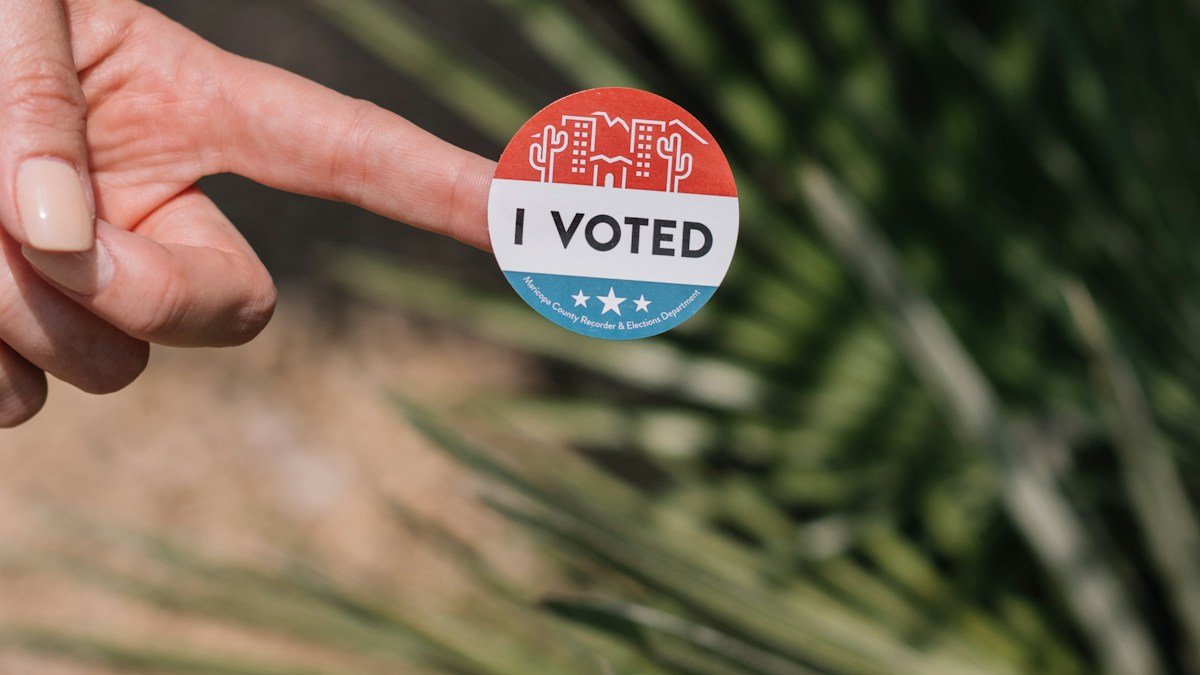
The internet loves a clean story after an election. Here’s the Pylcrow Truth Meter on the five we saw most.
| Claim | Truth Meter | Why |
|---|---|---|
| “Democrats will cut interest rates” | False | Congress doesn’t set rates. The Fed does, and it’s leaning toward holding or raising. |
| “Stocks always rise after midterms” | Mostly true, with a warning | CNBC notes the S&P 500 rose after each of the last 11 midterms since 1982. Eleven results is a small sample, not a law. |
| “Gold always rallies after midterms” | Unproven | A 14% average over 13 midterms (Kitco) hides weak years. 2026 gold is driven by war and the Fed. |
| “Mortgages will get cheaper now” | No evidence yet | The 30-year rate is still above 7%. A small yield dip doesn’t change payments. |
| “Tariffs end in January” | Unlikely | The president keeps trade powers and the veto. Executives expect no quick relief. |
Pylcrow’s take: the election moved the mood, not the math
The most dramatic chart of the week was the overnight futures crash that turned into a 1,000-point rally. It’s a good story. It’s also a reminder that markets react to surprises in hours and to policy over years.
The math that decides your money in 2027 hasn’t changed since Monday. Inflation is 3.7%, the Fed rate is 3.75% to 4.00%, savings accounts that pay 4% exist, and mortgages cost more than 7%. If you rebuilt your portfolio around a party, you’d have sold on Tuesday night and missed Wednesday. We’d rather keep a boring plan and check the result on Ground News or AllSides, where coverage from left, center and right sits side by side, before believing any one headline.
The one thing we would do this week: check what your savings account actually pays.
Frequently asked questions
How did the stock market react to the 2026 midterm results?
Futures fell overnight on November 3 as a Democratic sweep became likely, then stocks rallied on November 4. The Dow rose more than 1,000 points during the session and the S&P 500 rose about 1.5%, according to CNBC and Yahoo Finance.
Will the midterm results lower interest rates?
Not directly. The Federal Reserve sets rates independently. It held at 3.75% to 4.00% on October 28 with inflation at 3.7%, and its next decision is in December.
Is gold a good buy after the midterms?
Gold rose about 2% to 3% on November 4 as the dollar and yields fell, but it was still down more than 7% for 2026. Past midterm patterns are not a reliable guide. This isn’t personal advice.
What happens to savings account rates after the election?
Savings rates follow the Fed, not Congress. Top high-yield accounts paid around 4.3% to 4.4% APY in early November 2026, against a national average of 0.57%, according to Bankrate.
Can a Democratic Congress end Trump’s tariffs?
Not on its own. The president keeps trade powers under laws such as Section 301 and can veto bills, and Democrats lack the two-thirds majorities needed to override a veto.
What is the Pylcrow Truth Meter?
It’s our quick rating for popular claims: True, Mostly true, Unproven, No evidence, or False, with the reason and the source.
What should you read next?
Start with before vs after the 2026 midterms, our comparison of what changes for health costs, prices, gas and housing if Democrats keep their promises, with the key states. Then read what stocks, bonds, gold and cash each do, what to do when markets crash and how to spot investing hype. More in Pylcrow Money.
The full Pylcrow Money starter series:
- Investing explained: it’s not as complicated as people make it sound
- Before you buy your first stock, read this
- ETFs explained: how one purchase can mean owning hundreds
- The internet is obsessed with making you rich
- Dividends explained: what’s the catch?
- Stocks, bonds, gold and cash: what does each one do?
- Why your first $1,000 matters more than you think
- Passive income isn’t as passive as they tell you
- The market crashed. Do you need to do anything?
- If I had to learn investing again, this is where I’d start
Before you act on any of this
Not financial advice. Pylcrow Money is general educational material, not individual investment, legal or tax advice. All examples are hypothetical and are not a forecast or a promise of returns. Investing involves risk, including losing money. Which funds you can buy, and the fees, taxes, rules and currency costs that apply, depend on where you live and on your own situation. If you are unsure, speak to a licensed adviser in your country. Read our full disclaimer.
By Pylcrow. Last reviewed: November 2, 2026.
Sources: CBS News (seat projections); NBC (uncalled races); NPR; CNBC; CNN; Yahoo Finance; Reuters via The Globe and Mail; Kitco; Traders Union; CNBC (Fed decision); US Bureau of Labor Statistics; Bankrate; Fortune; Euronews; US News / Reuters. Results are network projections, not certified counts. Truth Meter ratings are Pylcrow’s opinion. Photos under the Unsplash License or from Wikimedia Commons, credited in captions.