
The market crashed. Do you actually need to do anything?
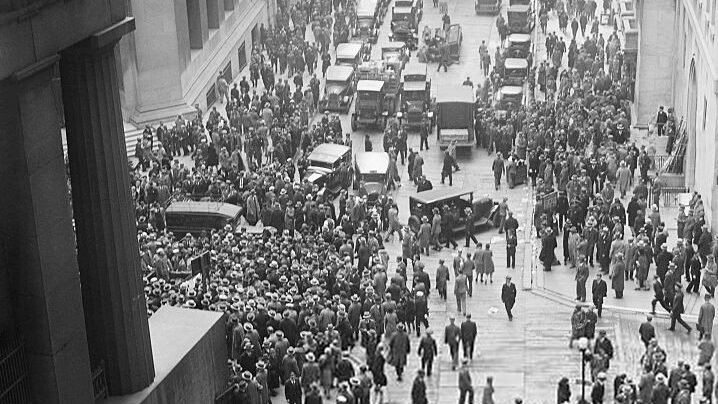
In a crash, the right move is often to do nothing rash: check whether the facts behind your plan changed, not whether the headlines are frightening. Everything is red. Everyone is shouting. I’ve lived through a few of these in ten years of investing, and the worst decisions I’ve seen, including some of my own early ones, were made in the first panicked days.
Not financial advice. This is general education drawn from my own ten years of investing, not personal investment, tax or legal advice. Every number here is a hypothetical example unless a source says otherwise.
Is a falling market telling you to sell?
No. Prices fall for many reasons: interest rates, company earnings, changing expectations, the economy, and plain fear. A falling price doesn’t reliably tell you where the bottom is or when the recovery comes. It’s information, not an instruction.
Why do losses hurt more than they look?
Because the maths isn’t symmetrical. A $10,000 portfolio that drops 25% falls to $7,500. To get back to $10,000 it then needs to grow by about 33.3%, not 25%. A 50% fall needs a 100% gain to recover.
| Loss | Gain needed to recover |
|---|---|
| 10% | 11.1% |
| 20% | 25% |
| 25% | 33.3% |
| 40% | 66.7% |
| 50% | 100% |
| 60% | 150% |
Real history shows both the pain and the patience. In the 2007 to 2009 financial crisis, the S&P 500 fell about 57% from its October 2007 peak to its March 2009 low. In 2020 it fell about 34% in roughly a month, then reached a new high by August. After 1929, the Dow took until 1954 to regain its peak. Recoveries have happened, but on their own schedule, not yours.
Should you sell or buy more in a crash?
There’s no universal answer. A diversified long-term portfolio, backed by a proper emergency fund, may not need any action at all. But some things do change the decision:
- A company whose business is genuinely getting worse.
- Debt you can’t keep up with.
- Money you need soon for something essential.
Lower prices alone don’t make something a bargain. Run the Pylcrow 3-question test again: has what you own, how it makes money, or how you can lose actually changed? The SEC’s advice in Don’t panic, plan it is the same idea, and its asset allocation guide warns that selling everything when markets are down can lock in a big loss.
What do “billions wiped out” headlines actually mean?
Usually, that the quoted market value of shares dropped. It doesn’t mean billions of dollars were literally taken out of bank accounts. Dramatic words aren’t a plan, and they’re not a reason to change yours.
Pylcrow’s take
Ask whether the facts behind your plan changed, not whether the headlines are scary. Your real protection in a crash is set up beforehand: cash for emergencies, a mix you understand (see stocks, bonds, gold and cash), and the patience to let time work. Be smart, be patient, and don’t let one bad month undo years of good habits.
Frequently asked questions
Should I sell my stocks when the market crashes?
Not automatically. Selling in a panic can lock in losses. Review whether your situation or your investments have truly changed.
How long do stock market crashes last?
It varies a lot. The 2020 fall recovered within months; after 1929, the Dow took about 25 years to regain its peak.
Is a crash a good time to buy?
It can be for long-term investors with spare money and a cash buffer, but nobody reliably knows where the bottom is.
How much do I need to gain to recover a 50% loss?
100%. The required gain is the loss divided by one minus the loss.
What should you read next?
This is part 9 of 10 in Pylcrow Money: the real picture, a starter series written from ten years of getting some of this right and some of it wrong.
Next in the series: If I had to learn investing again, this is where I’d start.
The full Pylcrow Money starter series:
- Investing explained: it’s not as complicated as people make it sound
- Before you buy your first stock, read this
- ETFs explained: how one purchase can mean owning hundreds
- The internet is obsessed with making you rich
- Dividends explained: what’s the catch?
- Stocks, bonds, gold and cash: what does each one do?
- Why your first $1,000 matters more than you think
- Passive income isn’t as passive as they tell you
- The market crashed. Do you need to do anything?
- If I had to learn investing again, this is where I’d start
Before you act on any of this
Not financial advice. Pylcrow Money is general educational material, not individual investment, legal or tax advice. All examples are hypothetical and are not a forecast or a promise of returns. Investing involves risk, including losing money. Which funds you can buy, and the fees, taxes, rules and currency costs that apply, depend on where you live and on your own situation. If you are unsure, speak to a licensed adviser in your country. Read our full disclaimer.
By Pylcrow. Last reviewed: November 2, 2026.
Sources: Investor.gov (SEC): Don’t panic, plan it; Investor.gov (SEC): asset allocation and diversification; Federal Reserve History: the Great Recession. Recovery maths: Pylcrow. Top image: crowds on Wall Street after the October 1929 crash, public domain (US Social Security Administration) via Wikimedia Commons.