Channel Zero Candle Cove: The Kids’ Show That Should Never Exist
Smart summary
Channel Zero Candle Cove is the first season of Syfy’s horror anthology, adapted from Kris Straub’s creepypasta about a children’s show that only a few people remember. It turns a half-remembered TV memory into grotesque horror, and season two, No-End House, does the same with a familiar home.
THE UNHOLY ARCHIVE / 07 · DEEP CUTS · EDITORIAL
There is something particularly frightening about remembering a children’s television programme that nobody else seems to remember correctly. Was it a puppet show? Were the characters always that strange? Was the image we recall really broadcast, or did memory supply the most disturbing details later?
That uncertainty is the starting point of Candle Cove, the first season of Syfy’s horror anthology Channel Zero. Created for television by Nick Antosca, the series adapted internet horror stories into self-contained seasons, taking the strange little premises that made them circulate online and building more elaborate emotional worlds around them.
Where did Channel Zero Candle Cove come from?
Kris Straub’s original Candle Cove is a piece of fictional online folklore structured as a conversation between people recalling a childhood programme. The format matters. A reader encounters what looks like ordinary users comparing memories, rather than an authoritative narrator explaining a monster.
Antosca has discussed the challenges of adapting creepypasta, including tracking down authors and obtaining permission. Television cannot simply reproduce the experience of stumbling across a short online conversation. It must decide which characters to follow, how to make the premise sustain multiple episodes and how much of the original ambiguity to preserve.
The resulting six-episode first season uses the remembered programme as one part of a broader story about the past, family and disturbing events associated with childhood. Its fictional television show also has a distinct material texture: puppet characters and an analogue aesthetic that suggest an older form of entertainment.
The Tooth Child and the art of the wrong material
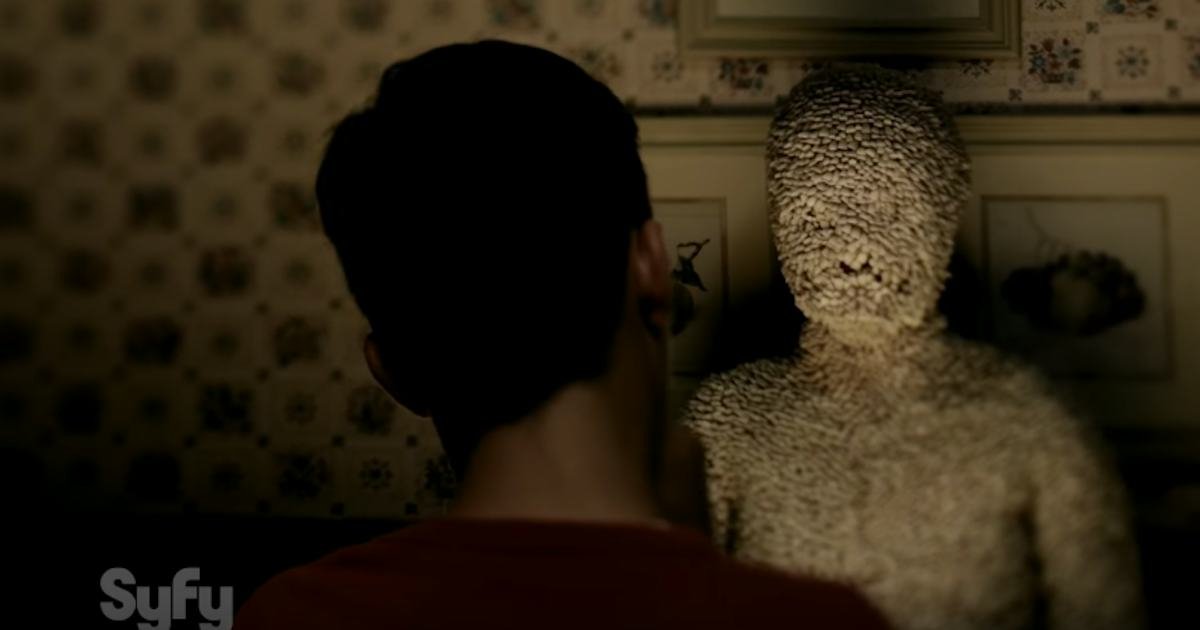
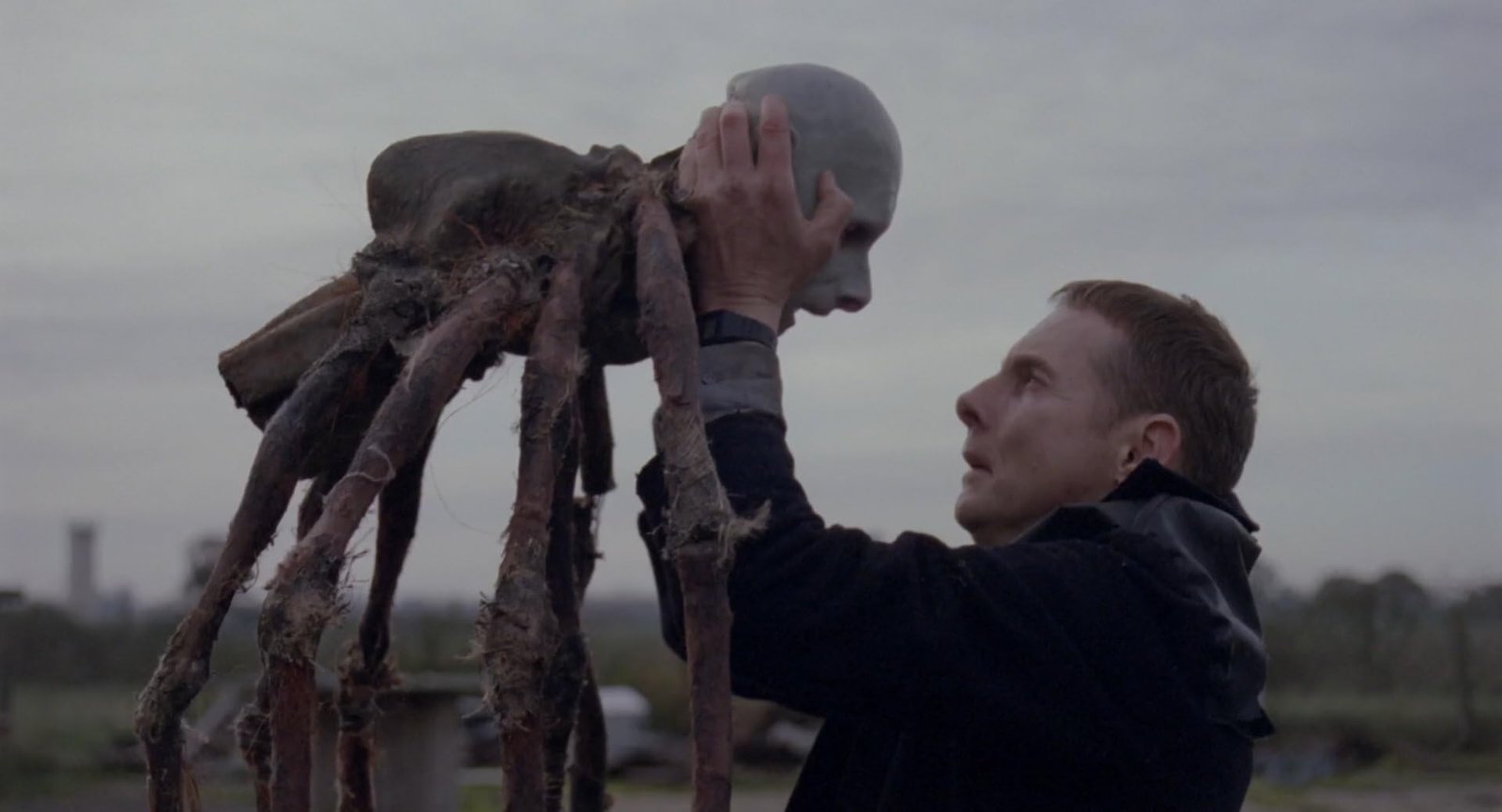
The creature shown in the promotional imagery is an excellent example of a design principle we encountered in Possum. A monster can be frightening because it puts familiar material in an unfamiliar arrangement. Teeth have a particular place in the body and a recognisable scale. A humanoid figure apparently made from them transforms a small, ordinary bodily detail into an all-encompassing surface.
The result is striking without requiring an elaborate mythology to explain the design. It also fits a series about childhood, where losing teeth is an ordinary milestone associated with traditions and rewards. The image destabilises something that would otherwise be familiar.
No-End House: the trap of familiar spaces
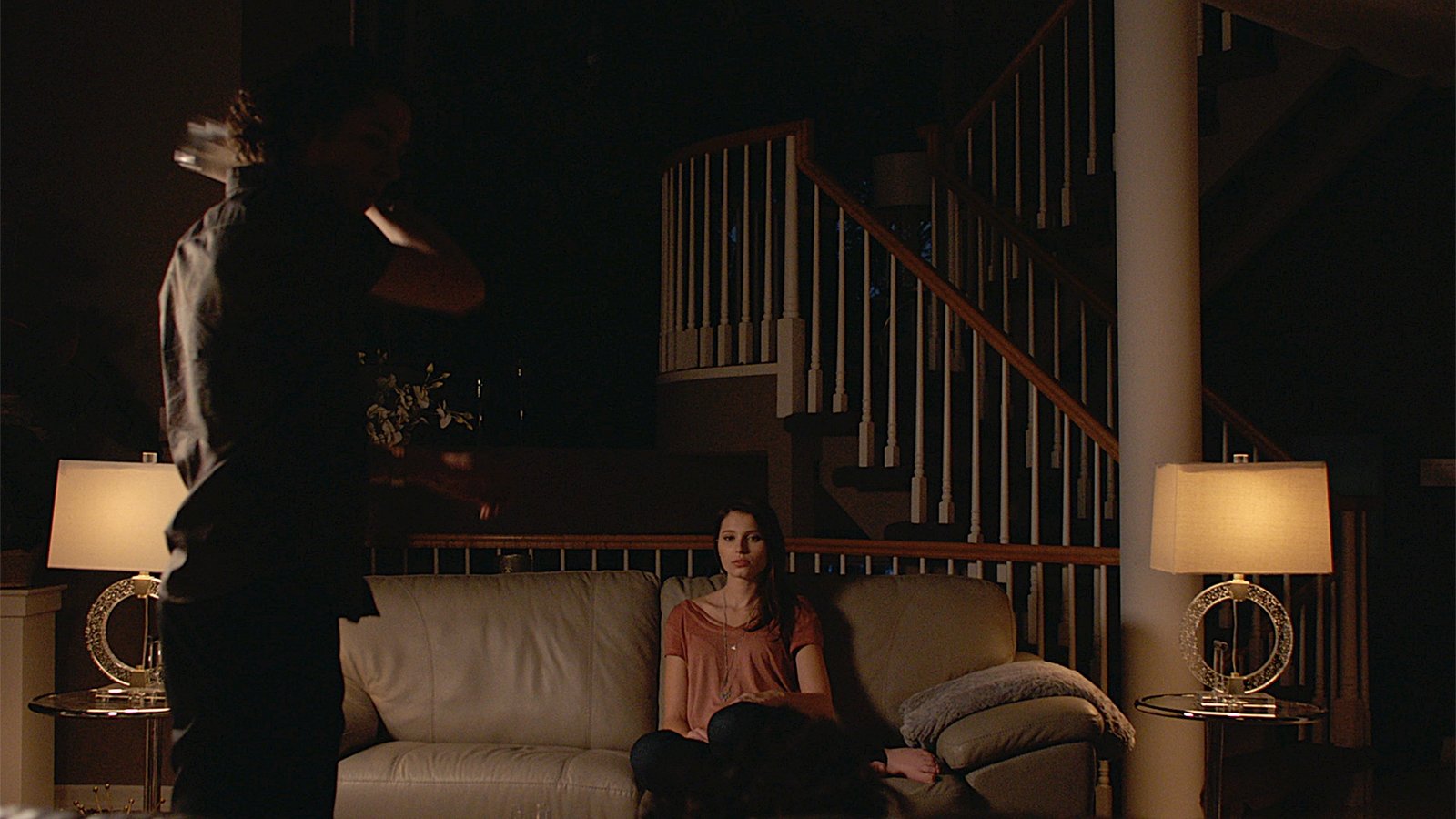
The second season adapts Brian Russell’s No-End House, moving from an unsettling childhood programme to the premise of a mysterious attraction whose rooms become increasingly difficult to comprehend. The shift is important. Instead of investigating an image from the past, the characters enter an environment whose rules cannot be established from the outside.
Antosca’s interviews associate the second season with grief and loss. That context suggests why a normal-looking room can become more troubling than an elaborate haunted-house set. If the horror is connected to what a person remembers or wants back, the frightening environment may look almost exactly like something they would ordinarily find comforting.
That is a stronger conceptual basis for horror than simply making every subsequent room more grotesque. The physical setting becomes a way of putting pressure on a character’s sense of reality and their relationship to memory.
Why an anthology suits internet horror
Many creepypastas are effective precisely because they end before every detail has been explained. Turning such stories into a long-running narrative risks destroying the strange gap that made the original memorable. An anthology offers a useful compromise: each season can develop a different visual language and emotional question without requiring the same monster to survive indefinitely.
Channel Zero also demonstrates that internet horror is not a single aesthetic. A distorted puppet show, a suburban house and a surreal monster can belong to the same tradition without looking alike. Their shared quality is a sense that something embedded in ordinary culture has become unreliable.
Where to start
For readers interested in haunted imagery and childhood nostalgia, Candle Cove is the natural entry point. For viewers more interested in grief, impossible architecture and the uncanny domestic environment, No-End House may be the better match. The seasons are separate stories, though both benefit from the creator’s interest in atmosphere and character.
Based on interviews, promotional footage and critical coverage, the series is particularly worth exploring if you prefer discomfort that accumulates across a story rather than rapid-fire jump scares. Its most interesting achievement is treating the internet’s unsettling little stories as beginnings, not simply instructions for how to create a larger monster.
The PYLCROW Horror Index
Editorial assessment of the film’s reported techniques and subject matter, not a firsthand viewing score.
The Rabbit Hole
- Ghostwatch — television as an unreliable source of reassurance
- Possum — grotesque puppets and the language of childhood
- Skinamarink — the unsettling familiarity of a home