Avatar: The Way of Water Spoiler Review — Neteyam, Payakan and the Price of Family
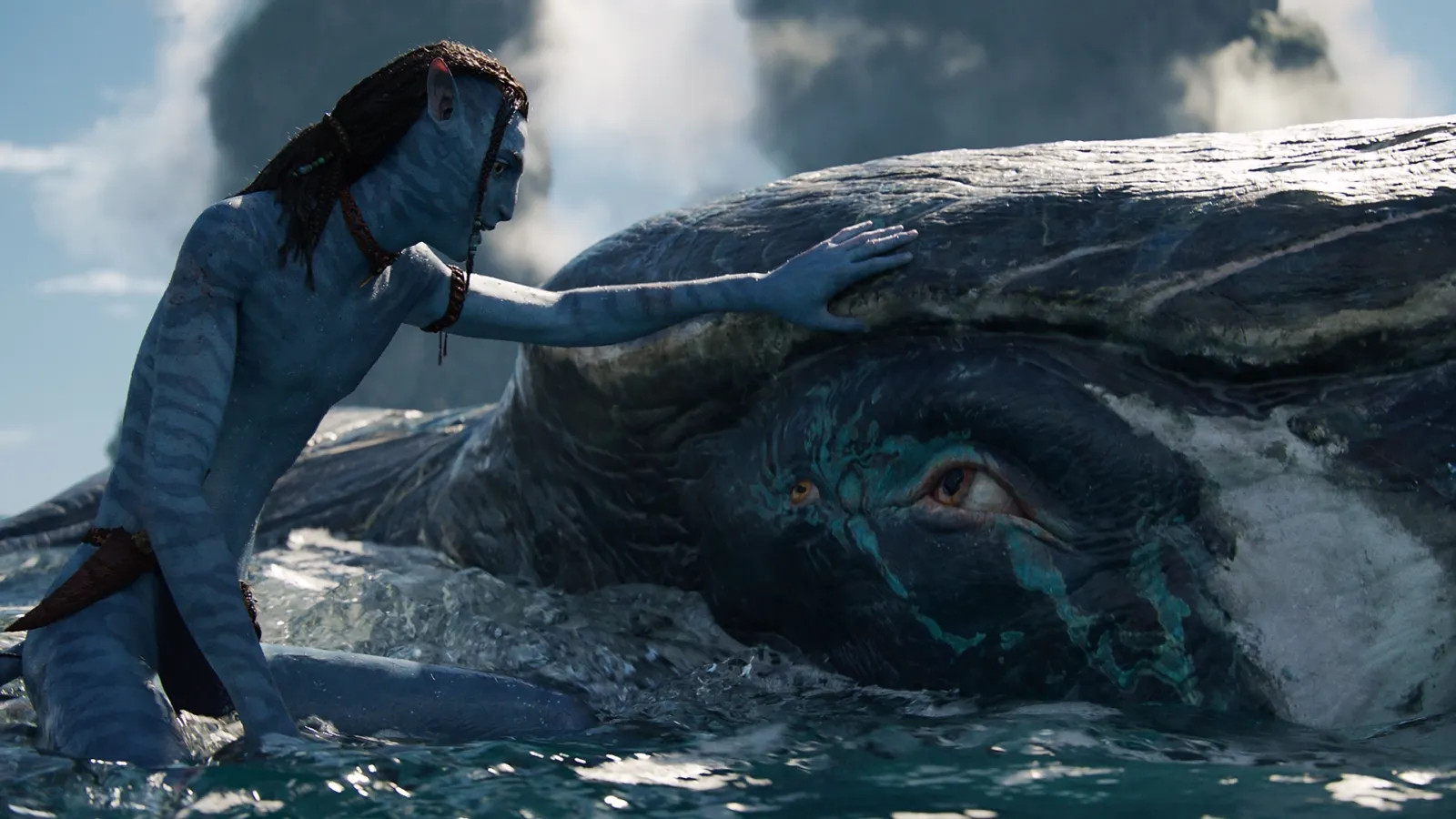
In The Way of Water, James Cameron makes escape look like a sensible parental decision and then spends the rest of the film demonstrating what escape cannot solve. The Sully children carry their parents’ conflict with them, but they are not destined to inherit their parents’ way of understanding Pandora.
Full spoilers for Avatar: The Way of Water (2022). Directed by James Cameron; starring Sam Worthington, Zoe Saldaña, Sigourney Weaver, Stephen Lang, Britain Dalton and Kate Winslet. Official film details.
Explore the James Cameron director page for more films and reviews.
The story: a family in exile
The returning human expedition changes the scale of the conflict. Quaritch is back as a recombinant, carrying the memories of his human predecessor. Jake believes that leaving the forest will protect the people who have sheltered his family. The Metkayina, however, have their own customs and reasons to distrust newcomers.
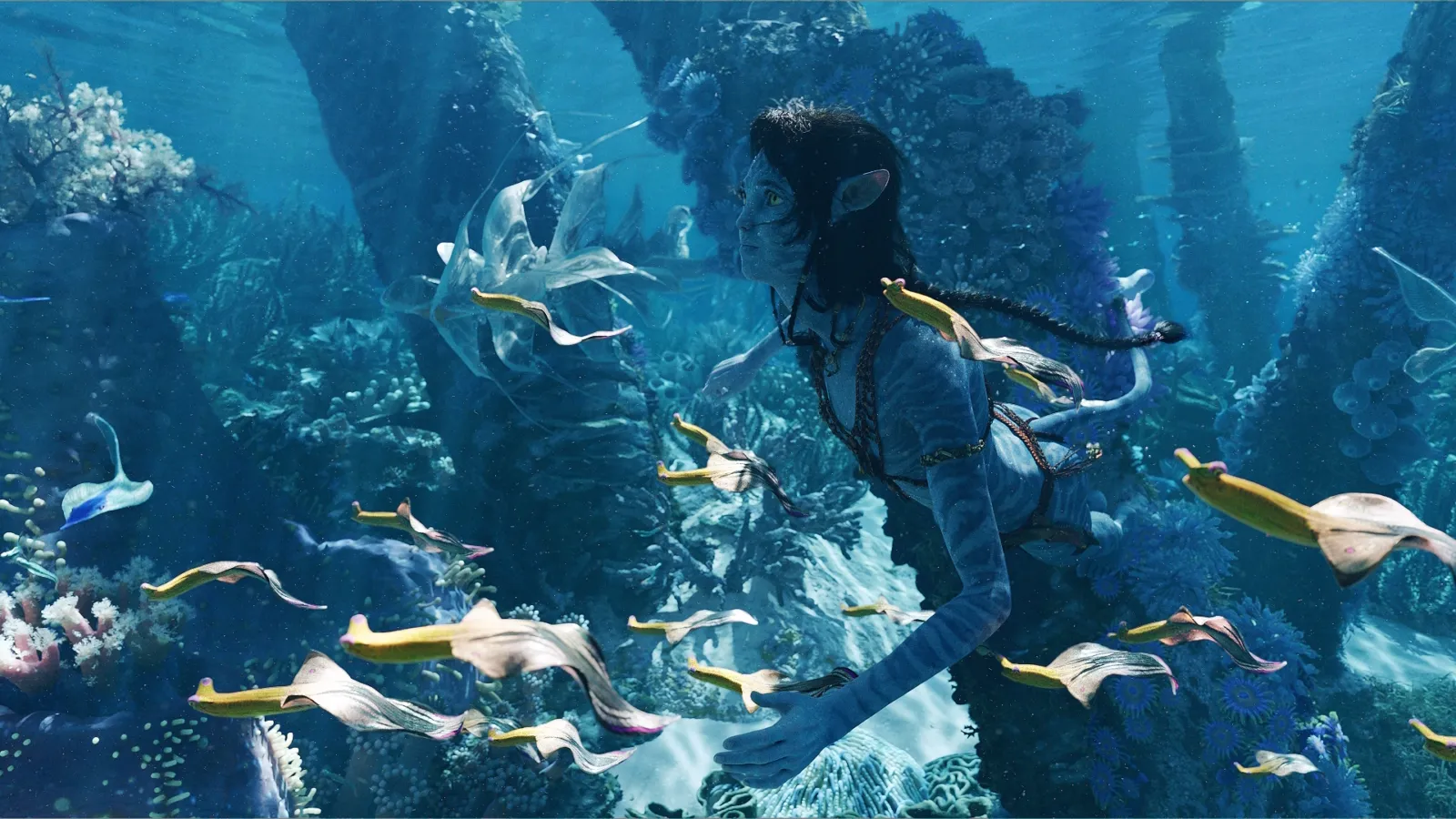
The children’s humiliation during their early lessons is among the film’s most effective material. Jake’s competence from the first film is not automatically transferable to a new community. Nor can his children rely on his status. They have to learn to breathe, swim, communicate and live differently. Cameron makes this process physical rather than merely explaining it in dialogue.
Lo’ak and Payakan are the heart of the film
Lo’ak is repeatedly treated as a child who causes problems, especially when compared with his older brother Neteyam. Payakan, the tulkun separated from its community, carries a similarly painful reputation. Their friendship works because neither can obtain the recognition they want through ordinary social approval. Each sees the other as something more than a record of past mistakes.
The whale-like creatures’ intelligence changes the stakes of the hunting sequences. Cameron is not presenting the sea as a collection of resources: he establishes relationships, histories and forms of communication before showing what exploitation costs. The deliberate pace of the middle section is necessary to that argument, even when it makes the film feel expansive.
Quaritch and Spider: the sequel’s most uncomfortable relationship
Quaritch’s new body raises a compelling question that the film only partially explores: is he the same man or a new being burdened with the previous man’s memories? Spider, the human boy raised around the Na’vi, makes the distinction especially complicated. Quaritch’s apparent attachment to him conflicts with the ruthlessness associated with his former identity.
When Spider saves Quaritch from drowning but chooses to return to the Sullys, he refuses the idea that gratitude or biological origin requires unconditional loyalty. The decision is not an absolution. It leaves the boy with an unresolved attachment that will matter far beyond the immediate battle.
Neteyam’s death and the ending
Neteyam dies following the rescue of his siblings and Spider. His death exposes the limits of Jake’s belief that discipline and retreat will keep the family safe. He has been asking his children to survive a conflict they never chose, while the eldest has repeatedly absorbed the consequences of other people’s choices.
The sinking vessel then turns the children’s lessons into a matter of survival. Lo’ak helps Jake escape by applying what he learned in the reef. The father is no longer the sole source of competence. The ending, with Jake and Neytiri connecting to the memory of Neteyam, makes the loss permanent rather than treating victory as compensation.
The weakness: another variation on the same enemy
Quaritch is a useful bridge between the films, but his pursuit also risks narrowing Pandora into a recurring family siege. The new characters, the reef community and the mystery of Kiri’s abilities are more intriguing than another confrontation with familiar military forces. The film is at its best when it lets these questions develop independently.
Verdict: 8.5/10. More emotionally ambitious than the original, sometimes less focused. The underwater imagery is extraordinary, but the scenes that stay with us are about a boy and an outcast creature, a father learning from his child and a family confronting loss.
Read the complete Avatar retrospective and ranking and our Avatar 4 release-date report.