Avatar Movies Ranked and Reviewed: James Cameron’s Journey Through Pandora
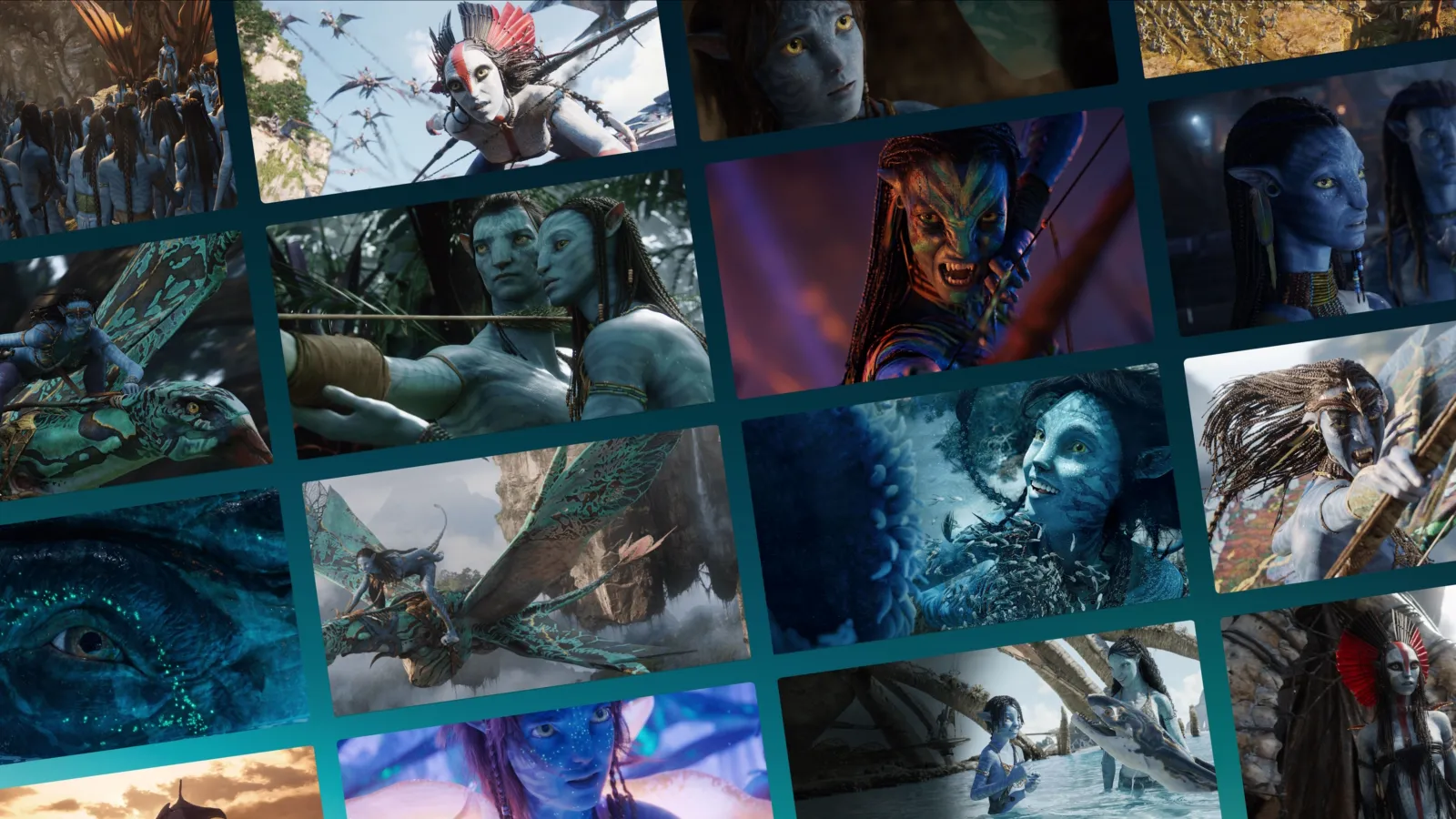
There is an irony at the heart of James Cameron’s Avatar. A franchise that relies on some of the most sophisticated filmmaking technology ever developed is ultimately about the danger of treating living things as resources. Pandora is a digital creation designed to make us care about the natural world.
Across three films, Cameron has taken audiences from the forests to the oceans and into the territory of a clan whose beliefs challenge our assumptions about the Na’vi. Along the way, the saga has become a family drama, an environmental fable and an increasingly complicated examination of belonging. It has also begun to repeat itself.
With two further movies still listed on the official franchise calendar, it is worth returning to what the first three actually accomplished. This retrospective contains plot spoilers for the released films.
1. Avatar (2009): The film that made Pandora feel real
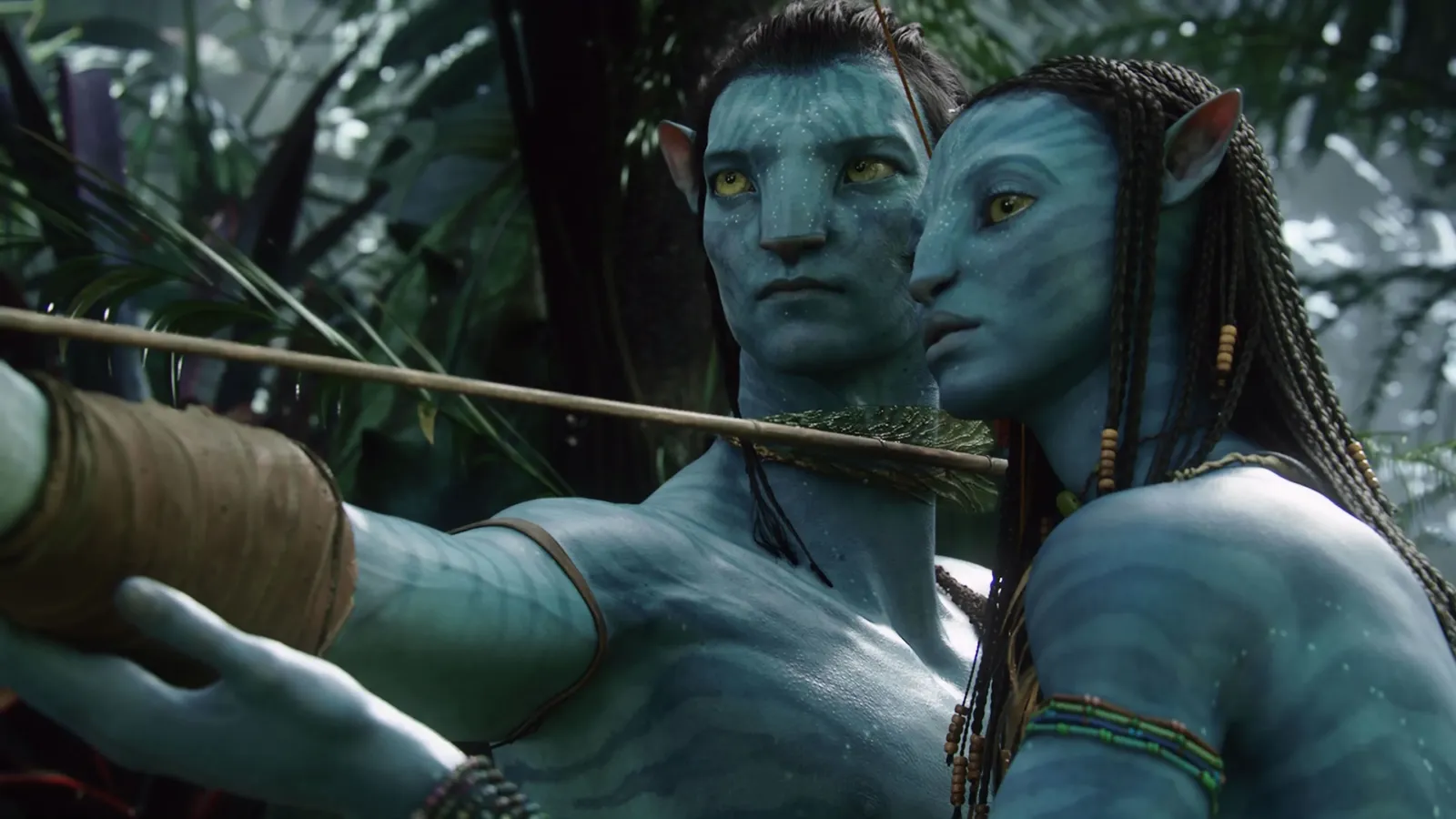
Former Marine Jake Sully travels to Pandora, where humans are extracting a valuable mineral and employing remotely controlled Na’vi bodies to interact with the indigenous population. Jake’s relationship with Neytiri gradually turns a military assignment into a crisis of identity and loyalty.
The story is familiar. The outsider who comes to understand the people he has been sent to manipulate is a recognizable archetype. Cameron’s achievement is making the setting so persuasive that the simplicity of this plot becomes an advantage. Jake’s ignorance gives the audience permission to discover the world at his pace. Every new animal, every unfamiliar ritual and every leap between the floating mountains becomes part of his emotional education.
The first flight on a banshee is especially effective because the scene has a narrative purpose beyond the exhilaration of flying. Jake is earning acceptance and discovering a different relationship to his body. His increasing attachment to Pandora eventually makes a decision that would once have seemed impossible feel inevitable.
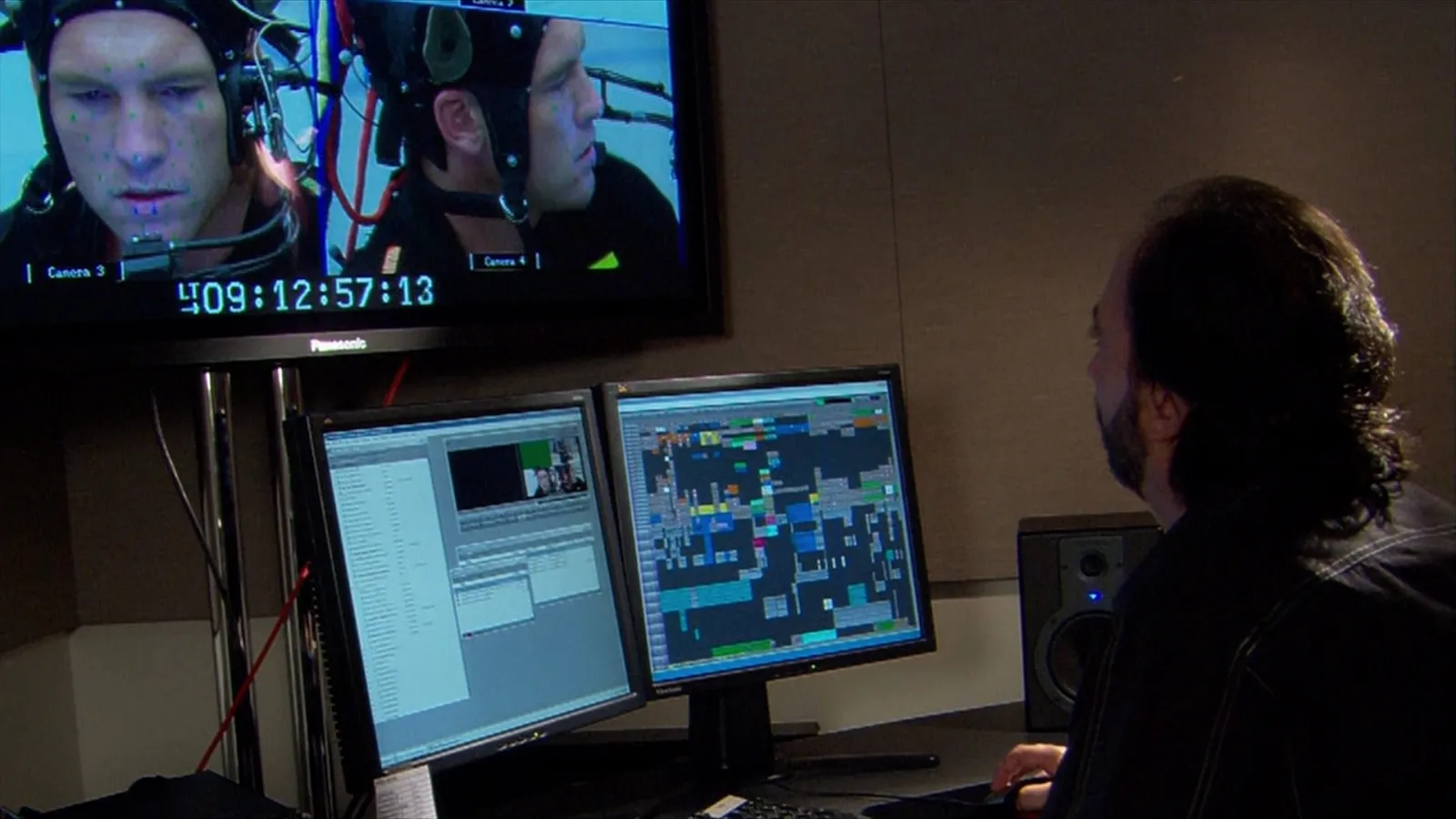
The technology was extraordinary, but the more significant achievement was the marriage of technology and performance. Zoe Saldaña gives Neytiri a sense of humor, impatience, anger and pain that makes her far more than a beautiful visual effect. Her response to the destruction of Hometree makes the environmental stakes personal.
The weakness is the bluntness of its political characterization. The human military and corporate antagonists are often too easy to read, and the outsider-savior structure leaves less room for the Na’vi to define their own story. Yet as a complete, standalone adventure, Avatar remains the most tightly constructed of the three films.
PYLCROW editorial rating: 9/10. Best for world-building, narrative clarity and the thrill of discovering Pandora. Official film page.
2. Avatar: The Way of Water (2022): When the spectacle becomes a family story
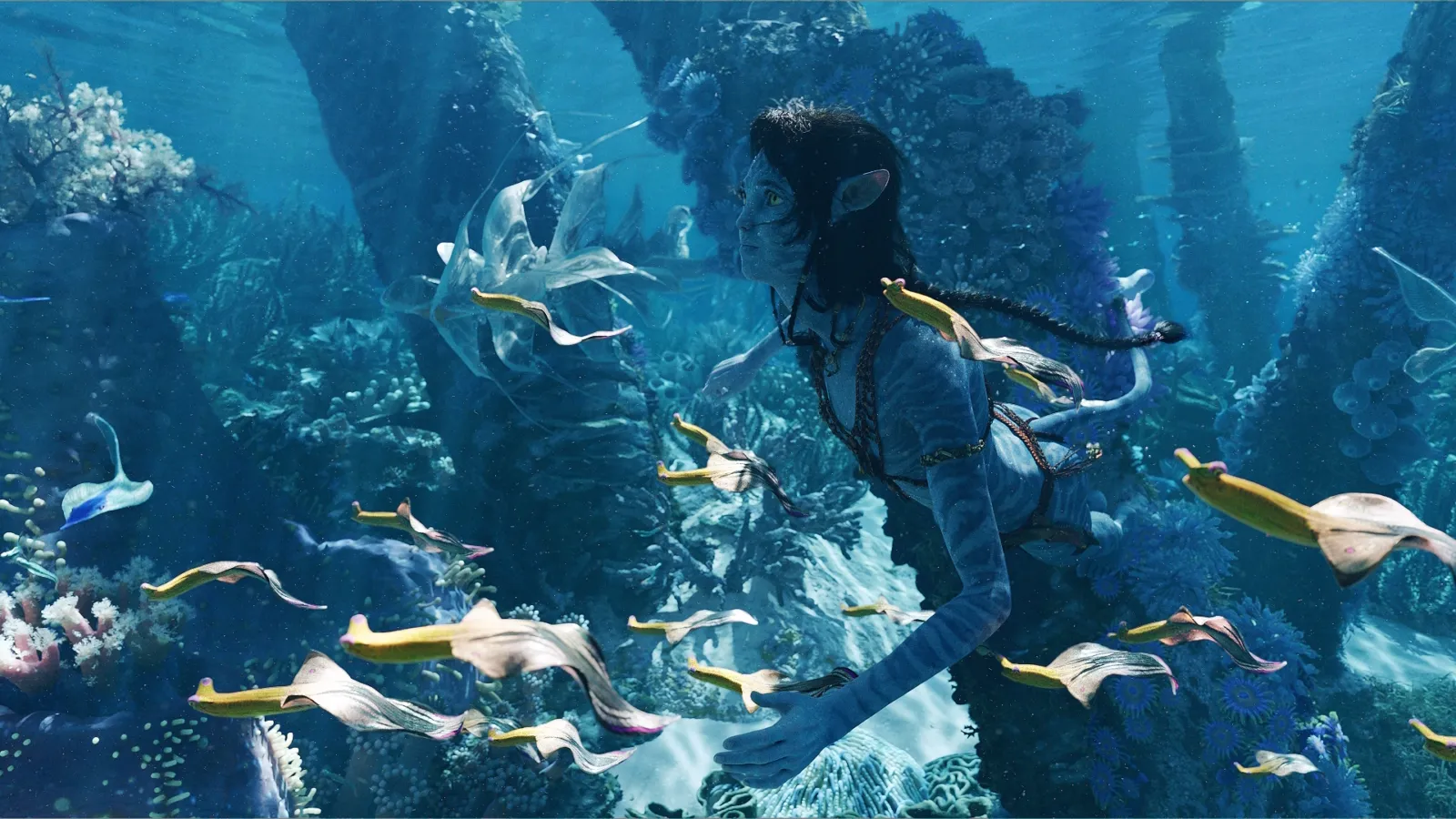
More than a decade after the first film, Jake and Neytiri are parents. When human forces return and Quaritch reappears in a recombinant Na’vi body, the Sully family seeks refuge among the ocean-dwelling Metkayina. The change of environment forces the children to adapt to unfamiliar social rules and physical skills.
At its best, The Way of Water is unusually patient for a modern blockbuster. Cameron is prepared to spend time on swimming, breathing and learning. These scenes may look like detours from the central conflict, but they establish the emotional geography of the final act. We understand why the reef matters before it comes under threat.
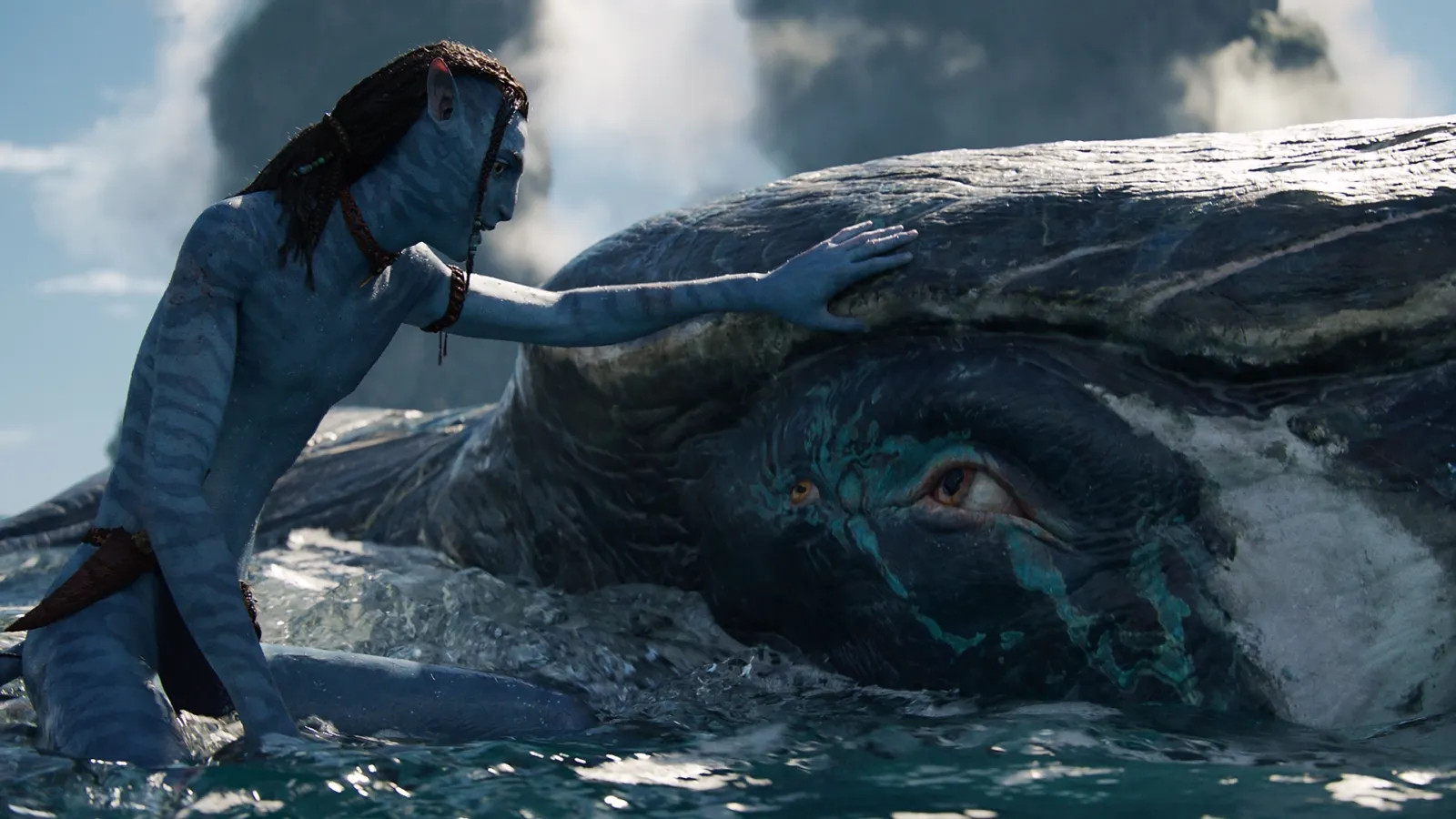
Lo’ak’s friendship with Payakan is the strongest expression of that approach. Both are outsiders judged by their communities. Their connection is founded on recognition rather than spectacle, and it makes the tulkun more than a striking creature design. Kiri’s intuitive relationship with Pandora similarly suggests that the next generation might understand their world differently from Jake.
The movie’s central weakness is its use of Quaritch. Bringing back the same adversary helps establish continuity, but it also makes the sequel resemble another iteration of the previous conflict. The recombinant’s relationship with Spider is more interesting than the vendetta itself. It offers a path toward exploring fatherhood, loyalty and whether a person is defined by inherited memories.
The final battle makes excellent use of Cameron’s talent for spatially coherent action and sinking environments. Its emotional consequence is the loss of Neteyam. The event transforms what initially looks like another story of escape into the beginning of a more difficult family journey.
PYLCROW editorial rating: 8.5/10. Best for visual craft, family relationships and emotional immersion. Critical and audience reception.
3. Avatar: Fire and Ash (2025): The most interesting ideas, but a familiar shape
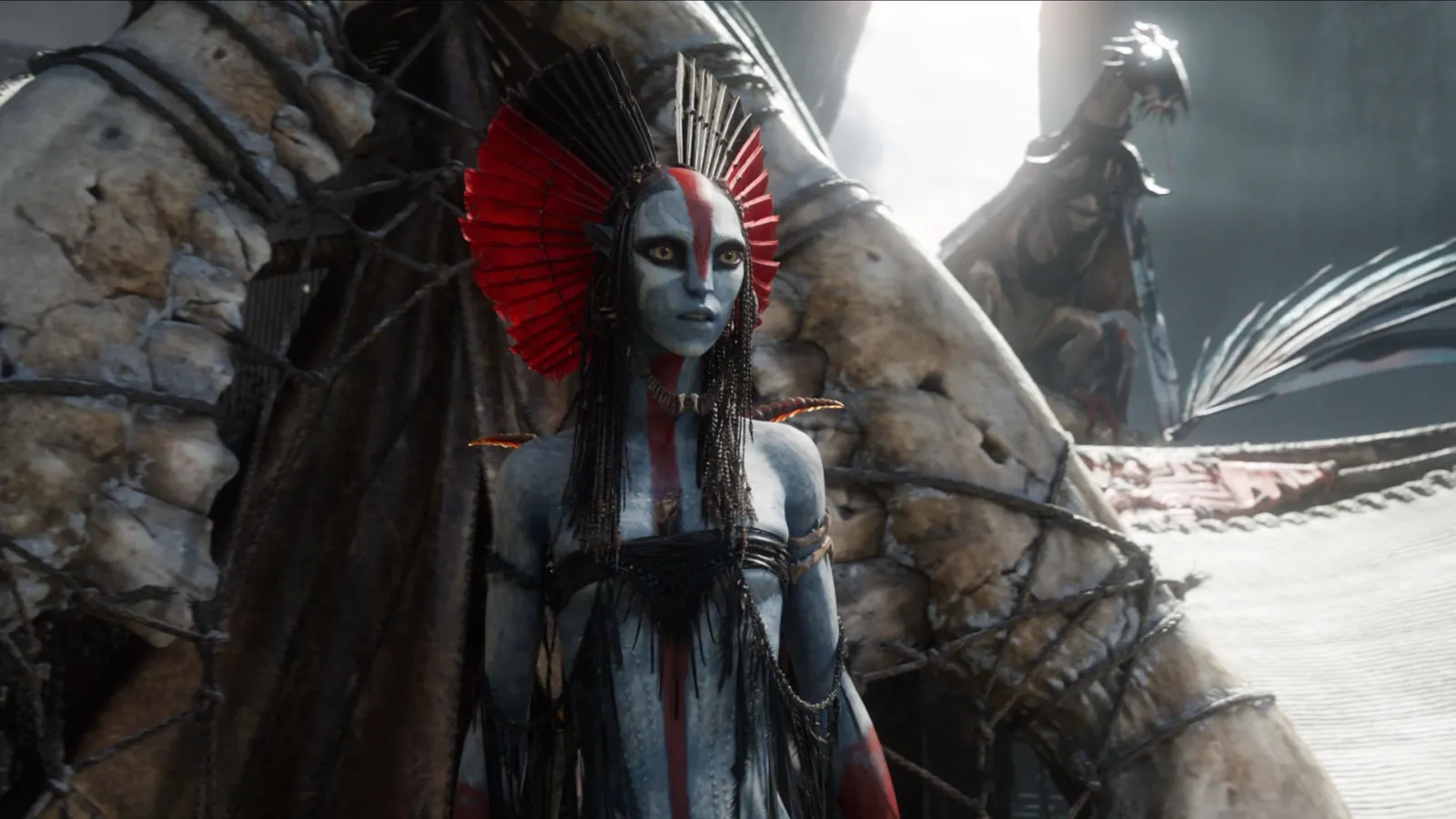
Fire and Ash begins with the Sully family dealing with Neteyam’s death. Grief is not something everyone experiences in the same way, and that makes the tension within the family more compelling than a simple mission to defeat its enemies. The story also introduces Varang, played by Oona Chaplin, and the Mangkwan clan.
Varang’s significance is that she challenges the assumption that Pandora’s inhabitants all share one spiritual and moral worldview. Her clan’s experience of catastrophe and its rejection of Eywa complicate the environmental mythology established in the previous films. A civilization becomes more believable when its people disagree about what their world means.
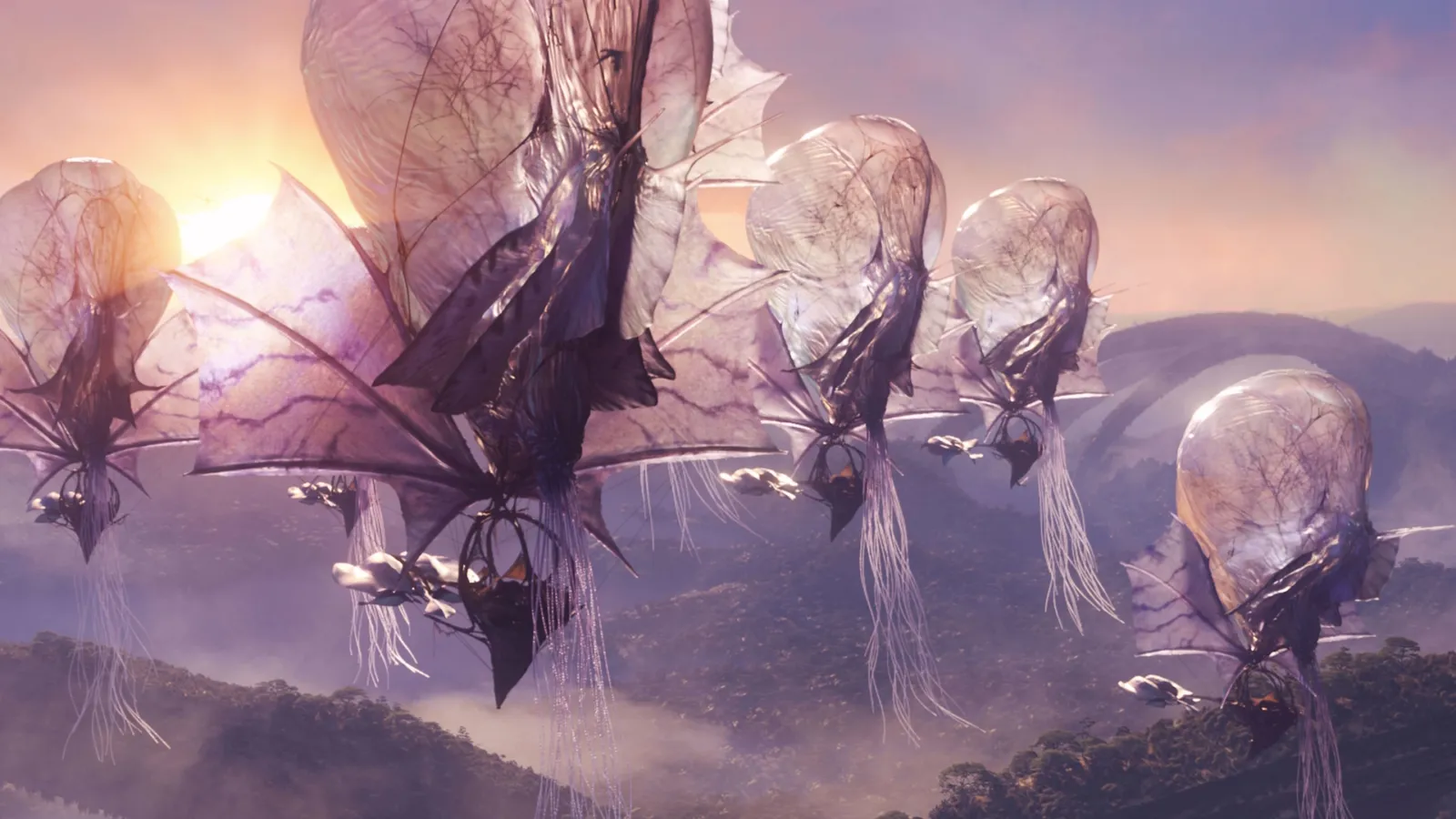
The Wind Traders further extend that sense of cultural diversity. Their magnificent airborne vessels demonstrate that Cameron can still create images that feel unfamiliar even within a series known for visual invention. The film’s Oscar for Best Visual Effects, noted in Disney’s franchise guide, recognizes an achievement that is easy to take for granted after so many years of digital spectacle.
But Fire and Ash is also where the architecture of the saga begins to feel restrictive. The Sullys face threats, separation, rescue and renewed confrontation in ways that echo earlier installments. The issue is less the length of the film than the proportion of its running time devoted to dramatic patterns we already understand. Varang and the family’s internal disagreements are precisely the material that deserves more attention.
The relationship between Neytiri and Spider is especially revealing because it raises a question the franchise cannot resolve by defeating an army: can someone accept an individual whose origins remind them of everything they have lost? That tension is more valuable to the next two films than any escalation in military hardware.
PYLCROW editorial rating: 7.5/10. Best for expanding Na’vi culture and exploring grief, but the least satisfying structurally. Critical and audience reception.
Read the full standalone Avatar spoiler reviews
Explore the James Cameron director page.
James Cameron’s greatest achievement isn’t the CGI
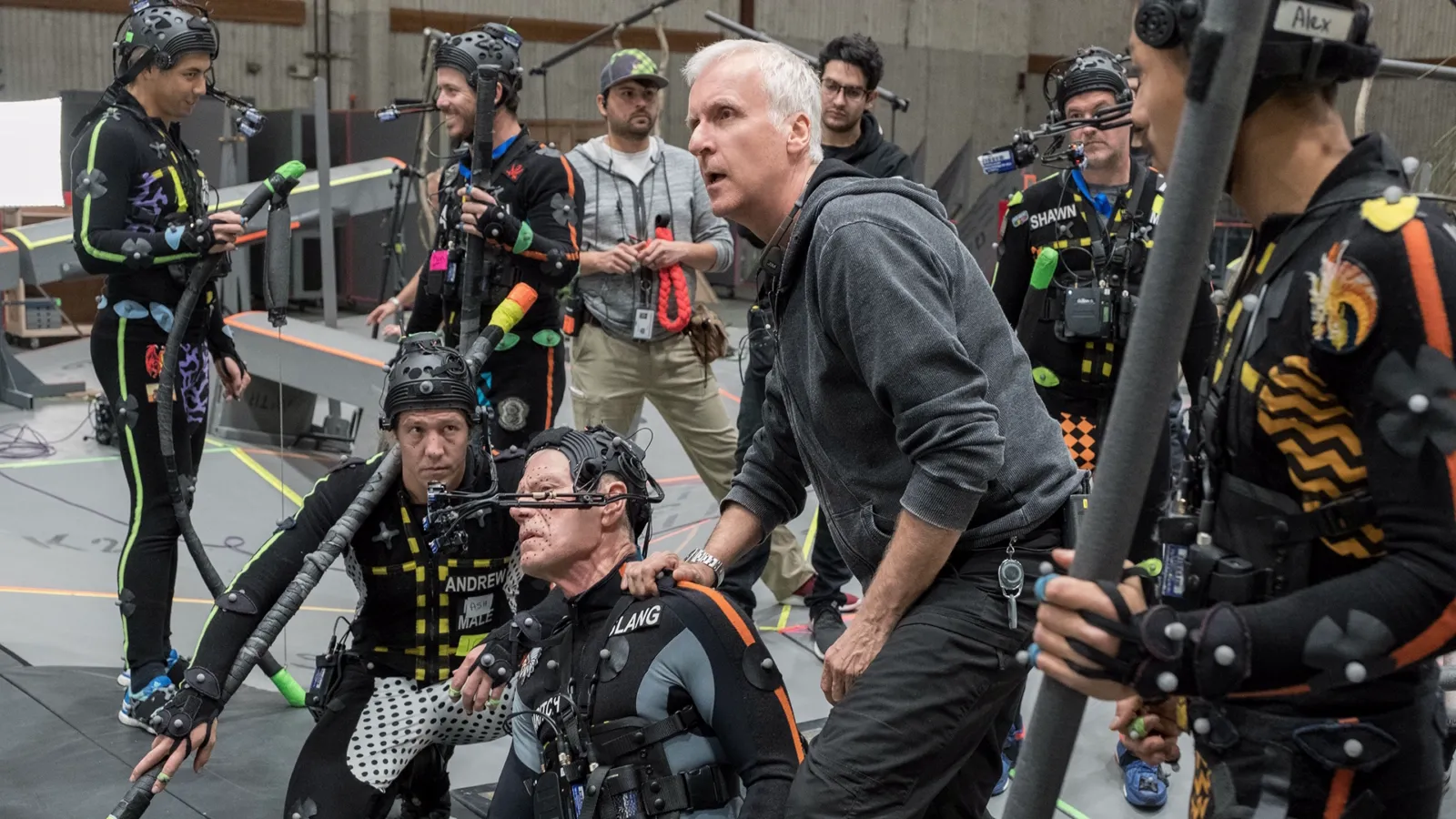
It is tempting to measure the Avatar films purely by the advances in digital water, skin, facial animation and 3D presentation. But an effect is only as memorable as what it allows the filmmaker to express. The banshee flight represents belonging; the underwater sequences represent adaptation; the destruction of a home or the death of a child gives the spectacle consequence.
Cameron’s background in films such as The Abyss, Aliens and Titanic is visible in the way he combines mechanical environments, clear action geography and intimate human relationships. Avatar gives these interests a shared universe. It also reveals a limitation: as the world grows bigger, the stories must grow more complex rather than just more expensive.
Every Avatar movie ranked
| Rank | Film | PYLCROW rating | RT critics |
|---|---|---|---|
| 1 | Avatar (2009) | 9/10 | 81% |
| 2 | The Way of Water (2022) | 8.5/10 | 76% |
| 3 | Fire and Ash (2025) | 7.5/10 | 66% |
Editorial scores reflect the analysis in this retrospective, not a poll or aggregated critic score. Rotten Tomatoes critics figures checked November 26, 2026: Avatar, The Way of Water, and Fire and Ash.
Related news: Avatar 4 remains on Disney’s 2029 release slate.
Where the franchise needs to go next
Avatar 4 does not need to introduce a bigger animal, a more elaborate machine or another version of the same final battle. It needs to trust the characters enough to let their beliefs come into conflict without an external enemy dictating the outcome.
We would like to see Lo’ak make consequential decisions independent of Jake, Kiri’s connection to Eywa become more than an extraordinary ability, and Spider’s place in both societies explored without reducing him to an instrument of someone else’s redemption. We also want to understand the Na’vi cultures on their own terms, including when their beliefs are incompatible.
The greatest promise of Pandora is that it feels like a world capable of existing when Jake Sully is not on screen. The next films should prove it.
All three released films are listed on Disney+, subject to regional availability. For a closer look at the filmmaking process, the service also lists the documentary Fire and Water: Making the Avatar Films.
Retrospective analysis based on the films’ narratives, official studio materials and critical reception; not a claim of a new firsthand screening. Promotional stills sourced from Disney+ and credited to 20th Century Studios.