Halt and Catch Fire Is a Tech Drama About People Who Cannot Stop Building
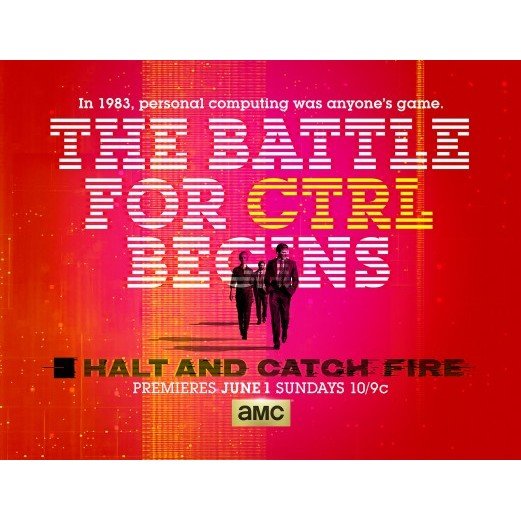
The personal computer revolution is usually retold as a parade of inventors and billionaires. Halt and Catch Fire makes a far more interesting television drama by looking at the people who build something, fail to become legends and begin building again.
The AMC series, which aired from 2014 to 2017, starts around the IBM-compatible computer boom before expanding into online communities and the emerging internet. Its best trick is to make technology a language for longing: for ownership, recognition, connection and the belief that the next invention will finally make someone whole.
A show about ambition that understands failure
Joe, Gordon, Cameron and Donna are not interchangeable visionary heroes. They want different things from the same technological moment, and those competing desires make their collaborations combustible. A new product is never just a product; it is also an argument about who deserves credit, who gets to choose the direction and who is left maintaining the work after the excitement fades.
The show becomes stronger as it broadens beyond one founder mythology. It recognizes that engineering, programming, design, operations and relationships all help make a technology useful. The person delivering the dramatic pitch is not always the person making the future possible.
Why the period setting feels modern
Old monitors and beige computer cases are easy nostalgia props. Here, hardware limitations create genuine dramatic choices. Scarcity of memory, distribution channels, competitive timing and the cost of a mistake shape what can be attempted. Those constraints turn technical decisions into human conflicts.
The broader questions are still current. Is a platform valuable because it works or because it connects people? How much of a person’s identity should be invested in a company? And how many times can you reinvent yourself before reinvention becomes another form of avoidance?
Its real subject is the cost of making things
The later seasons become more emotionally ambitious because the show has spent time establishing what its characters sacrifice. Innovation stops being a triumphal montage and becomes a process full of compromises. The series is affectionate toward builders without pretending they are always admirable.
It can take time to find its stride, particularly if its first-season corporate rivalries feel familiar. The reward is a drama that grows more humane as it goes, precisely because it learns to care about more than the person claiming to have the biggest idea.
Where to begin
Give the first season a fair hearing, but watch far enough to see how the focus moves among the ensemble. Pay attention to the labor that happens off the stage, away from pitches and demonstrations.
Follow the Rabbit Hole
See also Eliza Asked an Uncomfortable AI Question Before Everyone Else and Lodge 49 Finds Mystery Inside a Failing American Dream: the comparison reveals a different way to approach similar creative territory.
References: AMC original series announcement. Independent editorial analysis.