In Fabric Makes a Red Dress the Center of a Nightmare
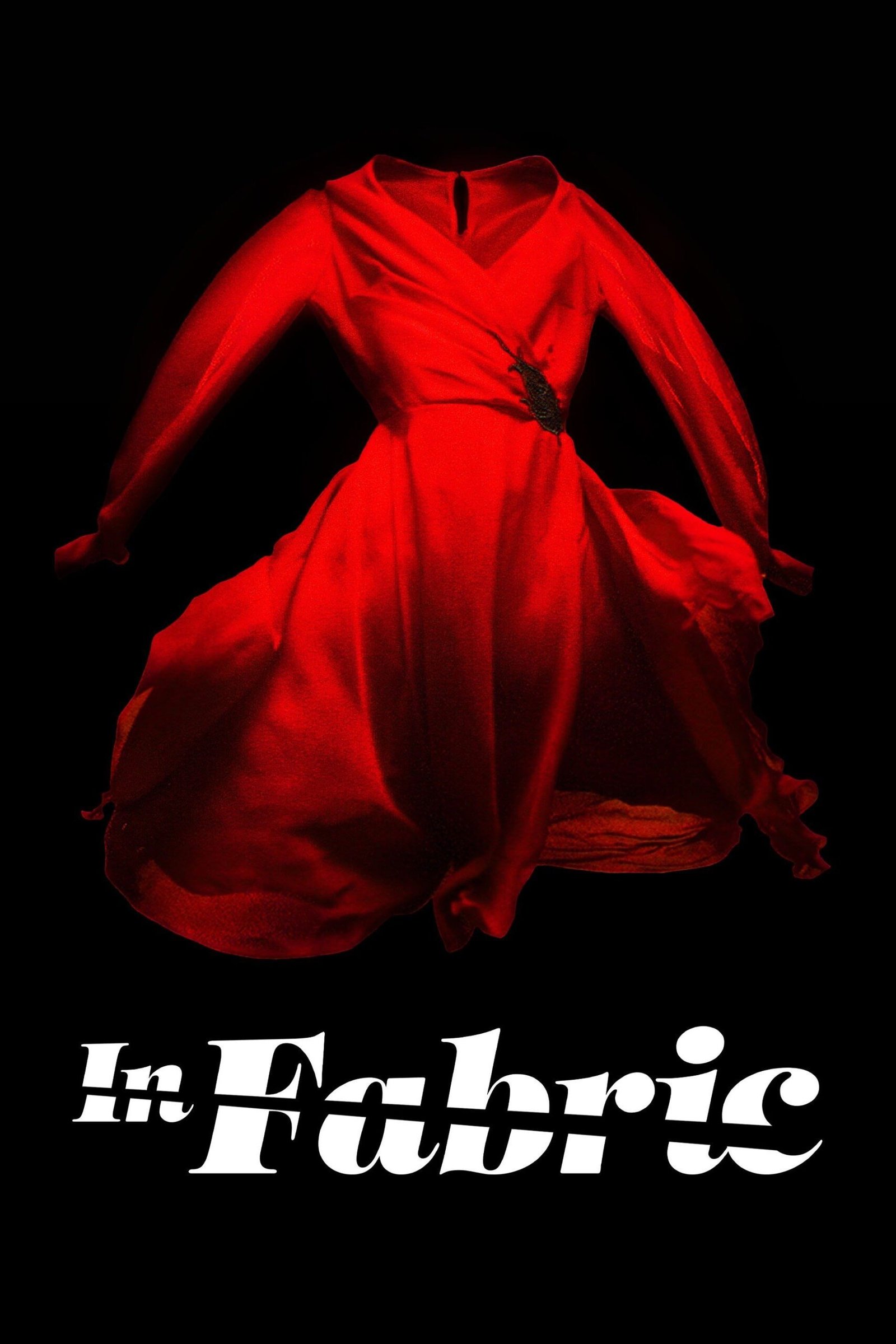
A red dress may be the most frightening sales item in movie history. Peter Strickland’s In Fabric begins with the promise of personal transformation through shopping, then asks what happens when the thing we purchase seems to have a desire of its own.
The 2018 film combines fashion, surreal comedy and supernatural horror. Its eccentric department store is central to the argument: the scene of consumption is already filled with rituals, scripted language and promises that sound like spells.
A sale is a kind of performance
Retailers routinely ask customers to imagine a different version of themselves. An item is not only useful; it supposedly offers confidence, attractiveness or entry into a new life. Strickland exaggerates that familiar promise until the selling process becomes a sinister ceremony.
The store employees sound as though they are speaking in a language shared only by their institution. The effect is funny and unnerving because official-sounding language can make absurd procedures seem normal. The movie understands that consumer culture is already theatrical before the supernatural enters.
Why texture matters
Fabric has its own movement, weight and physical intimacy. Clothes touch the body and affect how it is presented to the world. By making the garment the narrative center, Strickland turns an ordinary material into an object that seems to reverse the relationship between owner and possession.
The visual and sound design contribute to that inversion. The dress is alluring enough to make desire plausible, but its beauty becomes less reassuring as the story unfolds. This is a horror film about the discomfort of wanting something that may be indifferent to us.
What its absurdity is doing
Some viewers will find the escalation too strange or the tonal mix of comedy and cruelty irritating. That is not an invalid response. A film built on artificiality risks becoming so mannered that its people disappear behind its own cleverness.
Yet the method produces a sharp question: are people really in control of their purchases when so much of consumption depends on stories told about those objects? The haunted dress makes that dependence absurdly literal.
Where to begin
Pay attention to how the shop assistants communicate and how mundane transactions are staged like rituals. For another surreal critique of ordinary systems, visit Problemista.
Film reference: A24. Independent editorial analysis.