The Original Utopia Is a Conspiracy Thriller That Looks Like Pop Art
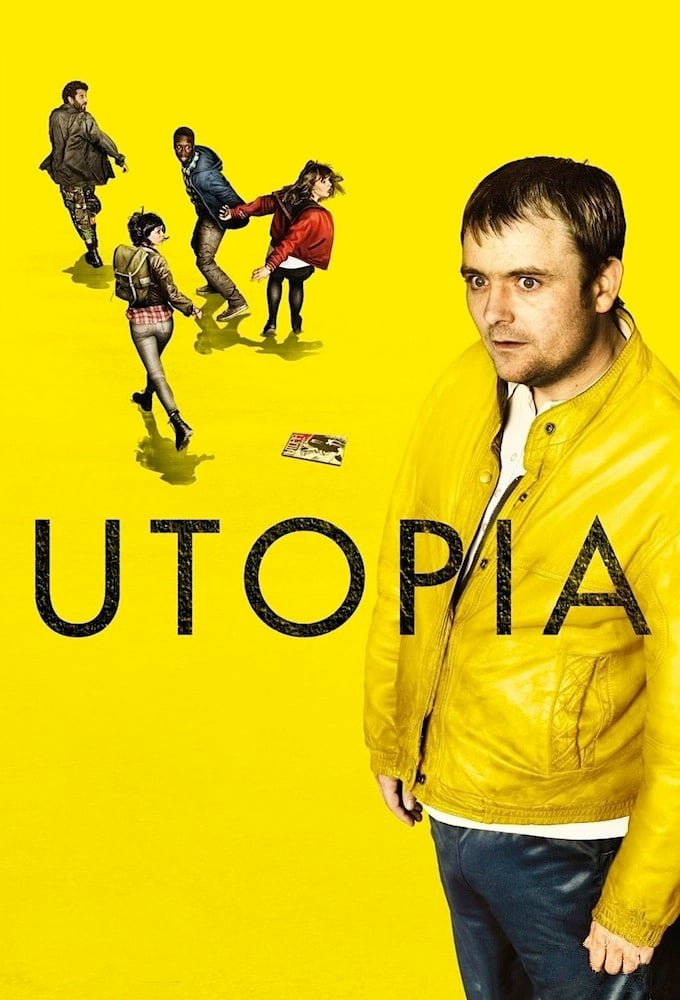
The original British Utopia begins with a comic-book manuscript and soon makes a terrifying proposition: what if the people who understand the conspiracy are not powerful enough to survive knowing it? Its world is bright yellow, acid green and clinical blue, yet the people moving through those colors are in genuine danger.
Created by Dennis Kelly and broadcast by Channel 4 beginning in 2013, this is not simply a thriller about uncovering a secret. It is about information becoming physically dangerous, and about what happens when a supposedly rational plan treats human lives like variables on a spreadsheet.
Color does not mean safety
Most conspiracy dramas use gray corridors, muted shadows and grainy surveillance footage. Utopia does the opposite. Its highly controlled composition and vivid palette make even a quiet meeting feel uncanny. The unnatural beauty exposes a disturbing mismatch: the frame is elegant while the behavior inside it is brutal.
That design is a storytelling instrument. You know the image has been carefully constructed, which becomes a metaphor for the plot’s own manufactured narratives. Order on the surface does not prove honesty underneath.
The conspiracy is frightening because it argues back
A weaker thriller makes its villains evil for the pleasure of it. Utopia gives some antagonists coherent, unsettling justifications. Those arguments should not be mistaken for moral endorsements. Their power lies in forcing the audience to examine the moment abstract calculations become permission to harm people.
The series sometimes pushes its extremity so far that characterization suffers. Its violence is a serious barrier for some viewers, and shock alone is not depth. But the most effective scenes make the terror feel systemic rather than dependent on a single theatrical mastermind.
Why the British original remains distinctive
The show treats paranoia as an aesthetic experience. Silence, unusual framing and an eerie score keep suggesting that the world is functioning according to rules inaccessible to its protagonists. As the mystery expands, the characters are pressured to decide who can be trusted without ever receiving enough certainty.
The unfinished nature of the original two-season run limits closure, and the later American adaptation is a separate work. Still, Kelly’s version is compelling because it understands that an answer may not offer relief. Sometimes the revelation only clarifies how small a person is within the machinery.
Where to begin
Begin with the Channel 4 original, not the American remake. Note the color choices and what they make you anticipate before anyone speaks. Content warning: unusually graphic violence.
Follow the Rabbit Hole
See also Under the Silver Lake Turns Los Angeles Into a Conspiracy Map and The Kingdom Is a Hospital Ghost Story With a Very Strange Sense of Humor: the comparison reveals a different way to approach similar creative territory.
References: Channel 4 original Utopia information. Independent editorial analysis.