Cyberpunk 2077 Was Broken. Then It Got Better. Can Reviews Change?
THE REVIEW OBSESSION · PART 6 OF 7
Cyberpunk 2077 was a mess at launch. Years later, it became a far better game. So which review is right?
This is more than a debate about one troubled release. It’s about what criticism is actually supposed to describe. A movie released in theaters usually stays substantially the same after its opening. A game can transform through patches, rewritten systems, performance improvements and major expansions. That creates an awkward truth: the most accurate review of a launch version may eventually become the worst buying guide for a newcomer.
Let’s be clear about the beginning. Cyberpunk’s December 2020 launch gave players legitimate reasons to be angry. On older consoles, performance and stability were serious problems. In an unusually dramatic step, Sony removed the game from the PlayStation Store in December 2020. That decision was documented by CD Projekt itself. Players weren’t inventing the problems because they wanted to be negative.
The launch review had a job — and that job mattered
Imagine you bought the game on day one because a trailer looked spectacular. You sit down, encounter crashes, see the illusion break and discover that the product you paid for cannot reliably deliver the experience being advertised. At that moment, a glowing review of how beautiful Night City might eventually become is not very useful.
Critics have a responsibility to describe the version that people can actually buy. They should disclose the platform, whether the game was patched and what technical issues affected play. If one version performs poorly, that cannot be hidden by presenting the strongest possible PC footage as the universal experience.
Some players understandably swore they would never return. They did not owe CD Projekt another chance, and they certainly weren’t obligated to spend extra money just because later updates arrived. Trust is part of a product’s value too.
Then the game materially changed
The recovery wasn’t merely a marketing campaign. On September 21, 2023, the official Update 2.0 overhauled major systems, including perks, cyberware, combat and policing. This wasn’t a minor bug-fix list. It changed how the game played and how builds worked.
That update arrived alongside the Phantom Liberty expansion, which added a substantial new storyline. PC Gamer described the improved experience as the role-playing game the world and characters deserved. VGC also noted how much stronger the game had become while lamenting what might have been had it launched at that standard.
Those later reviews don’t invalidate the originals. They are evaluating a materially different version. A person who played on an older console in 2020 and a person who first entered Night City on a current system after Update 2.0 are not simply disagreeing about the same thing.
Why the comeback story can become its own distortion
Redemption narratives are seductive. Everyone likes a comeback. A disaster becomes a lesson about perseverance, the team works hard, the players return and everybody celebrates. There’s real satisfaction in watching a creative project reach its potential. But there’s an obvious danger: the happy ending can make us forget who paid for the unfinished beginning.
A company shouldn’t receive extra credit merely for bringing a paid product closer to its original promise. Improvements deserve recognition. So do the original failures. Both facts should be visible in the story we tell years later.
There’s a difference between this game became good and its launch was secretly fine all along. Only the first statement makes sense. The second rewrites the experience of people who were disappointed when they spent their money.
A review needs a timestamp, not a tombstone
What should reviewers do when a game changes radically? At minimum, link to a current assessment. A review can preserve its launch verdict while adding a dated note describing significant updates. Better still, an outlet can publish a new review of the current build and link the two together.
That practice doesn’t weaken criticism. It improves it. It tells readers precisely what the reviewer played and which version a recommendation describes. It avoids the peculiar situation where a perfectly fair 2020 warning gets republished as if it describes the 2026 experience.
The same principle applies beyond games. Television shows can find their feet after a weak season. A musician can follow a terrible album with something extraordinary. An actor can make one awful franchise installment and later deliver a career-best performance. A good critic needs the freedom to change position when the work changes.
Criticism isn’t a lifetime sentence
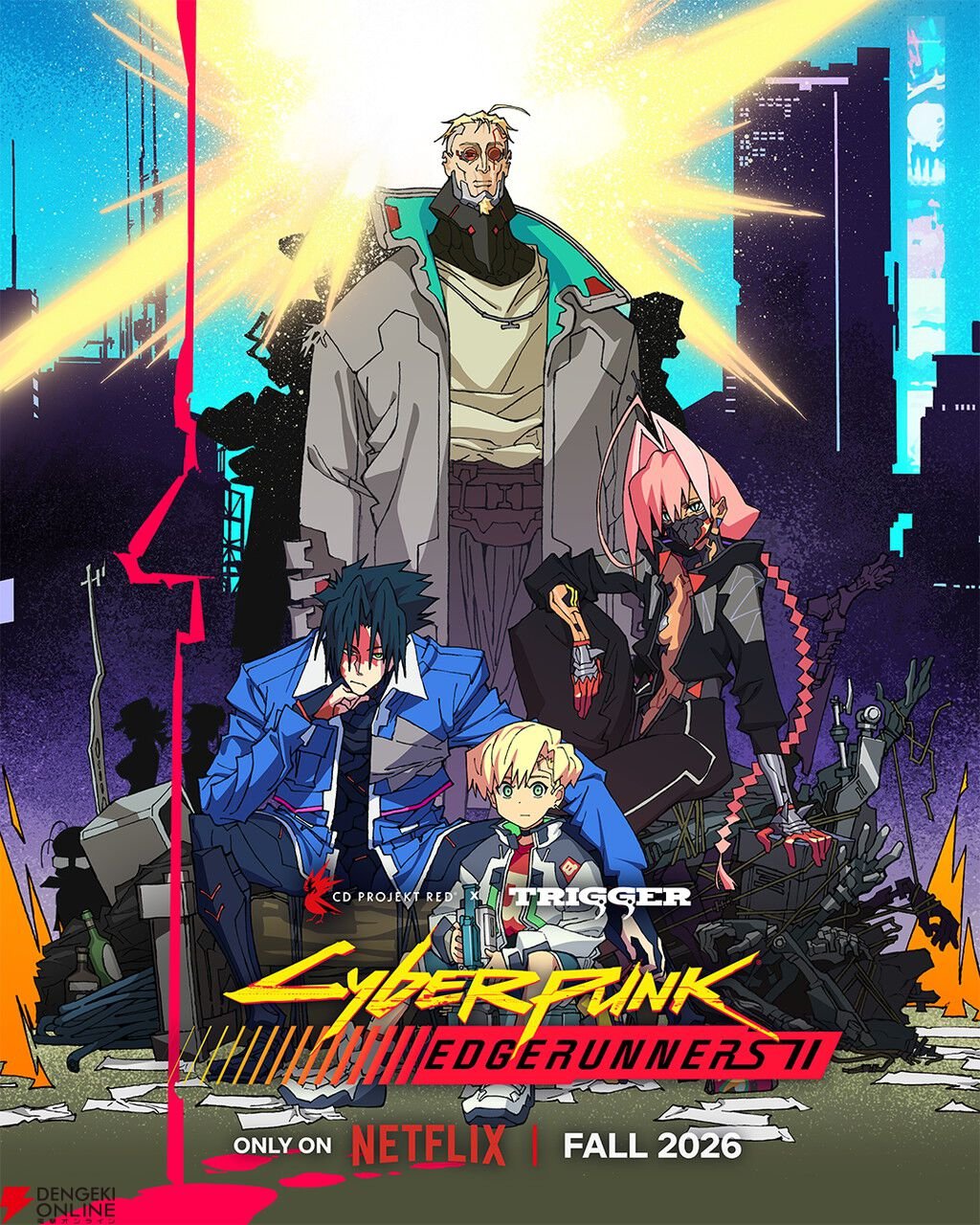
Cyberpunk’s broader world survived too. The animated Edgerunners project expanded interest beyond the original game; later franchise projects reflected renewed confidence in the setting. But a wider franchise doesn’t itself prove quality. The thing that mattered was the work inside the game: people could return and encounter something meaningfully improved.
That doesn’t mean every broken launch will earn a redemption arc, or that developers should treat post-launch repairs as a substitute for quality control. Our GTA 6 discussion is about protecting the right to disagree with hype; this story adds another right: the freedom to update a judgment without pretending the first judgment was fake.
A review can be completely right when it is written and incomplete years later. We need critics who can admit both.
The Review Obsession · Part 6 of 7. Previous: Mafia: The Old Country and the Death of the Simple Game. Next: Did Heavy Metal Die in 1988, or Did We Stop Listening?. Start the series.