
GTA 6: Who’s Afraid of an Honest Review?
THE REVIEW OBSESSION · PART 1 OF 7
A 99 Metascore is a remarkable achievement. It is not a court order requiring you to enjoy GTA 6.
The strangest part of the launch wasn’t Rockstar’s enormous world, the detailed cars or the loudest streamer reaction. It was watching people treat a review score as the final answer to a personal experience. If you love the game, you’re apparently defending art. If you find it slow, you’re accused of trying to ruin somebody else’s fun. When did our hobby become so afraid of disagreement?
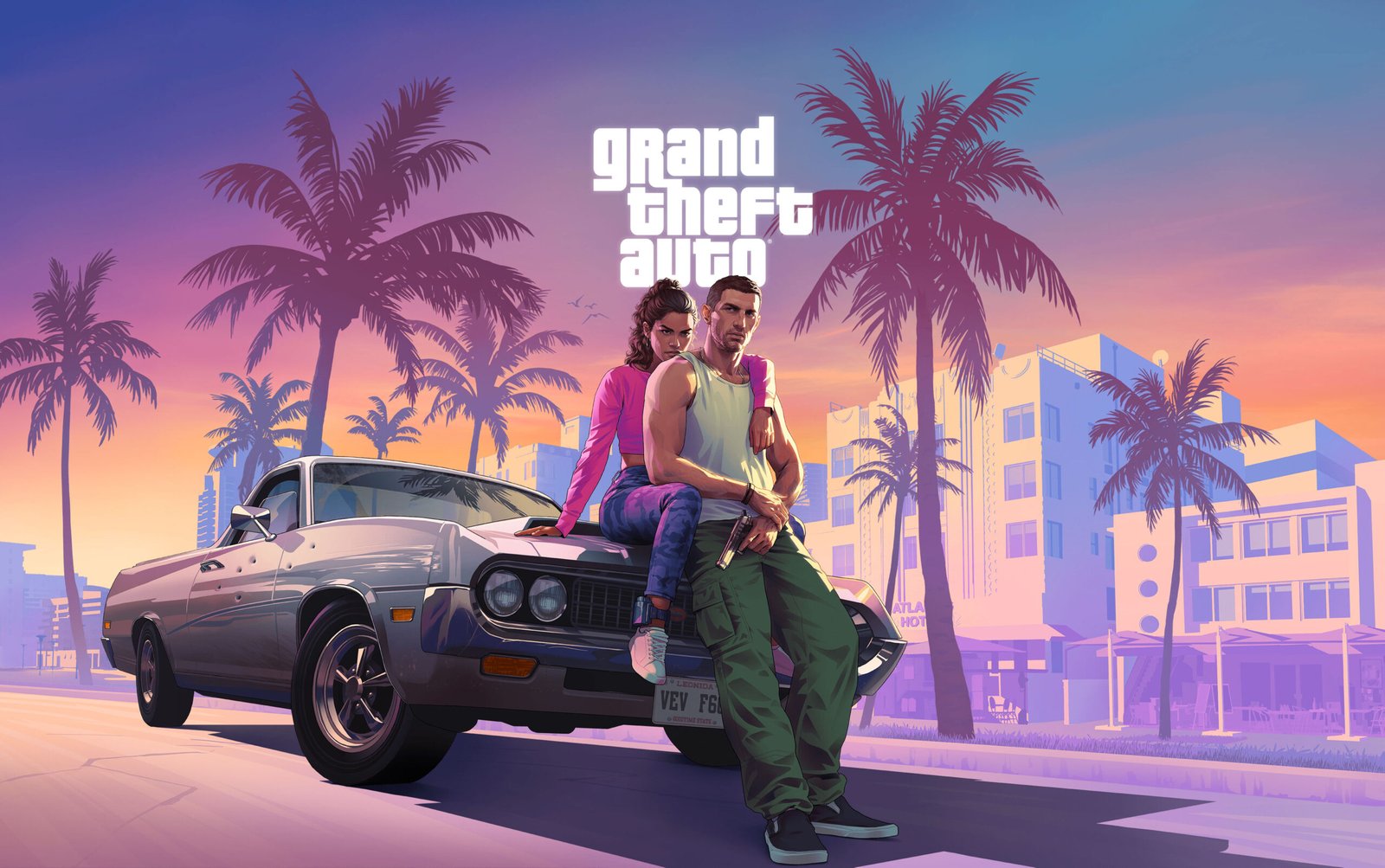
I can admire GTA 6 and still want to question what it does. The world is impressively alive. Jason and Lucia have a more intimate relationship than the series usually attempts. But a beautifully made sequence can also be a tedious one. A game can be technically advanced while the moment-to-moment playing leaves you cold.
The perfect score is not a description of your evening
Reviewers went big. The Guardian documented the game’s 99/100 Metacritic reception, tied with Ocarina of Time at that point. That is a fascinating consensus. It tells you many professional critics think Rockstar accomplished something extraordinary. It doesn’t say what you are supposed to feel during your third slow errand mission.
Here is a simple test. Would you rather play a game with an impeccable score that you keep putting down, or a messy seven-out-of-ten game you can’t stop thinking about? There’s no wrong answer. Scores help people sort the shelves. They can’t replace the experience of being on the sofa, controller in hand, wondering if you want another hour.
The distinction matters even more for GTA. One critic can judge how convincing the city feels, how its systems interact and how its story resolves after dozens of hours. Another player may judge how quickly the game lets them steal a car and cause trouble. Both are looking at the same product through different expectations. Neither has to be stupid.
The complaints are specific — not simply backlash
Bradly Shankar’s MobileSyrup review praised aspects of Jason and Lucia while finding fault with pacing and interruptions to player control. Ars Technica questioned character work and satire. Those are criticisms of craft. They are worth examining, even if the reviewers ultimately recommend the game.
Players have also argued over the slower story, driving feel, relationship activities and vehicle ownership systems. The launch-week split in Metacritic user reactions shows real frustration mixed with the possibility of review bombing. That’s why we shouldn’t use a user-score average as proof that everybody hates the game, either.
But please stop pretending that the only alternatives are masterpiece and garbage. What if Rockstar has built its finest virtual city and one of its most divisive opening acts? That’s a more useful conversation. We explored those design complaints in our longer companion Deep Cut: GTA 6 Is a Beautiful, Boring Mess, with linked streamer reactions and a deeper discussion of the driving and story.
What happens when access and hype enter the room?
The machinery around a blockbuster release is enormous. Exclusive previews, embargoes, creator access, publisher relationships and a fanbase that has already invested years of expectation all surround the final review. None of that proves a particular critic was dishonest. It does make independence worth protecting.
Journalist Patrick O’Rourke said in November 2026 that Rockstar had previously denied him access after his largely positive GTA V criticism in 2013. That is his account, not independently established proof of a blacklist. The claim raises a worthwhile question, however: if access matters professionally, how easily can a reviewer deliver an unfashionable opinion?
There is a mirror image on the other side. An outrage-driven creator may have a different pressure: their audience expects a takedown, and an unexpectedly generous assessment risks disappointing viewers. The incentives differ. The principle doesn’t. The reviewer has to be allowed to surprise us.
The fan war makes listening almost impossible
When someone says a mission is dull, it’s not an attack on your childhood. When someone loves Lucia, they’re not betraying the franchise. When a creator asks whether the game is a masterpiece, they’re not necessarily running a conspiracy. These can be ordinary conversations about structure, characterization and taste.
Ask better questions. At what point does the story open up? Does the relationship deepen the crimes or slow down the pace? Does heavier driving make chases better? Do the jokes still land? These questions give other readers information they can actually use. A collection of insults and score screenshots doesn’t.
A masterpiece should be able to take a punch
The best art survives disagreement. People have argued about great games, records and films for decades; those arguments are often what keep them alive. If a review says something you think is wrong, explain why. If the game disappointed you, explain where. The objective isn’t to win a loyalty contest for a company that already sold you its product.
We should be able to celebrate Rockstar’s achievement without turning its reputation into a shield. And we should be able to say, without apologizing, that a spectacular game sometimes feels boring.
A masterpiece that cannot survive honest criticism is a very fragile masterpiece.
The Review Obsession · Part 1 of 7 — a PYLCROW series about how we praise, hate, defend and sometimes rethink entertainment.
Read next: The Rings of Power: All That Money. Where’s the Soul?. Start the series from Part 1.