Tim Hecker’s Ravedeath, 1972 Turns Noise Into Architecture
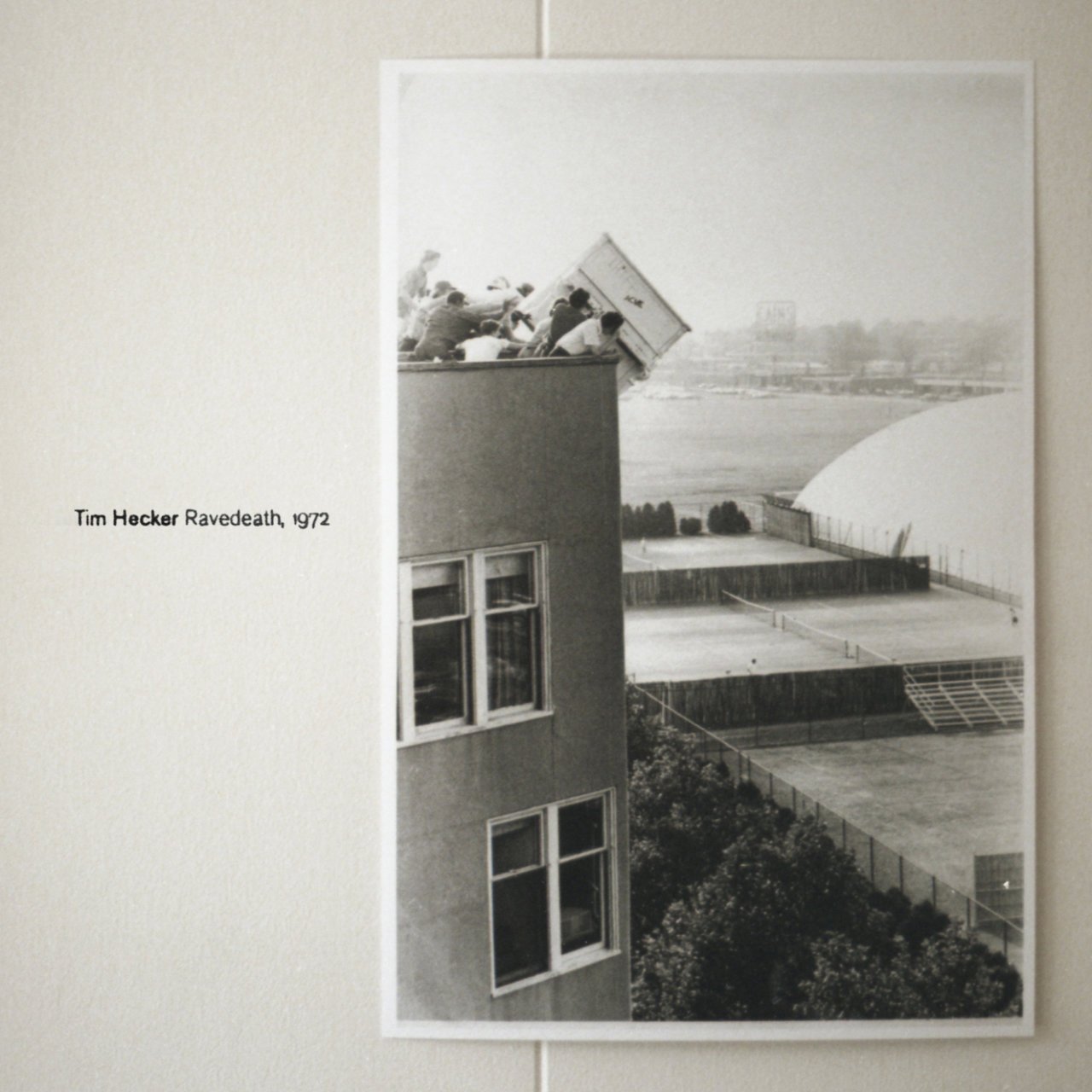
Imagine recording a church organ, then treating the recording not as a sacred object to preserve but as a material that can be bent, bruised and partially erased. Tim Hecker’s Ravedeath, 1972 makes that collision between source and processing the center of its identity.
Released in 2011 on Kranky, the work was built around organ recordings made in a church in Reykjavík. The instrument carries associations of continuity, ceremony and physical scale. Hecker subjects it to sound treatments that can seem to pull the building apart from inside.
When the architecture enters the recording
A pipe organ is never only a set of notes. The room around it shapes the sound, and long resonances make the listener aware of a space even without seeing it. Recording one in a church introduces an acoustic environment with its own character. When Hecker later manipulates the material, we hear not just the instrument but the transformation of that environment.
This is why calling the album “noise” misses something essential. The distortion has a relationship with the recognizable source. Sometimes the organ seems to push through the processing; sometimes the original note has almost dissolved. The interest is in that unstable boundary.
Beauty and damage can occupy the same note
The title and the image of a falling piano suggest destruction, but the music does not settle for aggression. There are moments of enormous beauty, and the beauty is sharper because it seems precarious. A sustained harmony can feel both monumental and vulnerable once its surface begins to fray.
Hecker’s work complicates the notion that fidelity is always the goal of recording. A clean organ recording could preserve the original performance. This record wants something else: it uses the possibility of distortion to make the listener conscious of the material nature of sound and memory.
Does it need to be so difficult?
Dense ambient music can flatten into an undifferentiated wall for a listener without patience for slow movement. The danger is real. Not every minute announces its difference from the preceding one. Yet closer attention reveals changes in register, grain, space and pressure that conventional songwriting tends to hide behind melody and rhythm.
A useful way to hear it is as a landscape in changing weather. The mountains do not move much, but the visibility changes constantly. If you listen only for a chorus, you will miss what the album is trying to develop.
Where to begin
Use headphones or speakers capable of carrying the low frequencies without overpowering everything else. Listen for the moment an organ timbre stops feeling solid and becomes atmosphere. Then compare the album with a relatively unprocessed organ recording.
Follow the Rabbit Hole
The trail continues through Godspeed You! Black Emperor Make Instrumental Songs Feel Like Entire Cities and William Basinski Made an Album About Music Falling Apart. Read these as contrasts in technique and feeling, not as unsupported claims of direct influence.
References: Recording background interview · Release analysis. Research-led editorial analysis.