Grouper’s Dragging a Dead Deer Up a Hill Sounds Like a Fading Memory
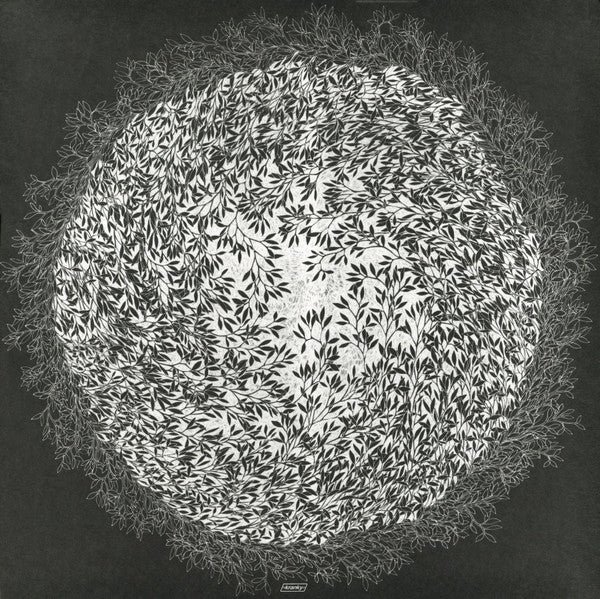
Grouper’s Dragging a Dead Deer Up a Hill can make a song feel as if it has traveled through several rooms before reaching you. A melody arrives, but its edges are blurred. A voice seems close and impossibly far away at the same time.
Liz Harris released the album in 2008, and its mixture of songs, reverb, drone and carefully obscured recording textures became a touchstone for discussions of intimate, hazy music. The easiest praise is that it sounds like a memory. The better question is how those choices change our relationship with the person singing.
The distance between voice and listener
Many producers try to place a singer at the emotional center of a mix by making every consonant and breath perfectly clear. Grouper often takes another route. The voice becomes part of the surrounding atmosphere, sharing space with the guitar and tape-like noise. The listener has to move toward the song rather than having the song advance toward them.
That movement matters. A phrase that arrives slightly obscured can demand more attention than a crystalline vocal line. The lack of perfect clarity is not necessarily a lack of communication; it can become a different type of communication, more suggestive than declarative.
Lo-fi is not the same as careless
Because the music feels fragile, it can be tempting to imagine it was made without much intervention. But restraint and imperfection can be highly deliberate artistic decisions. The recorded space, the level of saturation and the placement of the melody all guide the emotional experience.
“Heavy Water/I’d Rather Be Sleeping” offers a useful doorway. Its beauty is clear enough to attract the listener, yet the production resists turning that beauty into an easy pop sheen. It seems to hold the memory of the song and the song itself at once.
When atmosphere risks swallowing the song
There is also a limit to the strategy. Some listeners will find the sound too veiled, the dynamic range too restrained or the emotional perspective too remote. An album does not become profound just because it is difficult to hear through. What distinguishes this one is that recognizable songwriting keeps surfacing through the fog.
The most revealing moments are often those when a melodic shape emerges briefly and then recedes. You begin to understand the album through absence: what remains after a voice has faded is as important as the line it carried.
Where to begin
Start with “Heavy Water/I’d Rather Be Sleeping” and then listen to the album in sequence. Do not turn it into a scavenger hunt for words. Follow the rhythm of the phrases and the spaces in which they disappear.
Follow the Rabbit Hole
The trail continues through HTRK’s Psychic 9-5 Club Finds Power in Barely Moving and William Basinski Made an Album About Music Falling Apart. Read these as contrasts in technique and feeling, not as unsupported claims of direct influence.
References: Album edition at Aguirre Records · Release context. Research-led editorial analysis.