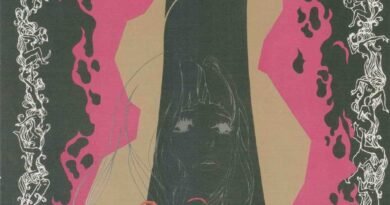
Nala Sinephro’s Space 1.8 Makes Jazz Feel Weightless

A saxophone enters a room, the harp moves beneath it, and the synthesizer seems to expand the walls. On Nala Sinephro’s Space 1.8, that room is never quite the same size twice. It is one of those records that makes the word “ambient” feel both useful and inadequate.
Released in 2021, the album connects jazz improvisation with Sinephro’s pedal harp and modular synthesizers. The result can feel restorative without becoming passive. It invites listeners to notice how musicians create the sensation of space through timing, texture and the willingness not to fill every gap.
Space is a musical decision
Jazz is often introduced through virtuosic solos and dramatic harmonic movement. Space 1.8 keeps some of that freedom but changes the frame. It uses long tones, small gestures and carefully unfolding relationships among instruments. When a phrase arrives, what matters can be the amount of silence it crosses.
A harp has a luminous attack and a natural decay; a modular synthesizer can maintain or reshape a sound over much longer stretches. Sinephro places those behaviors beside one another and lets the difference become an organizing principle. It is less a showcase of instruments than a conversation about how time can feel.
Not everything calm is background music
The surface can seem gentle, especially compared with more abrasive electronic music. But the album includes passages of serious momentum. “Space 6,” for instance, builds with increasing instrumental urgency rather than remaining in a permanently weightless state. Those changes matter because they keep relaxation from turning into a marketing category.
To describe the record only as something to put on while working would be to miss its arrangement choices. It rewards attentive listening: a horn phrase echoes another instrument, a swell changes the perceived scale of the ensemble, and a steady texture suddenly seems to be moving.
Why jazz and electronics belong in the same room
The synthetic sounds do not function merely as futuristic decoration added to traditional jazz. Their flexibility creates space for a different kind of collective improvisation. The electronics can behave like an atmosphere while the acoustic musicians move inside it, then the roles change.
There is no requirement to choose which element is more authentic. The album is strongest when the category boundaries stop being the interesting part. The question becomes whether the players can make unfamiliar combinations feel like an environment with its own breath and weather. Often, they can.
Where to begin
Start with “Space 1” and move through the album in order. Then revisit “Space 6” as a test of whether you heard the record as simply peaceful or as something capable of accumulating pressure.
Follow the Rabbit Hole
The trail continues through Ichiko Aoba’s Windswept Adan Is an Imaginary Island You Can Hear and Tim Hecker’s Ravedeath, 1972 Turns Noise Into Architecture. Read these as contrasts in technique and feeling, not as unsupported claims of direct influence.
References: Nala Sinephro official performance credit and album · Resident Advisor analysis. Research-led editorial analysis.