David Fincher Defends His Use of AI in Cliff Booth. What Does It Mean for Filmmaking?
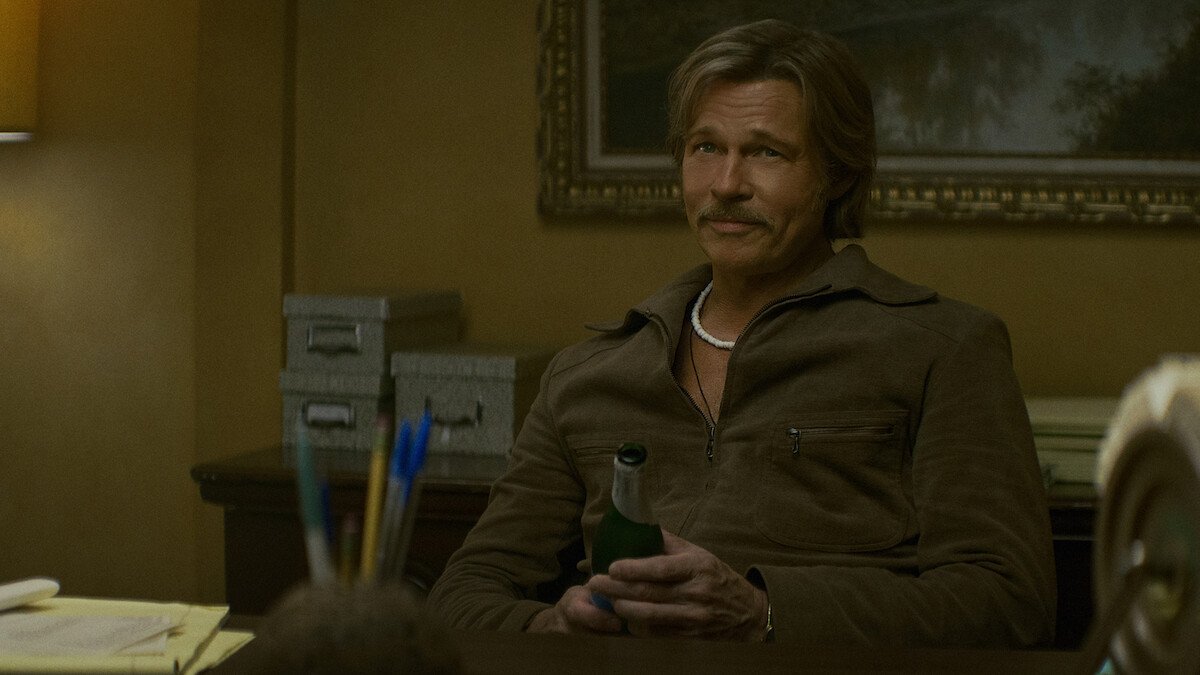
The director of Zodiac and The Social Network is defending AI-assisted filmmaking. His latest interviews raise a bigger question about who controls the performance we see on screen.
David Fincher has never been a director who leaves much to chance. That is precisely why the debate surrounding The Further Mis-Adventures of Cliff Booth is so fascinating. If a filmmaker associated with meticulous framing, endless refinement and digital precision is comfortable using AI to modify a performance, what exactly are we afraid of losing?
In a November 25 appearance on The Big Picture, Fincher discussed using AI to clean up dialogue and described the option of adjusting lip movements to match a different take. Two days later, he went further in an interview with British GQ, defending new visual effects tools and describing the possibilities of altering an actor’s apparent age.
These comments are more interesting than a simple argument over whether AI is good or bad. They also do not answer every question about the finished movie.
What David Fincher actually said about AI in Cliff Booth
Fincher’s discussion with Sean Fennessey focused on a familiar problem in post-production: sometimes the take with the best visual performance doesn’t have the strongest delivery of a line. A director and editor can select the better line reading from another take, but the actor’s mouth may no longer match the words precisely.
According to Variety’s reporting on the interview, Fincher described the possibility of using AI to re-lip
a shot when an ordinary cutaway wouldn’t solve the problem. He also said that conventional ADR — automated dialogue replacement, where actors re-record dialogue after filming — accounted for around 5% in his description, with only four or five days spent recording it.
That figure should not be interpreted as a measurement of how much of the entire movie was made by AI. It concerns the dialogue workflow, not the proportion of generated images in the finished feature. The interview does not provide a shot-by-shot breakdown.
There is also a distinction between describing an available technique and quantifying its actual use. Fincher confirmed AI-assisted audio cleanup; he discussed re-lipping as part of the editing process. The number of shots altered using that specific technique remains unclear.
Listen to the original podcast here. The Ringer lists its discussion of AI at 1:10:24 and Fincher’s interview from 1:29:58.
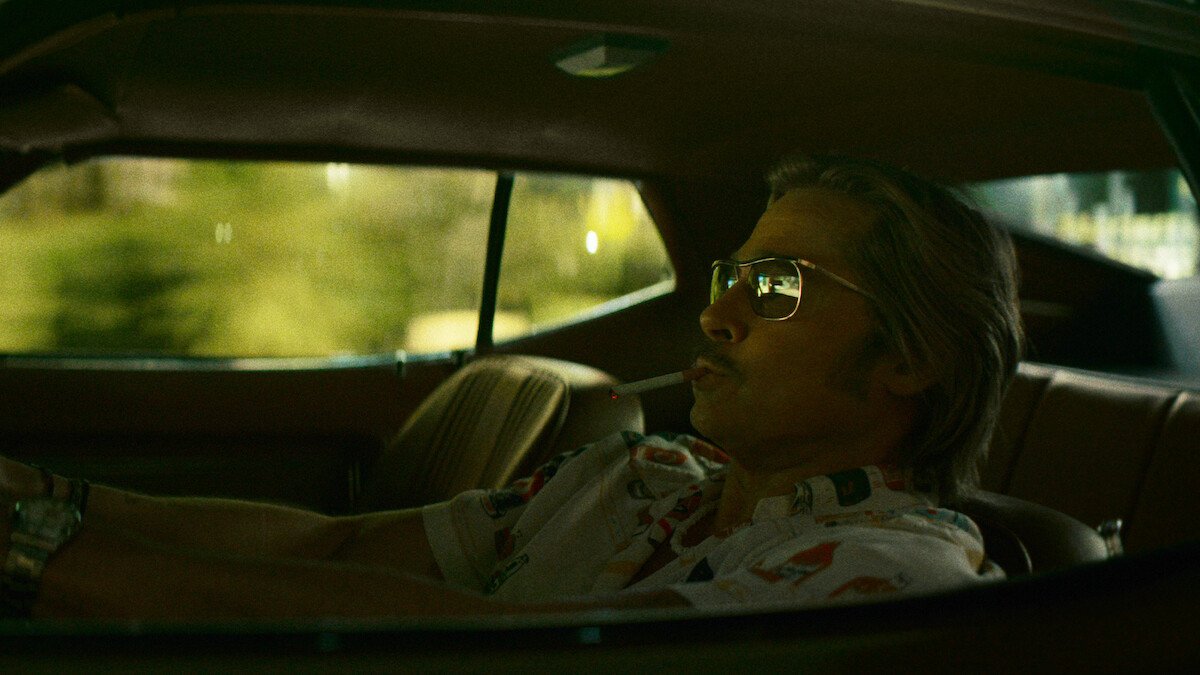
When does editing become a new performance?
Filmmaking has always involved constructing a performance. An editor can take a reaction from one version of a scene and place it next to dialogue from another. Sound editors remove unwanted noise. Actors re-record words. Visual effects teams change what was physically present on set.
None of that makes AI-assisted filmmaking automatically harmless. It makes the distinction more important.
Cleaning an audio recording is different from modifying the mouth of a photographed actor. Modifying that mouth to match something the actor genuinely said is different from making the actor appear to say something they never performed. Generating an entire new shot without a corresponding live-action performance is another step again.
The creative and ethical questions change with each step. Who approved the change? Is the original performer still meaningfully responsible for the result? Are other artists being credited and compensated? Did the director choose the composition, or did a model supply it?
The debate shouldn’t depend solely on whether an audience notices an effect. A perfectly invisible alteration can still raise legitimate questions about consent and authorship.
Fincher’s new interview changes the discussion
On November 27, British GQ published a direct interview in which the director was asked about the generative AI discussion and a generative coordinator credit in the film. Fincher rejected the suggestion that he had handed creative responsibility to a machine.
He compared emerging effects workflows with the work required on The Curious Case of Benjamin Button, where Brad Pitt’s character ages in reverse. He described being able to preserve an actor’s performance while modifying facial characteristics to represent a different age. He also emphasised the continuing involvement of visual effects practitioners.
That is a revealing argument from the director of Benjamin Button. Fincher is interested in the ability to adjust an image without asking a performer to repeat a technically imperfect take over and over. He is framing the technology as a way to retain creative control, rather than relinquish it.
But the interview does not catalogue every affected sequence in Cliff Booth. His example about age alteration illustrates the capability and his approach; it is not a comprehensive confirmation of which shots were manipulated.
The shots people are questioning
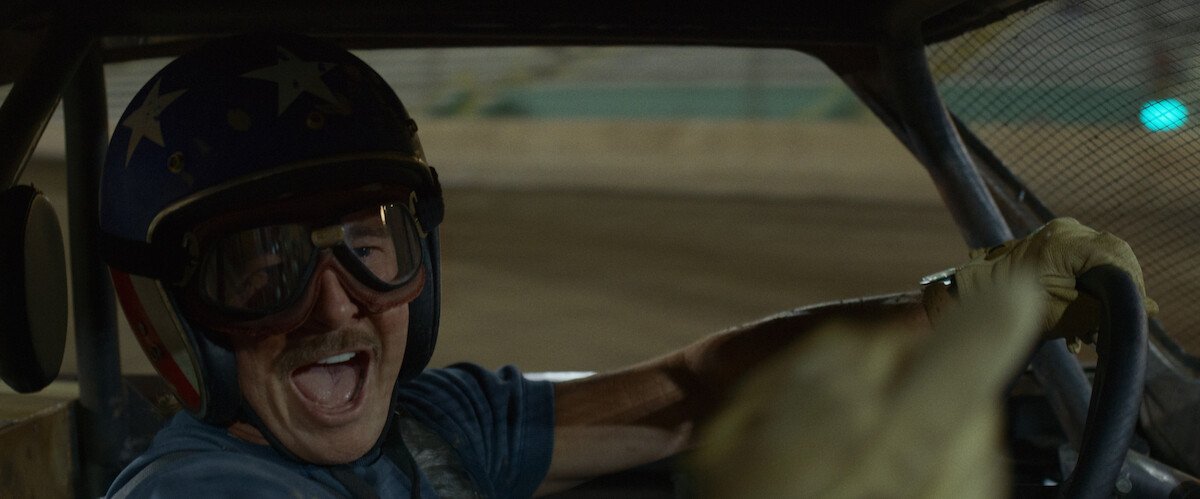
Before the podcast appeared, some early viewers had questioned whether certain images in the film were generated. The Verge reported on the reaction on November 24, alongside Fincher’s earlier public comments about AI. Viewer reactions are not production records; the appearance of a shot alone cannot conclusively identify the techniques used to create it.
Fincher’s subsequent remarks provide a more concrete account of some post-production work and his attitude towards visual effects. They do not establish that every image under suspicion was AI-generated, nor do they establish the opposite.
That distinction matters particularly in an era where footage can be compressed, altered or shared without context. Neither a screenshot circulating on social media nor a filmmaker’s general enthusiasm for technology answers the specific question of how a scene was made.
Hollywood needs a better conversation about disclosure
In the same podcast, Fincher imagined a production process in which actors perform together on a lit set, with some additional coverage created later using emerging tools. TheWrap’s account explains the proposal. It is a forecast about filmmaking, not proof that every element of this process was used on Cliff Booth.
The idea presents an uncomfortable question. Directors could potentially gain more control over the final picture while actors, camera crews and other collaborators lose control over some of the individual decisions that shape it. Those outcomes are not inevitable, but the industry’s contracts and disclosure practices will determine who benefits.
Our position is that the term AI is too broad to carry the whole argument. A film should be able to explain whether a tool restored an existing recording, transformed a recorded performance, generated new visual coverage or replaced a contribution that would otherwise have required another artist. The same label should not obscure all four.
Fincher’s creative history is precisely why his perspective deserves serious attention. He has experience with demanding digital effects and detailed post-production. That doesn’t mean his judgment exempts the film from questions. It means his answers are worth examining in detail.
Ultimately, the point isn’t whether a director should be allowed to use a new tool. It’s whether audiences and collaborators can understand what that tool did, who remained in control, and what happened to the human work it affected.
Where to watch Cliff Booth
Netflix’s official announcement confirms the film began its exclusive IMAX run on November 25, 2026, and arrives on Netflix on December 23. Brad Pitt returns to the character, with Quentin Tarantino writing and Fincher directing.
Watch the official trailer on Tudum and see our guide to whether you need to watch Once Upon a Time in Hollywood first. Explore Tarantino’s filmography for more on the character’s cinematic origins.
Sources and further reading
- The Ringer — The Big Picture interview, November 25, 2026.
- Variety — Fincher’s AI comments, November 26, 2026 (Australian edition).
- British GQ — direct interview with Fincher, November 27, 2026.
- The Verge — early screening controversy, November 24, 2026.
- TheWrap — future filmmaking workflow, November 25, 2026.
- Netflix Tudum — official film stills and production context, November 25, 2026.