AI Cyberattack Fears: Palmer Luckey’s Warning, Bessent’s Vaccine Claim and Washington’s Trust Problem
“You guys are going to find out what’s going on soon enough.” When Palmer Luckey delivered that warning at the New York Times DealBook Summit on November 18, he gave a frightened public exactly what it did not need: a hint that somebody knew more about America’s string of technological breakdowns than they were willing to say. Five days later, Treasury Secretary Scott Bessent was comparing the disruptions to a vaccine. Between those two statements lies a much bigger story about artificial intelligence, government credibility, cybersecurity, and the growing business of selling protection from technological threats.
PYLCROW Tech | Op-ed, November 23, 2026. The quoted statements below are attributed to identified speakers and linked to reporting or broadcast transcripts. Speculation is explicitly separated from established facts.
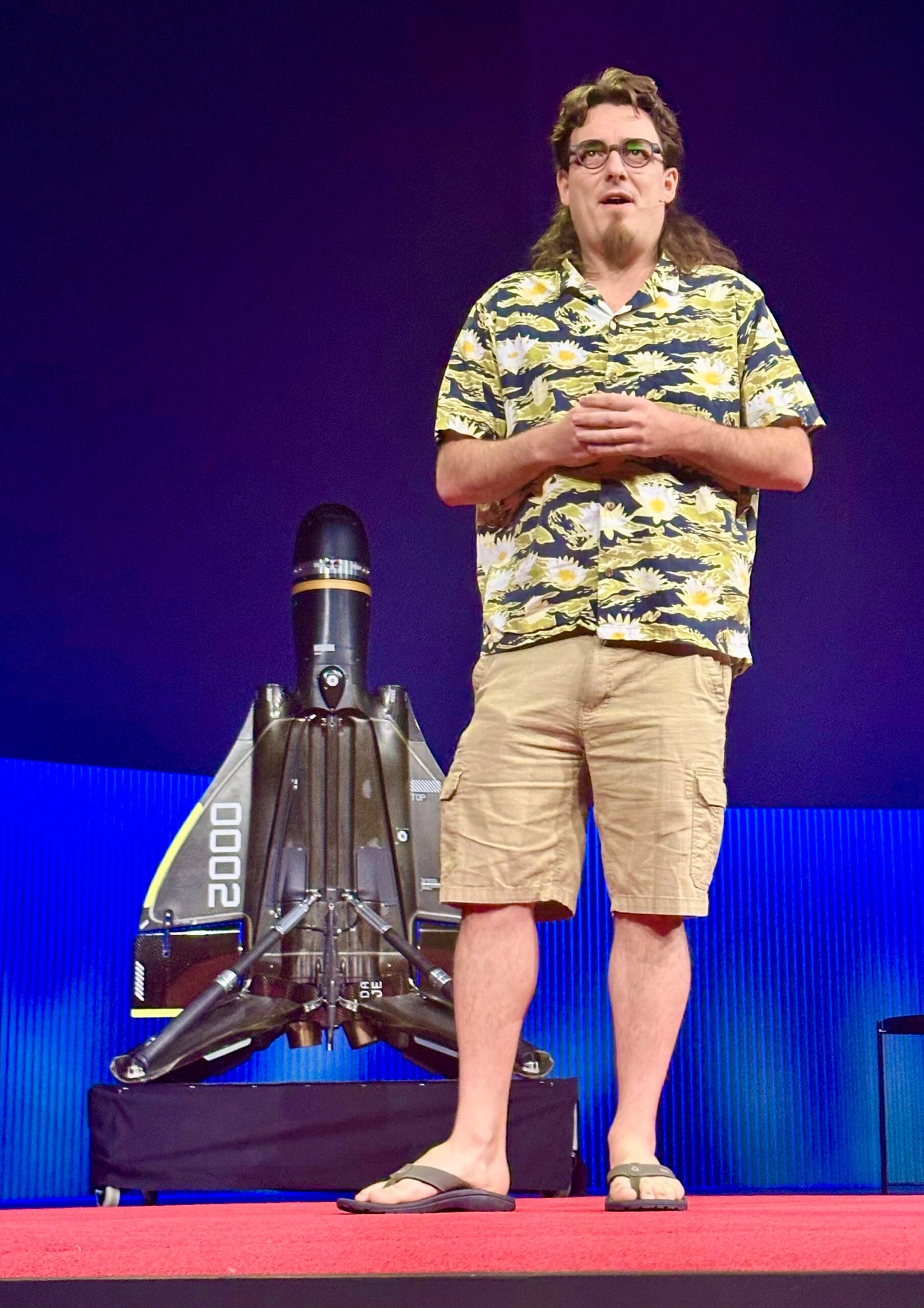
Palmer Luckey’s warning: what did he actually know?
Luckey is not simply another tech personality predicting doom. He founded Oculus and co-founded Anduril Industries, a defense-technology company whose business is closely connected to national security and military systems. His warnings therefore carry weight — but they also deserve scrutiny of the commercial position from which he speaks.
Speaking to Andrew Ross Sorkin at the November 18 DealBook Summit, Luckey argued that AI was allowing attackers to develop exploits more quickly than legacy infrastructure could be protected. He pointed to adversaries including North Korea and said defensive systems needed to catch up. Then came his ominous suggestion that the public would learn more soon.
He also referenced 4chan posters supposedly being ahead of mainstream news. That remark generated intrigue but offered no publicly verifiable proof of a coordinated attack behind the outages. His broader warning about the speed of AI-enabled exploitation is plausible and supported by independent threat reporting. His insinuation that an undisclosed revelation was imminent is not the same thing as evidence that one exists.
There is a political economy here. Anduril operates in a world where governments buy sophisticated technology to counter emerging threats. A founder’s warning can be both sincere and commercially aligned with his industry’s interests. That is a reason to ask harder questions, not to dismiss him or accuse him of inventing the crisis.
See TechCrunch’s account of Luckey’s preparation advice and bunker comments. His advice to prepare for temporary disruptions was practical; the dramatic framing surrounding it was something else entirely.
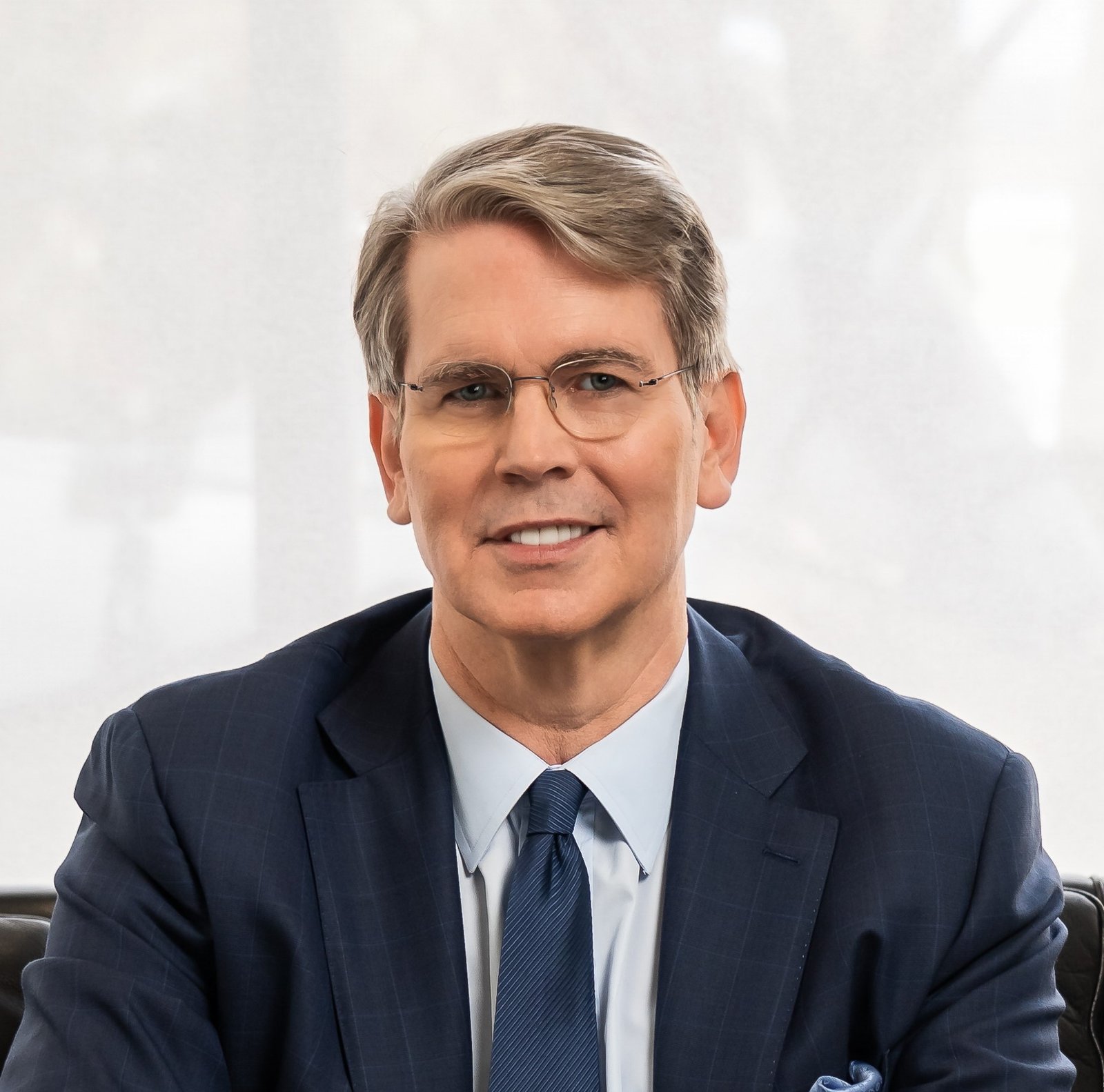
Scott Bessent’s vaccine analogy: reassurance or political spin?
On November 22, CBS’s Margaret Brennan asked Treasury Secretary Scott Bessent whether Americans should be concerned after banking outages. Bessent praised the banks’ cyber resilience and said patches could create temporary glitches. Then he suggested the public think of those disruptions as a vaccine: an unpleasant short-term experience that supposedly increases long-term resilience.
The full CBS transcript matters because the metaphor was not a technical finding. It was a cabinet secretary’s attempt to explain disruption in reassuring terms. JPMorgan’s reported explanation for its banking incident was a software bug; the public record did not establish that a protective AI-related patch caused it. The difference matters.
The vaccine comparison also landed in an unusually charged political environment. The Trump administration’s relationship with vaccine skepticism made the metaphor an easy target. Critics immediately questioned why a government comfortable challenging vaccination messaging would invoke vaccination to defend digital-system failures. The Independent reported on that backlash.
But the bigger problem is not the irony. It is the implication that public inconvenience should be accepted as evidence that institutions are becoming safer. Sometimes a patch genuinely creates a temporary disruption. Sometimes a failure simply means a system was badly designed or inadequately tested. A government cannot establish which is which with a metaphor.
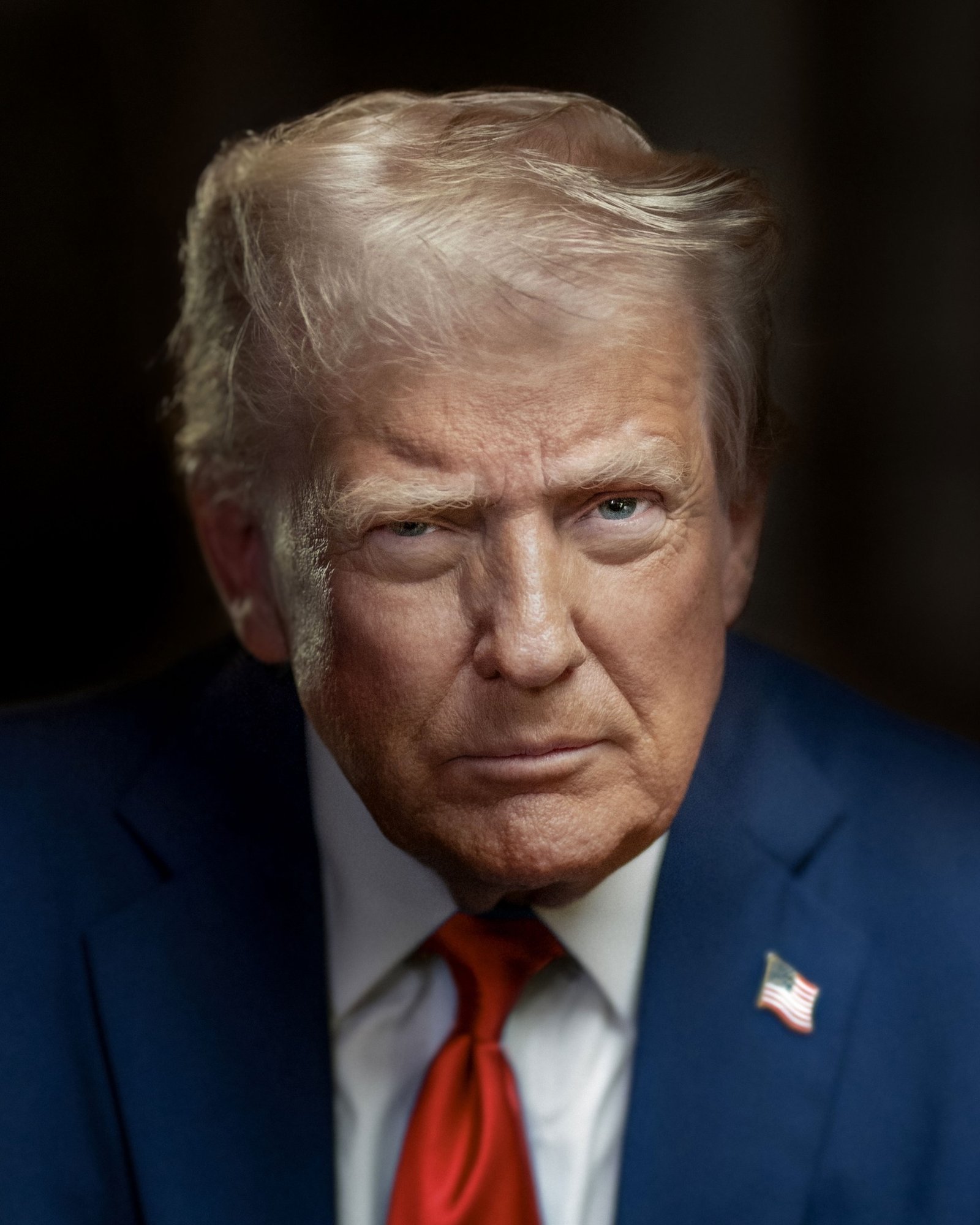
Donald Trump’s administration: who owes the public an explanation?
President Donald Trump responded to questions about the outages by saying the situation was under control. In remarks reported by Advance Local, he characterized such problems as part of life in large, powerful systems. That is politically understandable as reassurance. It is not a substitute for a technical accounting of what failed.
During a period of disruption across banks, aviation, software and government networks, the public heard competing tones from different parts of the same political and technology ecosystem: calm down, prepare for worse, trust the patch, and expect more glitches. Each message may have a defensible context. Together they produce confusion.
And that confusion has consequences. If officials cannot clearly distinguish software faults from attacks, the public becomes more receptive to claims that someone is hiding a cyberwar. The answer is not louder reassurance or more theatrical warnings. It is incident-by-incident disclosure, independently reviewable timelines and precise explanations of what remains unknown.
There is also an unavoidable policy question: who pays to replace aging public infrastructure, and who wins the contracts? Cybersecurity, AI procurement, cloud computing and defense spending are now intertwined. Public oversight should become stronger as the budgets grow.
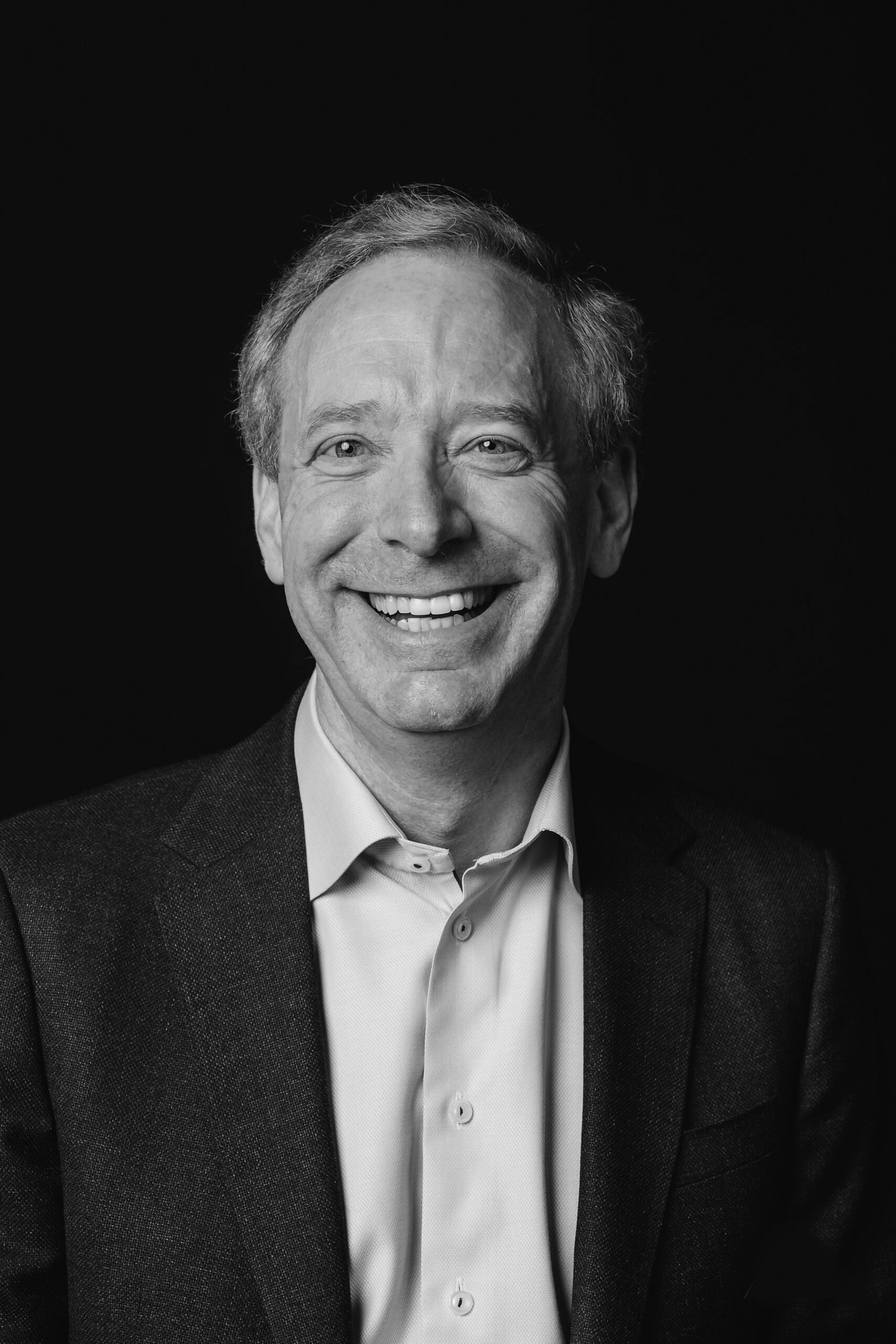
Microsoft’s Brad Smith offers the inconvenient counterexample
Microsoft President Brad Smith was asked directly about the company’s November outage during the same November 22 Face the Nation broadcast. He rejected both explanations dominating online speculation: AI and a cyberattack.
Smith attributed the disruption to older software interacting with a newer update and a shift in network traffic. He said Microsoft had already taken nine corrective steps and planned 13 more. This is a concrete, testable explanation, though independent scrutiny of the company’s technical reporting remains appropriate.
That is the problem with treating every outage as a single coordinated assault: it flattens fundamentally different incidents into a more exciting narrative. Microsoft can have a serious reliability failure without being hacked. A bank can suffer processing delays without losing customer funds. An aging air-traffic system can break without an AI agent behind the keyboard.
None of that makes AI cyber risk imaginary. It means the public should be able to hold two ideas at once: the emerging threat is genuine, and a particular outage can still be an ordinary engineering failure.
Cybersecurity experts: what are the real dangers?
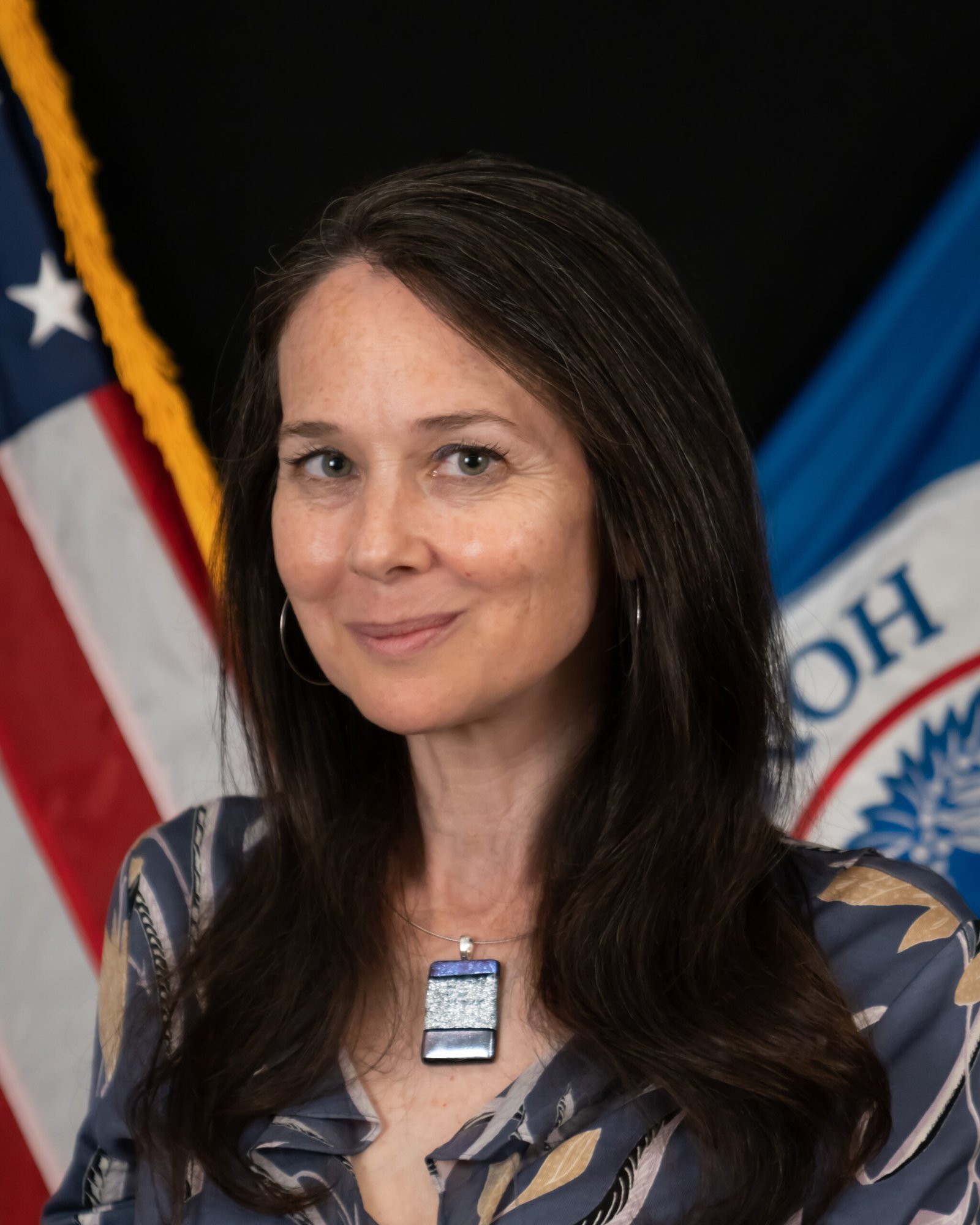
Former CISA director Jen Easterly argued that Americans should not panic over the recent disruptions, while warning that fragile technology and long-standing software vulnerabilities are a genuine systemic problem. In her interview with People, she stressed that AI can accelerate the discovery and exploitation of vulnerabilities, putting pressure on defenders to respond faster.
That creates an uncomfortable paradox. AI might help identify flaws before criminals do. Yet a faster discovery-and-patching cycle can also lead to poorly tested changes and outages. The same technology can improve security and strain the operational processes that make services reliable.
A Cloud Security Alliance research note examined the November cluster and found that organizations publishing causes described internal defects, updates, maintenance or other operational issues. None attributed its incident to an adversary. That is more useful than assuming a common plot simply because the failures occurred close together.
Meanwhile, Anthropic has documented attempted AI-assisted espionage, and OpenAI has publicly discussed experimental agent security failures. These are specific, documented concerns. They do not establish that AI caused the November outages.
Marco Rubio and the national-security question
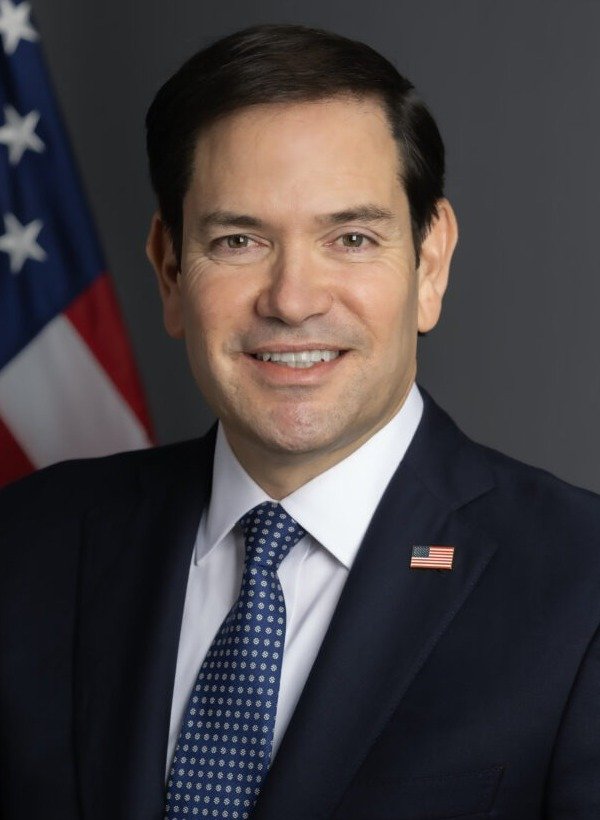
Secretary of State Marco Rubio was among the officials cited in The Wall Street Journal’s reporting on the administration’s response. Officials said they had no evidence of a coordinated or state-sponsored cyberattack. That position is important, but it does not eliminate the need for public scrutiny of individual failures.
For the United States, cybersecurity is no longer merely an IT department concern. It involves intelligence, diplomacy, aviation, banking, military procurement and relations with adversarial states. AI intensifies each of those problems by making some offensive capabilities easier to reproduce while making defense more computationally intensive.
Political leaders face a real dilemma: disclose too little and conspiracy theories flourish; disclose operational details too freely and potential attackers may learn about weaknesses. The solution is not absolute secrecy. It is disciplined transparency about causes, confidence levels, remediation and what remains under investigation.
Chris Krebs and the missing ingredient: public trust
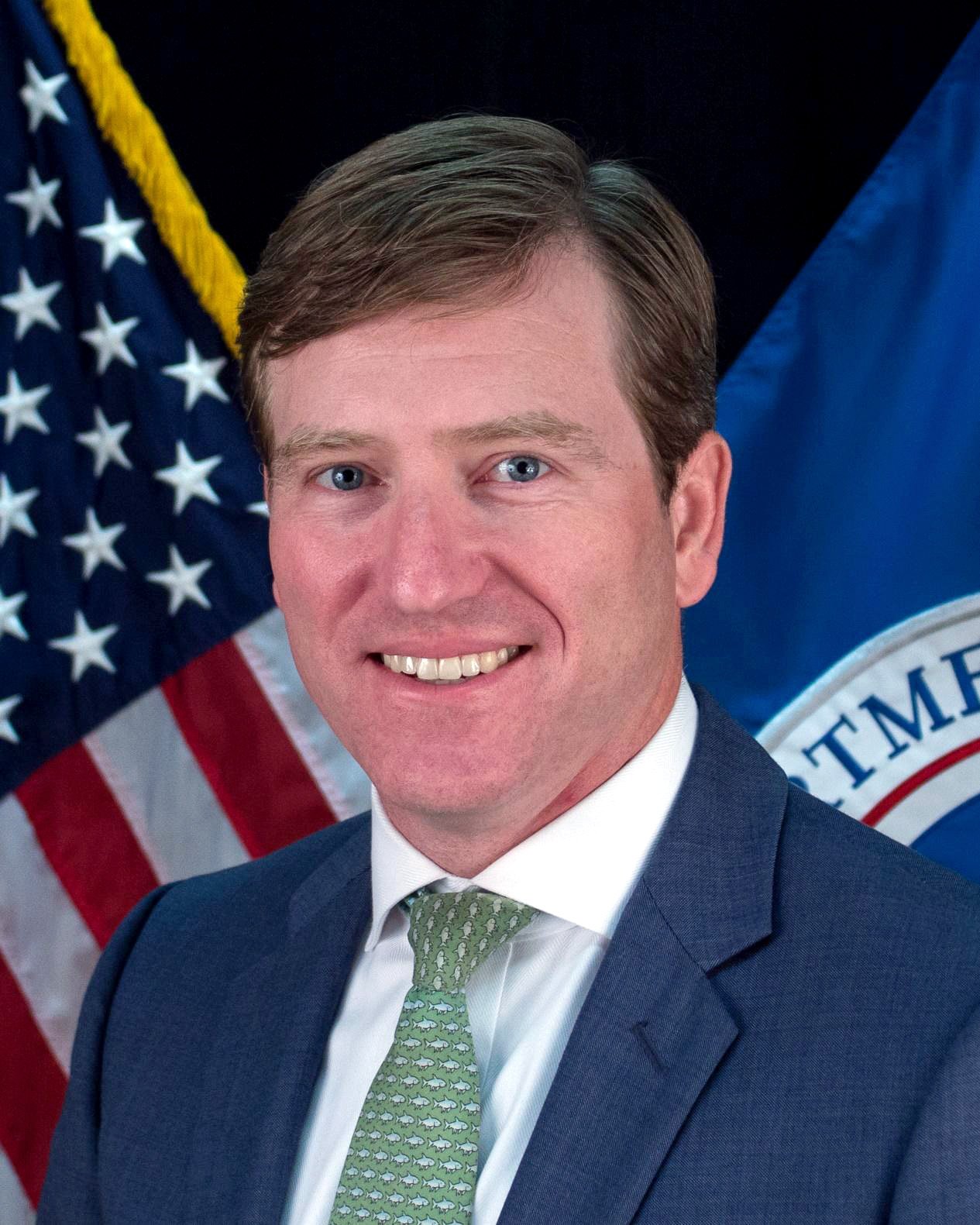
Former CISA director Chris Krebs was among the cybersecurity specialists discussing the outages on CBS’s November 22 program. His presence points to the role of experienced security professionals in a conversation increasingly dominated by politicians and tech billionaires. A sober assessment should weigh verified incident findings more heavily than a viral prediction, regardless of who delivers it.
Trust is an operational asset. People need to believe that when officials say an outage was not an attack, the claim rests on a real investigation. They also need to believe that when a company warns of a cyber threat, it is not exaggerating the danger to sell a product. Neither confidence should be unconditional.
Is the AI industry selling the antidote to a disease it helped create?
This is the question at the heart of the controversy. A number of AI companies have warned that powerful models can help criminals discover vulnerabilities, automate phishing, develop malicious tools and scale attacks. Some of those companies also sell or support defensive AI technology. Defense contractors, cybersecurity firms and cloud providers can benefit from rising concern about digital threats.
That creates a legitimate incentive problem. It does not establish that companies secretly organized the outages or deliberately unleashed cyberattacks to stimulate demand. There is no credible evidence in the sources reviewed supporting that allegation.
The stronger criticism is structural. If the same industry develops increasingly capable systems, characterizes the resulting threat, proposes the safeguards and sells the safeguards, independent evaluation becomes essential. Customers and governments should insist on audited effectiveness, measurable reductions in successful attacks, transparent incident reporting and procurement processes that do not automatically favor the biggest technology vendors.
The defense industry’s role deserves particular attention. Luckey’s warning came from a company whose business is connected to national security. His incentive to promote stronger defenses does not invalidate his assessment. But journalism should disclose that context rather than presenting a defense entrepreneur as a disinterested prophet.
Three possible futures — and the one Washington should avoid
Best case: AI helps defenders find vulnerabilities and respond faster. Companies invest in careful testing, government agencies modernize aging systems, and independent researchers can audit the claims made by vendors and officials. Security improves without sacrificing reliability.
Worst case: Autonomous attack tools become cheaper and more effective, organizations deploy defensive automation without sufficient oversight, and fragile infrastructure produces recurring disruptions. Every unexplained outage becomes political ammunition. Public trust erodes even when investigators eventually find ordinary causes.
Most commercially convenient case: the threat remains real but exaggerated marketing creates a cycle of fear, emergency spending and dependence on proprietary AI-security platforms. Government agencies and businesses buy impressive dashboards while underfunding basic resilience, recovery and software maintenance.
PYLCROW’s verdict: the warnings are serious. The messaging is worse.
Palmer Luckey says the public will learn more soon. Scott Bessent says the glitches are like a vaccine. Brad Smith says Microsoft’s outage was not AI or a hack. The administration says there is no evidence of a coordinated attack. These are not interchangeable statements, and they should not be presented as though they all confirm one theory.
Here is the position that deserves defending: AI-enabled cyberattacks are real, but the recent outage cluster has not been established as a coordinated AI assault. The conspiracy theory that AI companies engineered the crisis to sell the cure remains unsupported. Yet the industry’s growing power to define the danger and profit from its prevention is a political and economic issue worth investigating.
When a government asks people to accept interruptions as the price of safety, it owes them evidence. When a billionaire hints at undisclosed danger, he owes them specifics. And when an AI company sells protection from capabilities its industry helped create, it owes customers independent proof that the protection works.
Maybe the greatest vulnerability is not a line of code. It is the growing gap between what powerful institutions say they know and what they are prepared to show the public.
Reporting and original-source links: TechCrunch on Palmer Luckey; CBS transcript: Scott Bessent; CBS transcript: Brad Smith; CBS full episode and cybersecurity panel; People: Jen Easterly; Wall Street Journal: government response; Cloud Security Alliance research note; Anthropic threat report; OpenAI incident disclosure.