Jensen Huang Is Back at NVIDIA. Trump Was Involved—but the Questions Remain
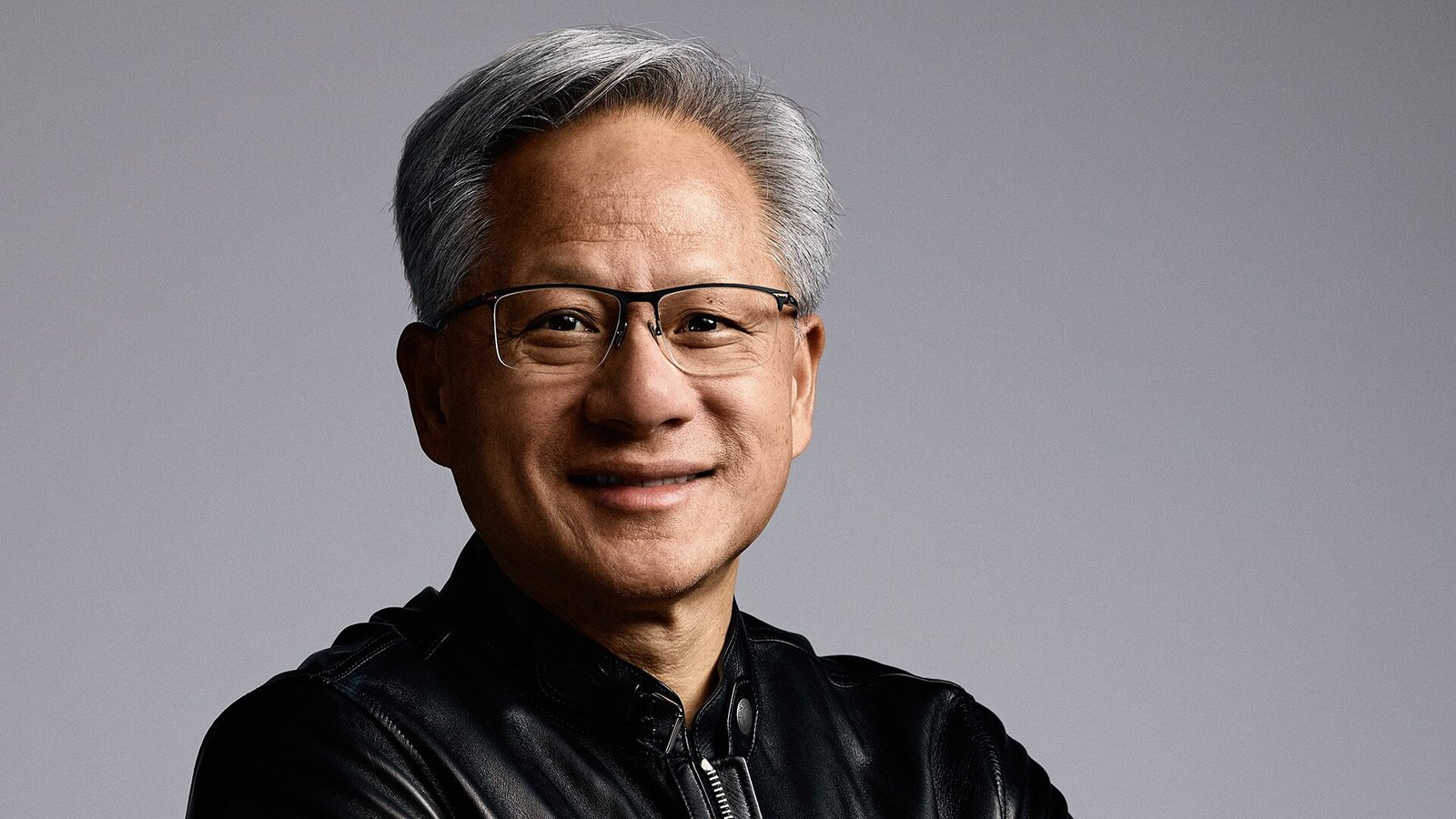
Jensen Huang is back at NVIDIA. On November 23, 2026, the board unanimously reinstated its co-founder as CEO, president and a director—just 12 days after accepting his resignation. Six days earlier, the same board publicly said it had no intention of bringing him back. That reversal deserves more scrutiny than a victory lap.
The comeback was not simply a personnel decision. It followed pressure from investors, employees and technology executives, repeated public support from President Donald Trump and—according to NVIDIA’s own announcement—input from senior levels of the U.S. government. The company says that input helped convince directors Huang’s return posed no national-security risk. That is evidence of government involvement, not proof the White House ordered the board to change its vote.
PYLCROW’s take: Bringing back the founder may stabilize NVIDIA’s relationships and strategy. But the real measure of this comeback is whether the company can demonstrate that its controls are stronger than its personality cult.
Eleven days that changed the story
November 11: NVIDIA’s board accepted Huang’s resignation as CEO, president and director, according to its SEC filing. The company announced the transition on November 12. CFO Colette Kress took over as interim CEO, and Harvey Jones became board chair.
November 17: After Huang indicated he would be willing to return, Jones told investors the board did not intend to reinstate him. It was an unusually categorical statement for a leadership dispute that had become public.
November 23: The board reversed course. NVIDIA said it had held meetings with Huang and was satisfied with his candor and ability to lead. Kress returns to her CFO duties, while Jones remains chair. No alternative CEO will be appointed.
The question isn’t whether a board is allowed to reconsider. Of course it is. The question is what materially changed in six days—and how clearly the board can explain that change without asking investors to rely on faith.
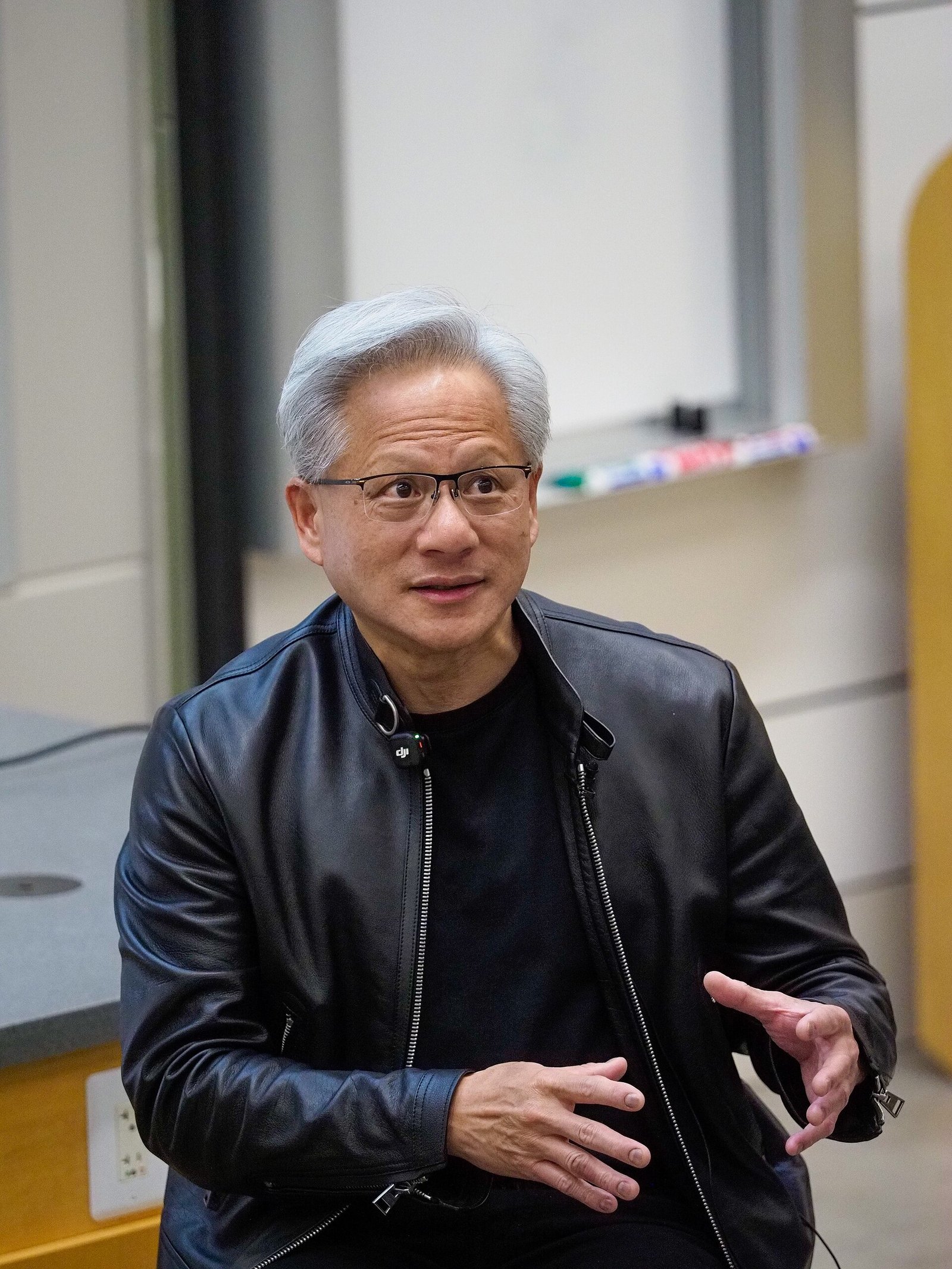
Why did Jensen Huang resign in the first place?
Huang’s departure followed disclosures about extramarital relationships and questions about his association with a businesswoman whom U.S. authorities have suspected of links to Chinese intelligence. The allegation concerning intelligence activity is disputed; Chinese officials have denied it, and suspicion is not a finding of espionage. The businesswoman has not been established by the public evidence cited here to be a spy, and allegations about unlawful chip exports remain subject to investigation.
The deeper corporate issue is separate from Huang’s private life: whether potential conflicts, access to sensitive information or weaknesses in export-control oversight put NVIDIA at risk. WIRED reported that the fallout prompted scrutiny by government authorities and an independent inquiry commissioned by NVIDIA’s board.
Importantly, reinstatement does not end those questions. NVIDIA says its independent-director investigation into the reported foreign-intelligence targeting will continue. It has also created a separate National Security and Export Control Committee, is recruiting a chief compliance officer and says it will cooperate with ongoing government inquiries. Those are commitments, not yet findings.
Did Donald Trump bring Jensen back?
Trump played a documented role in the campaign for Huang’s return. Whether his intervention was decisive remains unknown.
Trump publicly supported reinstatement after previously floating a different successor, and he renewed that call over the weekend before NVIDIA’s November 23 decision. Following the announcement, Trump welcomed the move and said the U.S. government had no reason to believe Huang’s return presented a national-security risk. He also said the attorney general had confirmed the government did not possess evidence Huang engaged in unlawful conduct. Those are the president’s statements; they are not the same as a published final investigative report or a declaration that NVIDIA’s separate compliance investigations are over.
More striking is NVIDIA’s own disclosure: senior U.S. officials provided input during the board’s decision-making. The White House is therefore part of the factual story—not merely a background spectator. But we do not know precisely who gave what information, what the board learned in private meetings or how individual directors weighed political, commercial and legal considerations.
There were differing positions within the administration, too. ABC News reported Treasury Secretary Scott Bessent had pushed for answers about chip exports and questioned NVIDIA’s corporate culture. That makes it simplistic to describe Washington as one unified voice in this affair.
The question for shareholders is not whether a president can express a view. He can. It is whether the board can document an independent decision on an issue where the company’s economic significance and national-security obligations collide.
NVIDIA was never just one man—and its numbers prove it
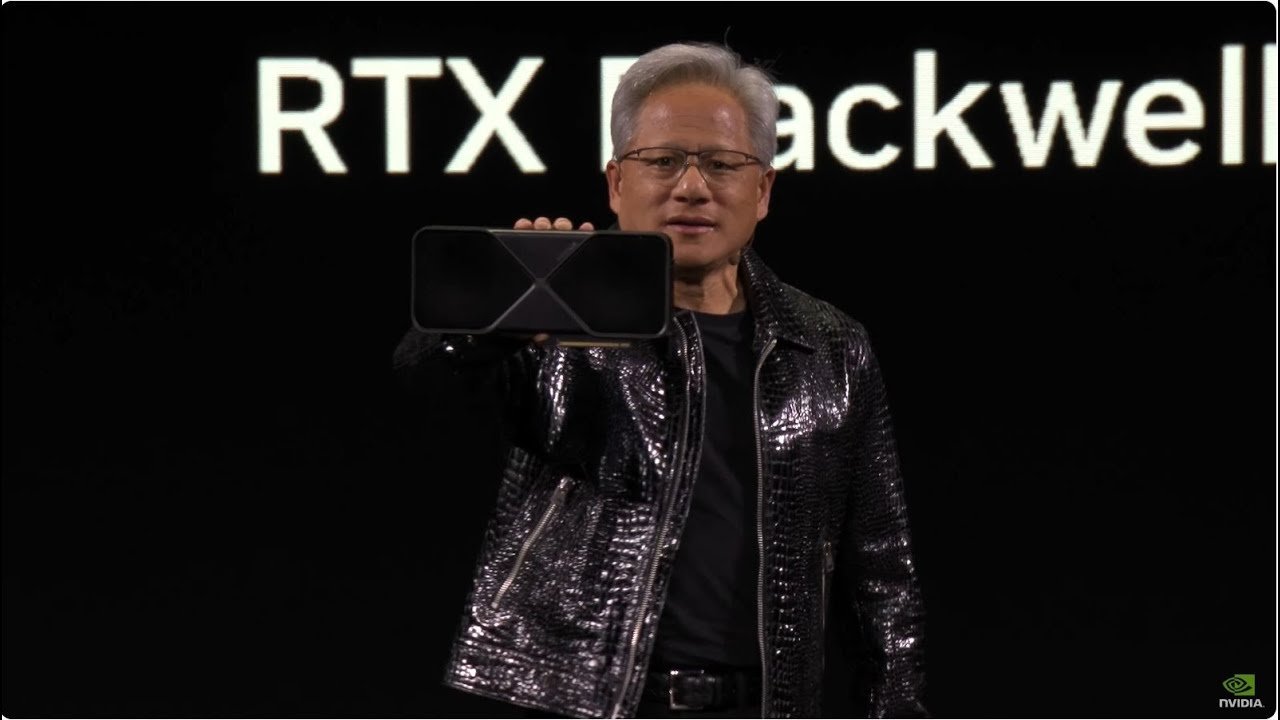
Huang helped build NVIDIA from a graphics-chip startup into the infrastructure company underpinning much of the AI economy. Its CUDA ecosystem, data-center systems, software and developer relationships are much bigger than a black leather jacket on stage. His return matters because founders help set strategy and sustain trust across long, expensive partnerships. But confusing a powerful founder with the entire business would be a mistake.
On November 17, while Kress was serving as interim CEO, NVIDIA reported $115.8 billion in third-quarter fiscal 2027 revenue, up 103% year over year. Data Center contributed $107.6 billion of that total. The company forecast roughly $130 billion in fourth-quarter sales, plus or minus 3%, and said its forecast assumes no Data Center compute revenue from China. These are figures in NVIDIA’s earnings release, not a prediction from PYLCROW.
Those results show the operation did not suddenly stop when Huang walked out. Kress and NVIDIA’s engineering, sales and supply-chain teams kept the business moving. Her short stint is worth recognizing precisely because it complicates the hero-and-savior narrative. NVIDIA needs its founder’s direction, perhaps; it demonstrably also needs an institution that works without him.

What should we expect from Jensen Huang’s return?
First: a return to NVIDIA’s long-range product narrative. The company has begun shipping its Vera Rubin platform and is pushing beyond training chips into inference, AI agents, networking, industrial simulation and complete data-center systems. Expect Huang to resume his usual role explaining how those pieces fit together. That is an editorial expectation, not an announced new roadmap.
Second: closer scrutiny of China-related sales and customers. NVIDIA cannot talk its way around export rules. Its new independent committee and chief compliance officer will need authority, reliable reporting and visible results. Customers and regulators will watch whether this produces genuine change or merely a governance diagram.
Third: less tolerance for surprises. Any future disclosure involving the investigation, executive relationships or a new trade-compliance problem will be viewed against the board’s swift reversal. Trust can return faster than it was lost—but it can also evaporate again if explanations feel incomplete.
Fourth: renewed investor attention to fundamentals. The leadership news has triggered sharp trading reactions, but NVIDIA’s valuation will still depend on revenue growth, cash generation, product delivery, competition, customer spending and the sustainability of the AI buildout. A reinstated CEO cannot eliminate those risks.
PYLCROW’s verdict: a comeback is not a clean slate
It would be easy to write this as a triumphant return: the founder leaves, everyone realizes he is irreplaceable, and the hero walks back through the door. The story is more interesting—and more consequential—than that.
On the business side, reinstating Huang brings continuity to customer relationships and a technology roadmap that spans years. On the governance side, NVIDIA has to explain why directors who were categorical on November 17 felt comfortable reversing themselves six days later, especially with investigations continuing. Trump backed the return, and the board acknowledged government input. That gives the decision an additional layer of scrutiny, whether one supports the comeback or not.
Huang can restore the familiar voice on NVIDIA’s stage. The board must prove there are adults backstage with enough independence to challenge him. If those two things coexist, the company may emerge stronger. If not, the next crisis could be harder to survive.
Previously on PYLCROW: Jensen Huang Is Out. How Much of NVIDIA Left With Him? — our report from the original resignation, published before today’s reinstatement.
Sources and what remains unresolved
- NVIDIA, November 23: official reinstatement, government input, board review and compliance plans.
- SEC, November 12: the original resignation and interim appointments.
- NVIDIA, November 17: third-quarter results and guidance.
- AP, November 23: confirmation of the board reversal and Trump’s comments.
- ABC News, November 17: national-security concerns and differing administration positions.
Reporting and opinion updated November 23, 2026. Allegations under investigation are not findings of wrongdoing. This article is analysis, not investment advice.