
DLSS 5 backlash: why gamers hate Nvidia’s AI faces

Smart summary
DLSS 5 is Nvidia’s AI rendering feature that redraws lighting and faces in real time, and many players hated how its first demos made characters look smoothed and “yassified”. Nvidia says it’s optional and that developers control the final look, but the core worry, that an AI filter changes what artists made, hasn’t gone away.
In March 2026, Nvidia showed a woman leaning on a bar in Starfield, first as Bethesda drew her, then with DLSS 5 switched on. The second version looked more like a photo. Her skin was smoother, the light softer, the face somehow more “perfect”.
Nvidia thought it was showing the future of graphics. Within days, players had turned clips like this into a meme.
Label: Tech explainer. What Nvidia showed, what critics say, and our verdict.
What is DLSS 5, and why did gamers hate it?
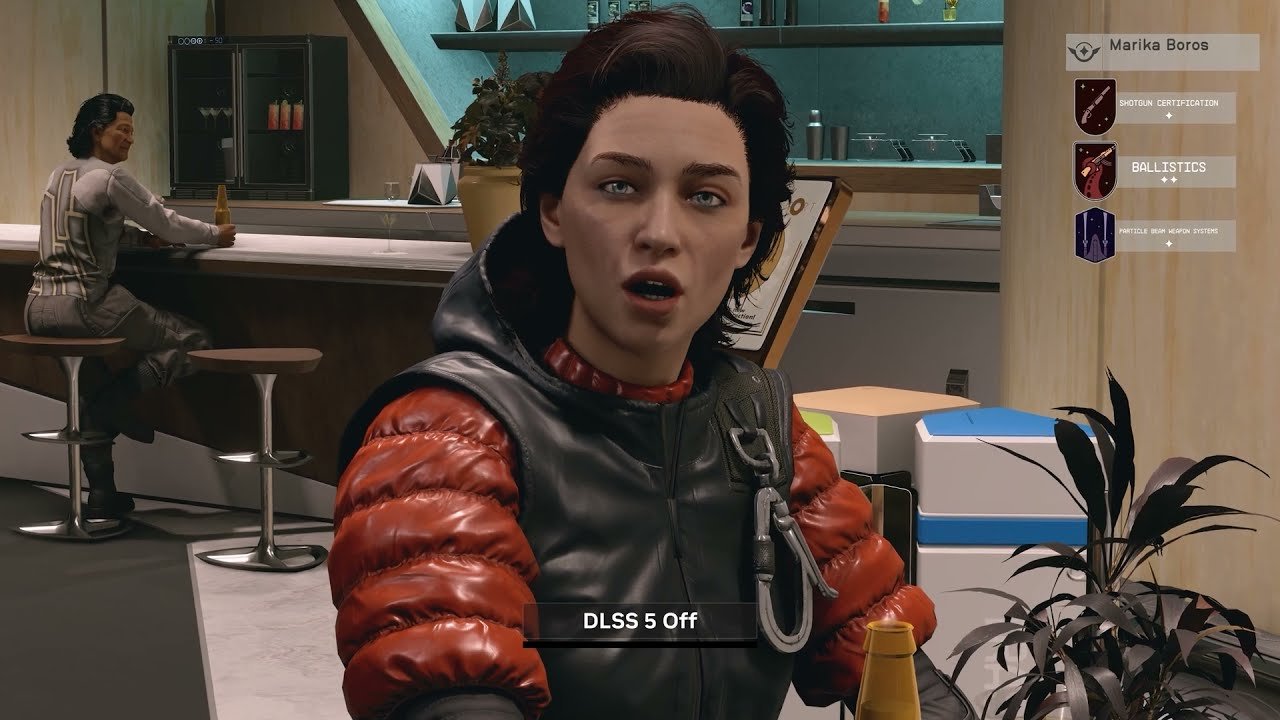
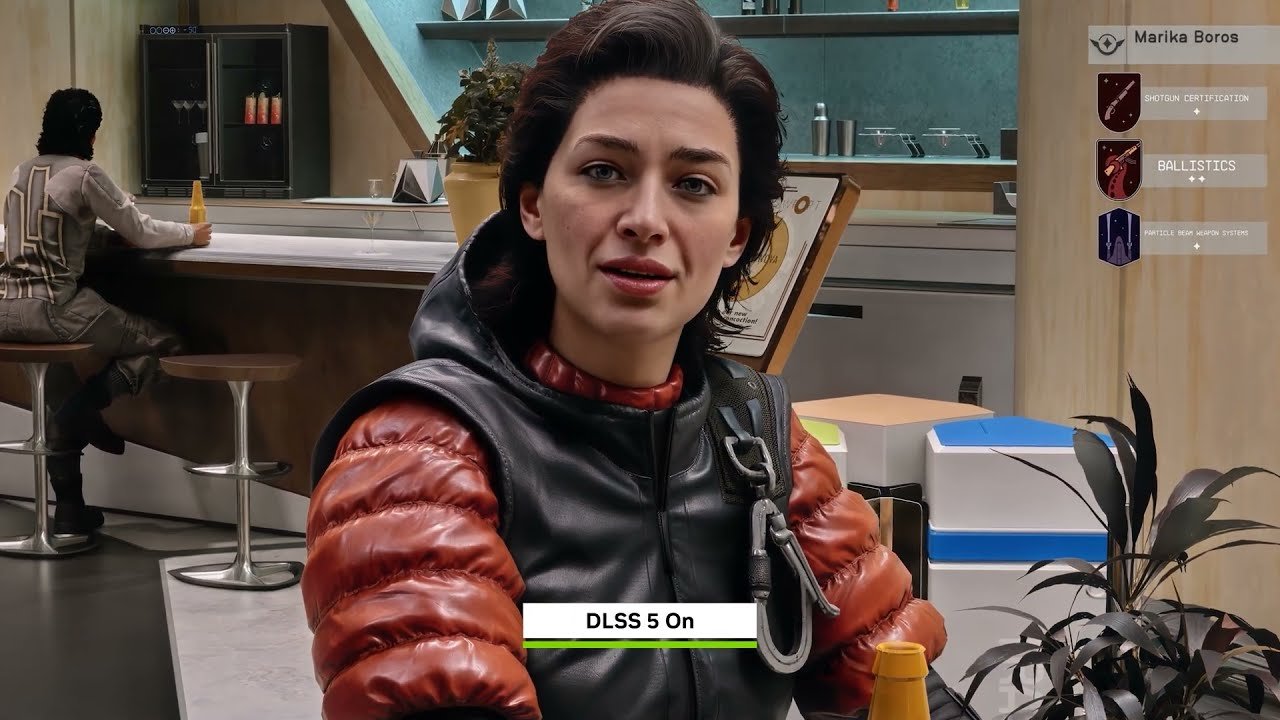
Earlier DLSS versions made games run faster by upscaling the image and generating extra frames. DLSS 5, announced at GTC 2026, goes further: Nvidia calls it neural rendering, where an AI model reworks the lighting and materials of each frame.
The trouble was faces. Clips of Resident Evil Requiem’s Leon Kennedy and Grace Ashcroft showed glossy, airbrushed skin, and Euronews described the reveal turning into a “meme storm” on March 19, 2026. The word players kept using was “yassified”.
The deeper complaint, as Engadget laid out, is about authorship. If an AI model changes a face after the artist finished it, whose work are you looking at?
What did Nvidia say about the DLSS 5 backlash?
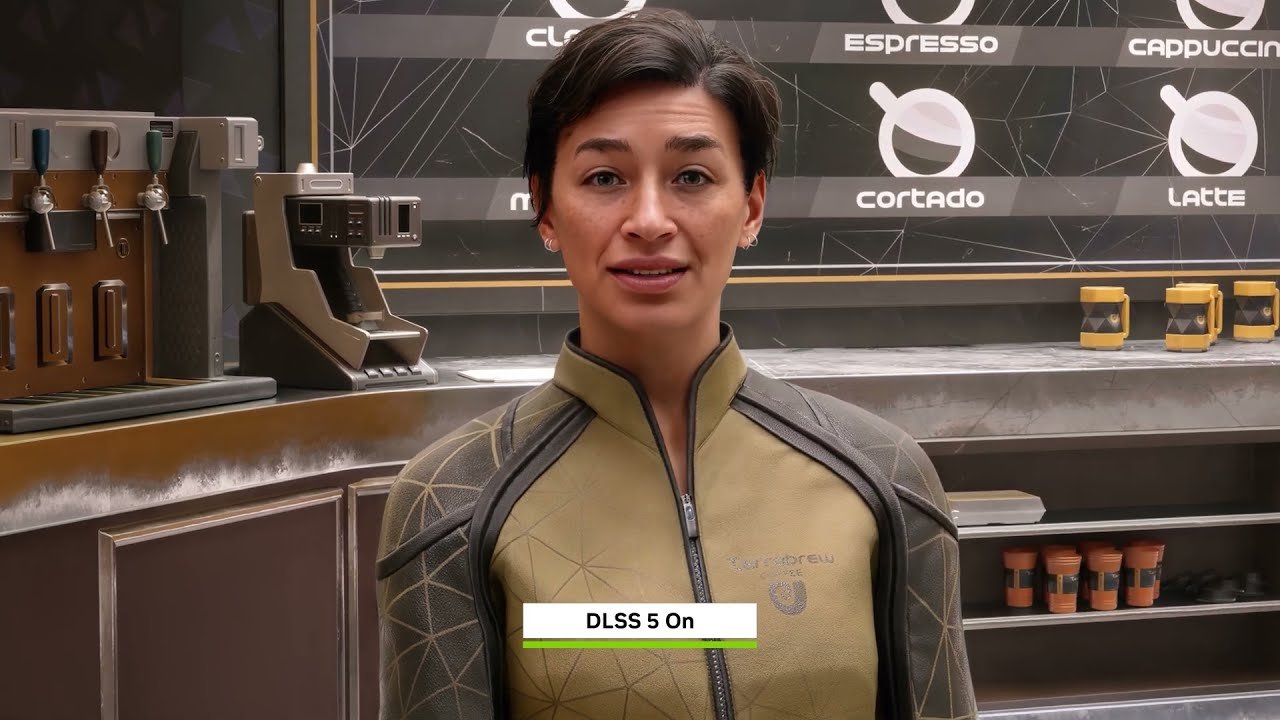
Jensen Huang didn’t back down. Asked about the criticism, he said gamers were “completely wrong”, as TechRadar reported, arguing that DLSS 5 keeps the game’s geometry and textures under control while adding generative AI on top.
Nvidia’s fairer points: developers decide whether to use DLSS 5 and how strongly, and players can switch it off. The early clips were, by Nvidia’s own description, a very early look.
By SIGGRAPH 2026, Nvidia was showing tools that let artists “direct the final frame”, as Wccftech covered. That is the strongest counterargument to the backlash: if the studio sets the limits, it’s a tool, not a filter.
Is DLSS 5 out, and should you turn it on?
Reports say DLSS 5 went live on September 3, 2026, with NBA 2K27 as the first game, on RTX 50 Series cards. More games, from the list Nvidia named at GTC, are meant to follow.
Our advice is simple. Try it in a game you know well, then compare faces side by side. If characters stop looking like themselves, turn it off.
The setting that makes a game look “better” isn’t always the one that looks like what the artists made.
Pylcrow’s take: better isn’t the same as truer
Back to that woman at the bar. The DLSS 5 version is technically impressive and also less hers. It looks like every beauty filter on your phone.
We don’t think DLSS 5 is evil. We think Nvidia showed it in the worst possible way, on faces, without the studios’ context, and then told the people who noticed that they were wrong.
Verdict: the GTC 2026 reveal, the face backlash and Huang’s “completely wrong” remark are Documented. That developers fully control the final look is Claimed by Nvidia. That the reveal damaged trust more than the tech deserved is Interpreted. Whether studios will use it on faces at all is Unresolved.
Quick answers
Does DLSS 5 work on RTX 40 cards?
Nvidia’s documented support at launch was RTX 50 Series cards. Some reports talk about older cards getting it later, but Nvidia hasn’t confirmed full RTX 40 support, so check its DLSS page before you upgrade for it.
Is DLSS 5 the same as frame generation?
No. Frame generation creates extra in-between frames to raise frame rates. DLSS 5’s new part is neural rendering, which changes how each frame’s lighting and surfaces look.
Read next: RTX 60 series release date: is 2027 off the table?, or browse more Tech.
Sources: NVIDIA (GTC 2026 announcement); Euronews (March 19, 2026 reaction); Engadget (why players are upset); TechRadar (Huang’s response); Wccftech (SIGGRAPH artist controls). Truth labels are Pylcrow’s judgment as of November 7, 2026.