The OA Is a Sci-Fi Mystery About the Power of Believing a Story
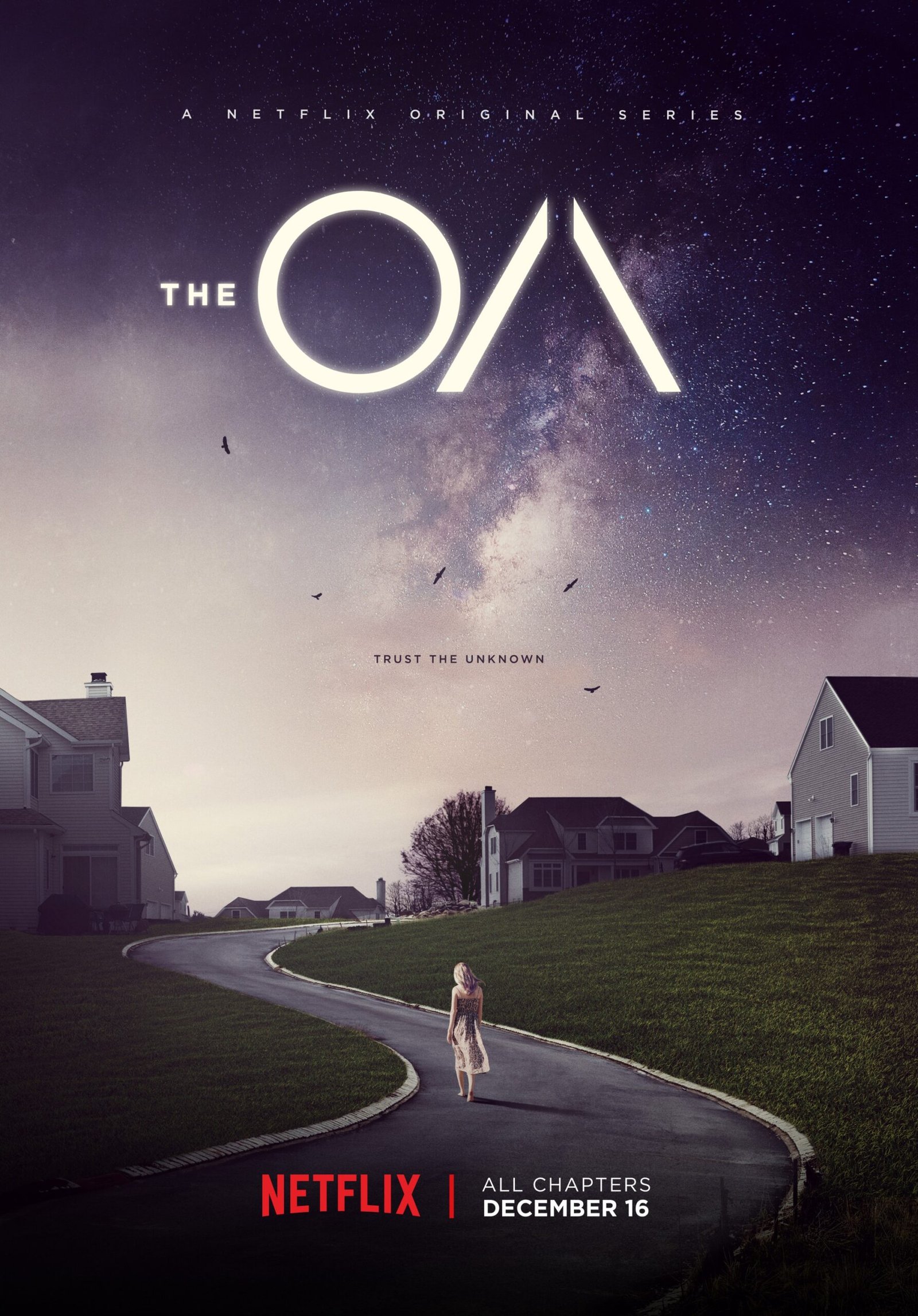
The OA asks a dangerous question of a television audience: what if the thing everyone is trained to dismiss as ridiculous is the very thing the story needs them to take seriously? Its premise involves disappearance, trauma, impossible experiences and people gathering to believe a stranger. But its larger subject is the act of belief itself.
Created by Brit Marling and Zal Batmanglij, the Netflix series debuted in 2016 and ultimately ran for two seasons. That unfinished status hangs over any recommendation. Yet it also makes the series an unusually revealing experiment in storytelling: can a show matter when it refuses to deliver every answer we expect from the format?
A mystery built from the listeners, not only the clues
Prairie returns from years of absence with a story that is difficult to verify. The conventional mystery version of this premise would position the audience as detectives and make every scene a test of whether the narrator is lying. The OA does something more uncomfortable. It invests in the people who choose to listen and in the ways that collective attention changes them.
The group’s willingness to hear an impossible account becomes a dramatic event. Instead of being purely a puzzle to solve, belief becomes an action with social consequences. That is an unusually sincere choice for genre television built around twists.
The brilliance and risk of radical sincerity
The show includes gestures and rituals that can appear absurd when described out of context. A more cynical series would protect itself by offering a joke at the moment of maximum vulnerability. The OA often refuses the escape hatch. It asks viewers to accept that embarrassment and wonder may occupy the same scene.
That choice will divide audiences, and it should. For some, the tonal commitment is electrifying. For others, it makes the story harder to accept. The important thing is that the awkwardness is not always a failure of execution; it can be the price of trying to dramatize something beyond ordinary plausibility.
What an unfinished story leaves behind
Netflix canceled The OA after two seasons in 2019, leaving its larger intended arc unresolved. Recommending it without mentioning that would be unfair. But lack of closure is not identical to lack of meaning. Its scenes about listening, captivity, storytelling and human connection can remain powerful independent of the missing installments.
The less satisfying side is also real: viewers invested in answers may feel the show’s most elaborate promises were never cashed. The sensible way to watch is not to pretend the cancellation was secretly part of an artistic master plan. It is to encounter the seasons as an incomplete but unusually ambitious work.
Where to begin
Watch the first episode without reading theory threads. Notice who is asking questions, who is listening and how the camera treats moments that could easily have become jokes. Decide whether the show earns your belief before you look for explanations.
Follow the Rabbit Hole
Next, explore Undone Uses Rotoscope Animation to Question Reality and Scavengers Reign Builds an Alien World That Doesn’t Care About Humans. The connection is a question of technique and tone, not a claim that the creators directly borrowed from one another.
References: Netflix series page · Creator interview and context. Spoiler-light Deep Cuts editorial feature.