Mafia: The Old Country and the Death of the Simple Game
THE REVIEW OBSESSION · PART 5 OF 7
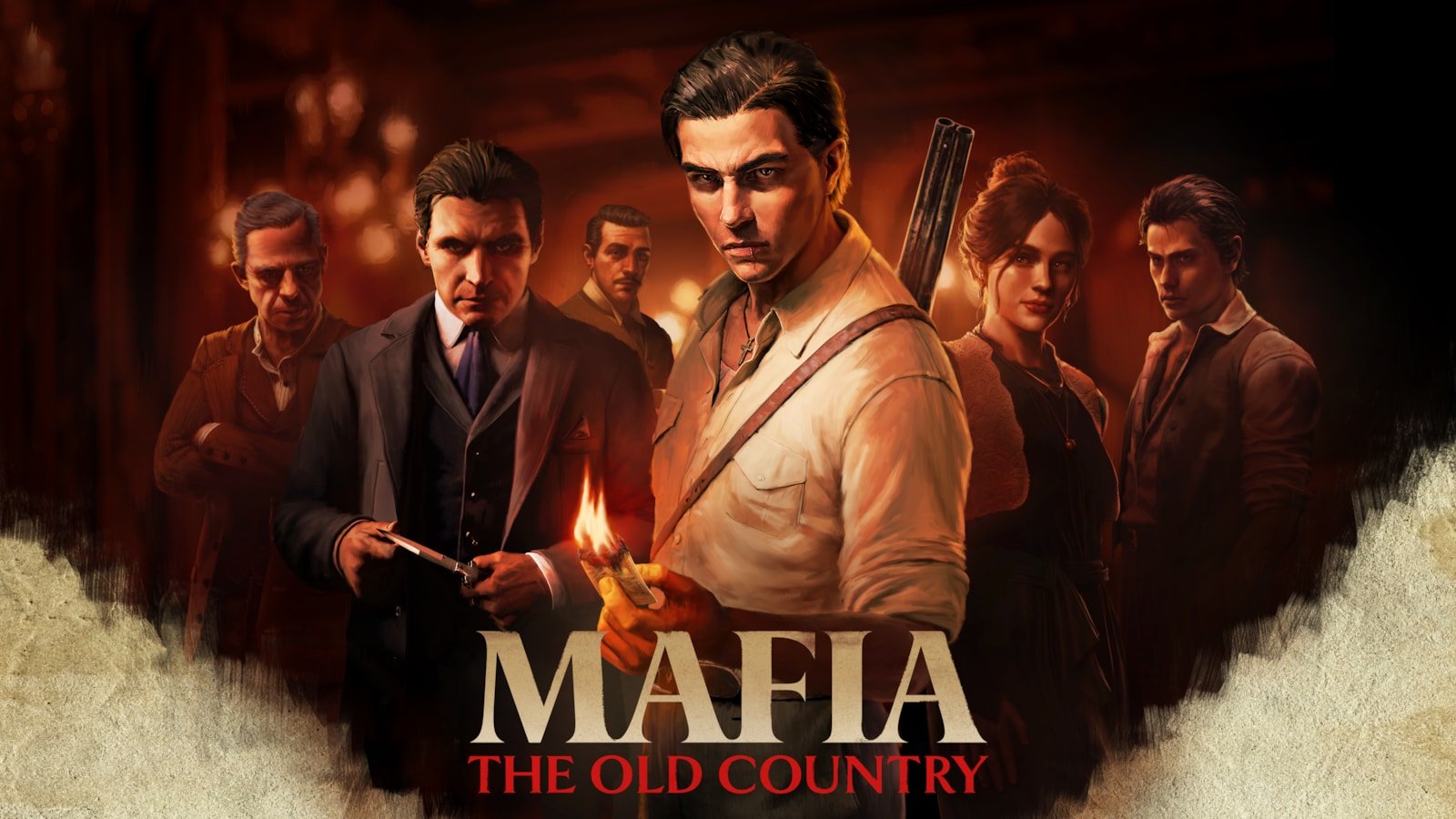
I really love Mafia: The Old Country. Not because it is enormous. Because it knows when to stop.
That’s become a stranger compliment than it should be. Modern games can offer vast maps, constant updates, seasonal challenges, elaborate economies and a hundred-hour promise printed across the marketing. Some of those games are wonderful. But there is something deeply refreshing about starting a criminal story, becoming absorbed in its world and reaching an ending before the experience turns into an unpaid second job.
The Old Country takes us to early-1900s Sicily and builds a contained, old-fashioned gangster adventure. It doesn’t need to pretend it’s another GTA or a permanent online hobby. That modesty can feel almost revolutionary.
The difference between a world and a playground
A richly constructed setting does not automatically need to provide unlimited freedom. Sicily’s villages, countryside, estates and dangerous loyalties are part of the story’s atmosphere. Their value isn’t measured by how many side quests are scattered across the map. They create a place where the characters’ choices feel connected to a particular time and culture.
Open-world design often asks: what could the player do here? A focused narrative asks: what matters to the people who live here? Both questions are legitimate, but they produce very different rhythms. In Mafia, the world can be convincing without being a checklist. A road matters because of the conversation happening on it, not because it leads to a collectible.
The game borrows heavily from crime-film conventions. There are familiar loyalties, betrayals, rituals and ambitions. That’s a valid criticism: familiarity can drift into predictability. But familiar material can still work when the setting and presentation give it personality. You don’t judge every gangster movie solely on whether it invented a new definition of betrayal.
What the critics saw — and where I disagree
PC Gamer argued that the familiar crime plot and repetitive encounters weren’t compelling enough to sustain even its roughly 13-hour length. That isn’t a demand for more content. It’s a serious point: shorter doesn’t necessarily mean tighter. If missions repeat without changing the stakes, the lack of bloat doesn’t magically make them excellent.
But RogerEbert.com celebrated the game’s cinematic quality and the pleasure of a contained adventure. VGC also found value in its beautiful setting and return to linear storytelling despite its conventional structure. Same game, different weights assigned to atmosphere, originality and pacing.
For me, that’s the whole argument. I like knowing what kind of experience I’m buying. I don’t need every game to test my endurance or invent an endlessly expanding system. If the characters, music, setting and story are where the game invests its energy, I’ll happily meet it there.
When did finishing become a problem?
There is a peculiar feeling of guilt built into some discussions of game length. If a game lasts twelve or fifteen hours, people immediately calculate a price-per-hour figure. If it lasts eighty, it appears to be a bargain even if forty of those hours are repetitive travel, sorting inventory and filling progress bars.
But entertainment isn’t measured like a bulk purchase. A twelve-hour game that stays in your mind for months may be a better use of money and attention than an open world you abandon halfway through. The valuable unit isn’t the hour. It’s the experience you had during that hour.
This doesn’t mean shorter games deserve a free pass. If the story is weak or the mechanics are dull, there is less room for recovery. A tightly designed game has to make its limited time count. I simply reject the idea that content volume is the standard against which every adventure should be judged.
The tyranny of endless engagement
Daily tasks can encourage players to return. Seasonal updates can keep a community alive. Cooperative worlds can become places friends meet every week. Those are real strengths, and I don’t want them abolished.
But when every successful game is expected to become a service, the experience starts asking something different from the player: stay here, log back in, keep up, don’t miss the next thing. Leisure becomes a schedule. Completion becomes an interruption to a system designed not to end.
A self-contained campaign makes a different promise. It says, here’s the story; give it your attention, then take what you enjoyed and go live your life. There’s a kind of respect in that. A game can be valuable because it leaves you free to play something else.
Mafia isn’t GTA. That’s why it matters.
Our GTA 6 criticism asks whether Rockstar’s growing realism comes at the expense of spontaneous fun. Mafia: The Old Country presents almost the inverse proposition: don’t promise complete freedom; promise a particular adventure, then deliver it cleanly.
It would be a mistake to expect Mafia to behave like GTA, just as it would be absurd to tell GTA fans they must be satisfied with an entirely linear crime drama. The point is that games can be different. We should resist forcing them toward the same giant commercial template.
Sometimes the boldest thing a modern game can do is tell its story, roll the credits and trust that enough was enough.
The Review Obsession · Part 5 of 7. Previous: Sometimes I Just Want to Watch a Stupid Movie. Next: Cyberpunk 2077 Was Broken. Then It Got Better. Can Reviews Change?. Start the series.