Belladonna of Sadness Is Animated Art for Adults
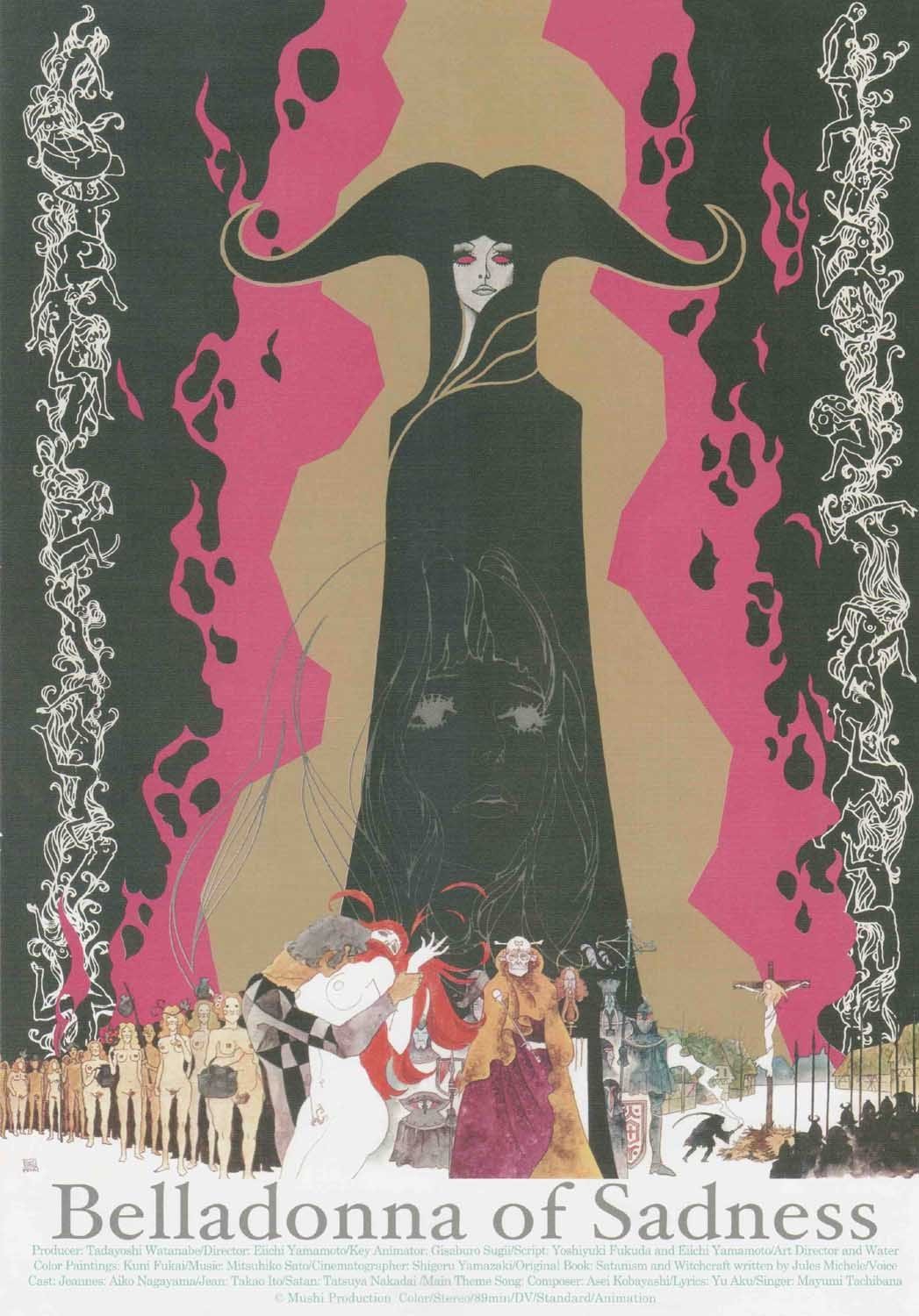
A painting can hold still while a movie moves through it. Belladonna of Sadness finds a form of cinema between those two states, using watercolor, illustration and occasional bursts of motion to build a psychological landscape unlike the naturalism most viewers expect from animation.
Eiichi Yamamoto’s 1973 film was developed within the adult-oriented Animerama tradition and has become better known through later restoration and repertory screenings. Its narrative involves sexual violence and oppression; any recommendation has to be candid about that content rather than treating the disturbing imagery as decorative spectacle.
A film that refuses normal motion
In mainstream animation, the drawings usually exist to create a convincing flow of movement. Here, the stillness of an image can become the dramatic center. The camera travels across a painted surface, allowing scale, pattern and color to replace the usual choreography of animated action.
That formal choice is not simply a budgetary workaround. It asks the viewer to contemplate figures as art objects while a story of power and violation unfolds. The visual beauty can sit in severe tension with the cruelty of the events, which is precisely why the film is difficult to discuss.
The adult label does not tell the whole story
Calling the film ‘adult animation’ risks reducing it to explicit material. Its artistic interest lies in the relationship between female subjectivity, symbolic imagery and the visual traditions it draws upon. Watercolor can become a form of emotional exaggeration; decoration can suddenly feel like a trap.
None of that automatically excuses problematic imagery. A contemporary viewer may find the depiction of violence exploitative, even while admiring the craft. The valuable critical response is to keep both assessments in play rather than insisting that artistic importance means moral immunity.
Why restoration changed the conversation
For years, the film was difficult to encounter in a convincing presentation. A restored edition makes its painterly textures and color relationships easier to evaluate. That matters unusually much for a film whose imagery carries so much of the narrative argument.
The restoration also invites a broader question: which forms of animation were historically treated as marginal because they did not resemble family entertainment? Rediscovering one strange work should expand our idea of the medium, not simply add another title to a cult checklist.
Where to begin
Approach this as challenging experimental cinema, not a conventional anime recommendation. Content warning: sexual violence and disturbing imagery. If you explore it, pay close attention to the movement between painted stillness and sudden animation.
Follow the Rabbit Hole
For another creative route into these questions, see Angel’s Egg: Why This Cryptic Anime Still Feels Like a Dream and The Wolf House Is Stop-Motion Horror Unlike Almost Anything Else. The connections concern creative choices and themes, not unverified direct influence.
Sources: Turner Classic Movies historical profile · Restoration background. PYLCROW analysis.