Passive income isn’t as passive as they tell you
Passive income is real, but it almost always needs a lot of money, a lot of work up front, or ownership of something people value. Everyone wants money while they sleep. Few people explain the years of effort or the capital that usually comes first. Here’s the honest version, from someone who has chased a few of these.
Not financial advice. This is general education drawn from my own ten years of investing, not personal investment, tax or legal advice. Every number here is a hypothetical example unless a source says otherwise.
Why does passive income need money, work or ownership?
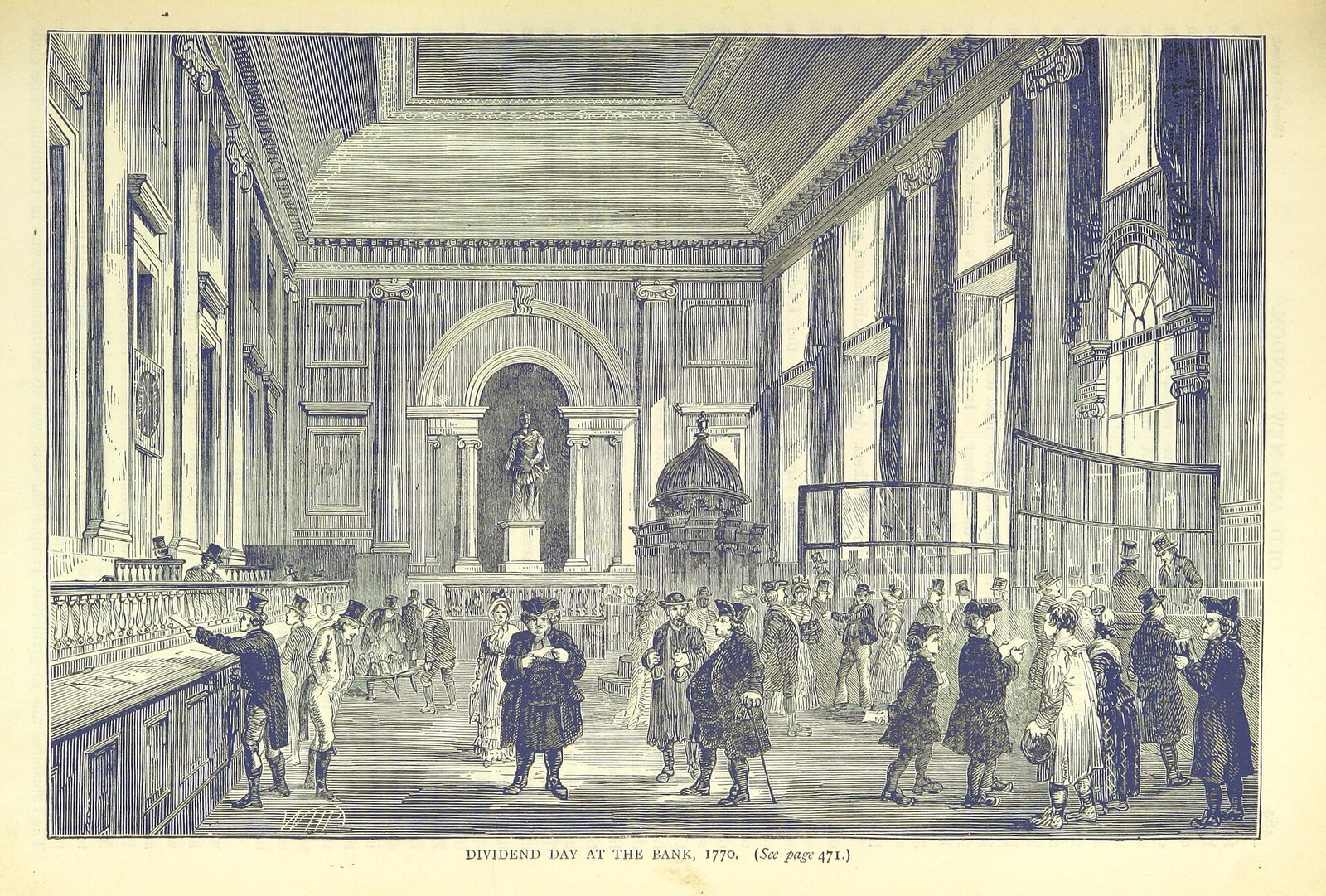
Because someone has to pay you, and they pay for something. Most passive-income ideas need serious capital or serious effort before they pay anything. Investments, websites, digital products and businesses can all produce future income. None of them produces effortless, guaranteed payments. People have been lining up for dividends for centuries, as the 1770 engraving at the top of this page shows, but somebody had to put the money in first.
How much money does dividend income need?
At a hypothetical 4% yield, $50,000 invested would generate about $2,000 a year before fees and taxes, and only if the payouts hold. That’s a lot of capital for a modest income, and the investment itself can still fall in value. We go through the catches in dividends explained.
| Invested | Yearly income at 4% |
|---|---|
| $25,000 | $1,000 |
| $50,000 | $2,000 |
| $300,000 | $12,000 |
Can a website or digital product be passive income?
It can earn from ads, affiliate links or products. But traffic, trust, quality, competition and upkeep don’t disappear after launch. A site with thousands of automated pages and no real audience isn’t a business. In my experience the “passive” part arrives late, if at all, and only after a long stretch of very active work.
Does AI make passive income easy?
AI is useful. It can help with building, writing, research and repetitive tasks. What it can’t do is make people want something that solves no problem. Automation improves the economics of something already useful. It doesn’t create customers. Be especially wary of anyone selling “AI trading bots” with guaranteed returns: the SEC has issued an investor alert on AI-related fraud.
Pylcrow’s take
A better question than “How can I get money without working?” is “What can I build or own that may keep producing value?” Start with the boring foundations in why your first $1,000 matters, and grow your earning power, because when your savings are small, what you earn matters more than the return you chase.
Frequently asked questions
Is passive income real?
Yes, but it usually takes significant money, upfront work or ownership first, and it often needs ongoing maintenance.
How much do I need to invest to make $1,000 a month passively?
At a hypothetical 4% yield, about $300,000, before taxes and fees, and payouts can change.
What is the easiest passive income for beginners?
There’s no easy version that’s also reliable. Saving and investing regularly in diversified funds is slow but simple.
Can AI make me passive income?
AI can make useful work faster, but it doesn’t create demand. Promises of guaranteed AI profits are a red flag.
What should you read next?
This is part 8 of 10 in Pylcrow Money: the real picture, a starter series written from ten years of getting some of this right and some of it wrong.
Next in the series: The market crashed. Do you need to do anything?
The full Pylcrow Money starter series:
- Investing explained: it’s not as complicated as people make it sound
- Before you buy your first stock, read this
- ETFs explained: how one purchase can mean owning hundreds
- The internet is obsessed with making you rich
- Dividends explained: what’s the catch?
- Stocks, bonds, gold and cash: what does each one do?
- Why your first $1,000 matters more than you think
- Passive income isn’t as passive as they tell you
- The market crashed. Do you need to do anything?
- If I had to learn investing again, this is where I’d start
Before you act on any of this
Not financial advice. Pylcrow Money is general educational material, not individual investment, legal or tax advice. All examples are hypothetical and are not a forecast or a promise of returns. Investing involves risk, including losing money. Which funds you can buy, and the fees, taxes, rules and currency costs that apply, depend on where you live and on your own situation. If you are unsure, speak to a licensed adviser in your country. Read our full disclaimer.
By Pylcrow. Last reviewed: November 2, 2026.
Sources: Investor.gov (SEC): fund distributions; Investor.gov (SEC): artificial intelligence and investment fraud; Investor.gov (SEC): build wealth over time through saving and investing. Top image: “Dividend Day at the Bank, 1770” from Old and New London (1887), public domain via Wikimedia Commons.