Before you buy your first stock, read this
Before you buy your first stock, make sure you understand what you’re buying, why, and that you won’t need the money any time soon. Opening an account takes ten minutes. The thinking takes longer, and it matters more. I learned that the expensive way in my first years, so here’s the checklist I wish I’d had.
Not financial advice. This is general education drawn from my own ten years of investing, not personal investment, tax or legal advice. Every number here is a hypothetical example unless a source says otherwise.
What is a stock, really?
A stock is ownership, not a lottery ticket. When you buy a share, you own a tiny slice of a business. Its price reflects what other investors are willing to pay, not simply how impressive the company is.
This is the bit that caught me out early on: a great company can still be a disappointing investment if you paid too much for it. Loving the product and making money from the shares are two different things.
Can you afford to lose this money?
If you need the money for rent, debt, bills or emergencies in the near future, volatile investments probably aren’t the right home for it. Build a cash buffer first. Financial stability comes before chasing market returns.
The reason is practical, not moral. Markets don’t schedule their falls around your bills. If you’re forced to sell during a drop to pay for something urgent, you lock in the loss. The SEC’s investor site says the same: build an emergency fund and deal with high-interest debt before you invest.
Why are you buying it?
“I saw it on TikTok” isn’t an investment thesis. Try writing down, in a few lines:
- What the company sells, and who pays for it.
- How it actually earns money.
- What could go right, and what could go wrong.
- Why today’s price looks reasonable to you.
If you can’t answer, that’s not failure. It just means you need to learn more first, which is a perfectly good decision. It’s also the Pylcrow 3-question test in action: what do I own, how does it make money, and how can I lose?
Do you have to pick individual stocks at all?
No. A diversified ETF can give you a slice of many businesses in one purchase. It doesn’t remove market risk, but it limits the damage one failing company can do. For many beginners that’s worth considering before stock-picking. We explain how in ETFs explained.
What if everyone says you have to buy now?
Then slow down. Urgency is one of the oldest sales tools there is, and it’s all over social media. In ten years I’ve never once regretted waiting a day to think. I can’t say the same about the times I rushed. There will always be another opportunity. More on that in the internet is obsessed with making you rich.
Pylcrow’s take
Urgency isn’t evidence. Start now, yes, but start with money you can leave alone, a reason you can explain, and the patience to hold it through the boring and the scary bits.
Frequently asked questions
How much should my first stock purchase be?
An amount you could see fall sharply without it affecting your bills or sleep. There’s no universal number. It depends on your income, savings and debts.
Should a beginner buy individual stocks or ETFs?
Many beginners start with a broad, diversified fund because one company’s failure can’t sink it. Individual stocks need more research and carry more single-company risk.
Is a famous company a safe stock?
Not automatically. A well-known company can still fall a lot, especially if its share price was already high when you bought.
What should I do before opening a brokerage account?
Know your monthly costs, build an emergency fund, and look at any expensive debt first. Then learn the basics of what you plan to buy.
What should you read next?
This is part 2 of 10 in Pylcrow Money: the real picture, a starter series written from ten years of getting some of this right and some of it wrong.
Next in the series: ETFs explained: how one purchase can mean owning hundreds.
- Investing explained: it’s not as complicated as people make it sound
- Before you buy your first stock, read this (you are here)
- ETFs explained: how one purchase can mean owning hundreds
- The internet is obsessed with making you rich
- Dividends explained: what’s the catch?
- Stocks, bonds, gold and cash: what does each one do?
- Why your first $1,000 matters more than you think
- Passive income isn’t as passive as they tell you
- The market crashed. Do you need to do anything?
- If I had to learn investing again, this is where I’d start
Before you act on any of this
Not financial advice. Pylcrow Money is general educational material, not individual investment, legal or tax advice. All examples are hypothetical and are not a forecast or a promise of returns. Investing involves risk, including losing money. Which funds you can buy, and the fees, taxes, rules and currency costs that apply, depend on where you live and on your own situation. If you are unsure, speak to a licensed adviser in your country. Read our full disclaimer.
By Pylcrow. Last reviewed: November 2, 2026.
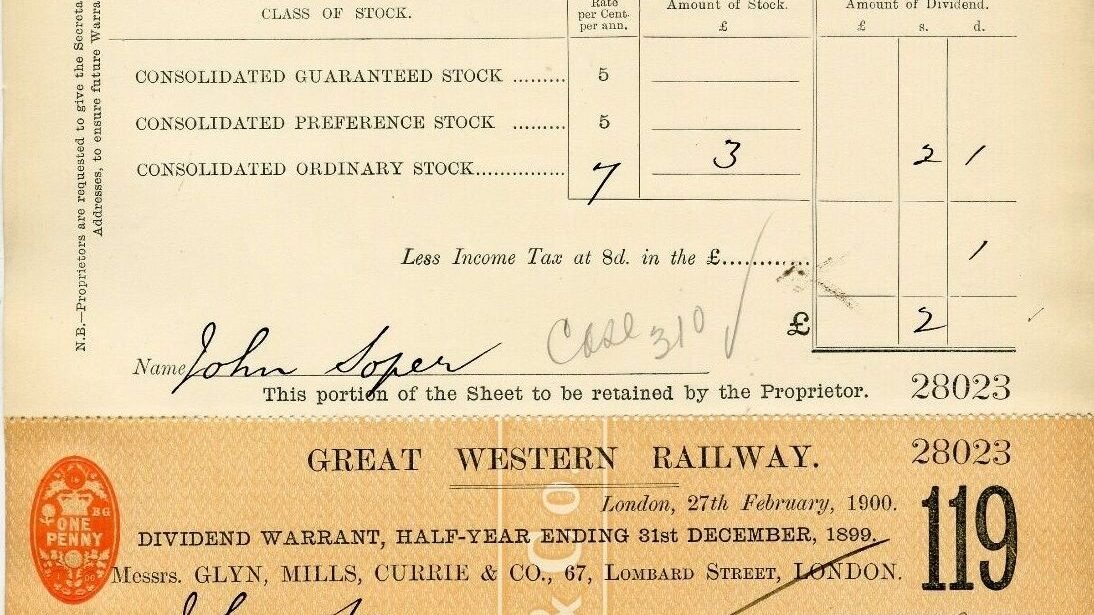
Sources: Investor.gov (SEC): build wealth over time through saving and investing; Investor.gov (SEC): asset allocation and diversification; Investor.gov (SEC): social media and stock tip scams. Top image: a Great Western Railway share certificate from 1899, public domain via Wikimedia Commons.