Sylvester Stallone Is Still One of Hollywood’s Most Compelling Stars
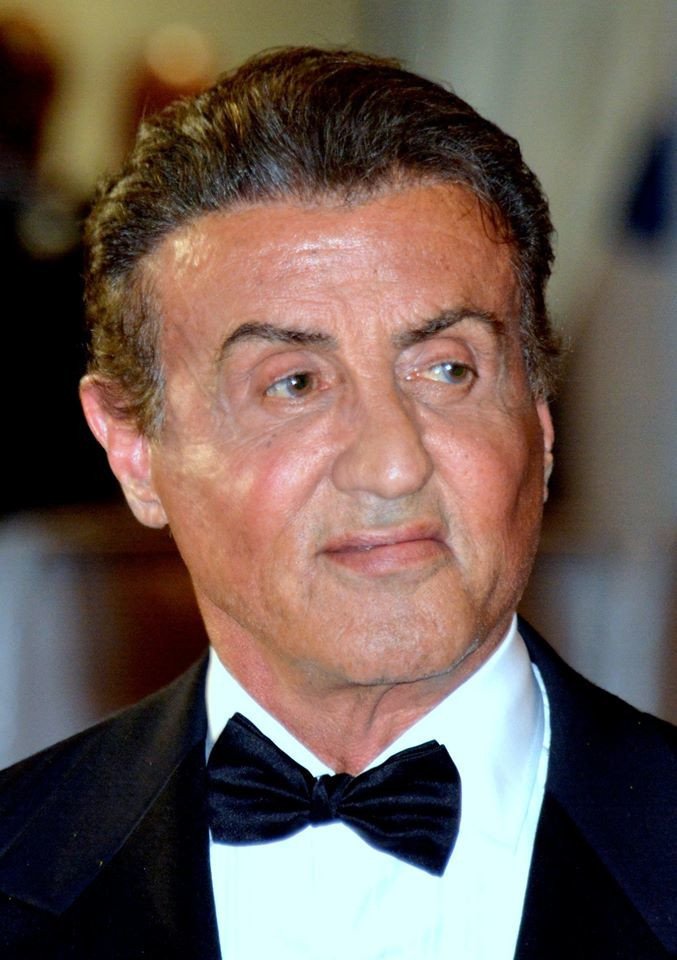
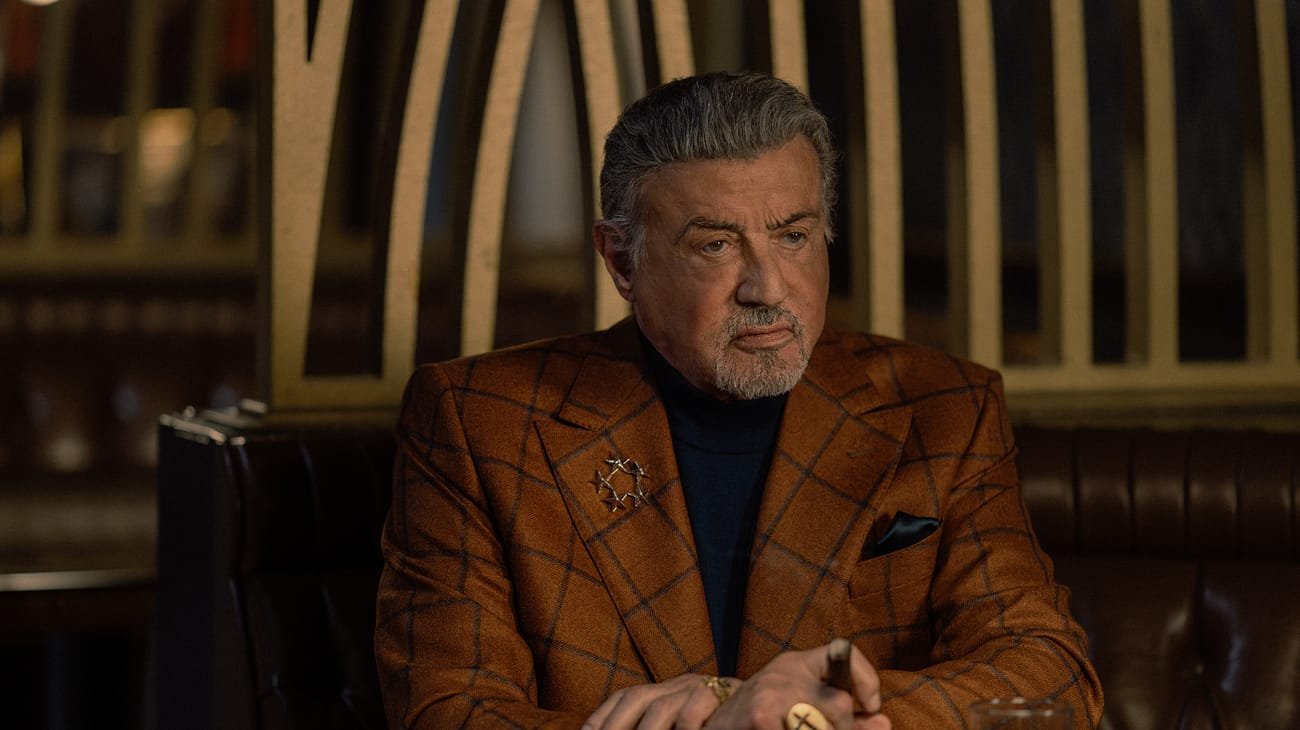
Watching Sylvester Stallone in Tulsa King today, it is striking how naturally he can make a new character feel like an old favorite. At 80, he is fronting his own crime series, finding comedy in his familiar tough-guy persona and giving audiences another reason to tune in every week.
Fifty years after Rocky, Stallone remains a working star with an extraordinary range of films behind him and more stories to tell. What makes him interesting right now is the same creative instinct that made him fascinating in 1976: his willingness to find something new in the characters audiences think they already know.
PYLCROW in brief: Opinion: Stallone deserves recognition as a writer, director and actor, not merely an action icon. Rocky, First Blood, Cop Land, Creed and Tulsa King reveal five decades of reinvention.
Rocky was an act of authorship
The crucial fact about Rocky is not its boxing scenes. Stallone wrote the screenplay and starred in the film. It was a character built around the things a conventional leading man was not supposed to be: a bruised face, an uncertain future, a modest vocabulary and a desperate need to be taken seriously. The romance with Adrian and the quiet conversations matter as much as the fight.
The 1977 Academy Awards gave Rocky Best Picture, Director and Film Editing; Stallone received nominations for acting and screenplay. He did not personally win an Oscar that night. The distinction matters because his achievement was artistic rather than a borrowed trophy: he created the role through which audiences discovered him.
As our I Play Rocky feature explores, the struggle to become the protagonist of his own story became a story in itself. Decades later, that origin remains more inspiring than a polished myth of effortless stardom.
Watch the original Rocky trailer from MGM. · Watch the official Creed trailer from Warner Bros.
First Blood understood something its imitators often missed
The original First Blood (1982) is a story about a Vietnam veteran who cannot find a place in civilian society. It contains action, but the action is not the whole point. The emotional breakdown at the end reveals a human being beneath a near-mythical capacity for survival.
Later Rambo films became larger and more overtly militaristic. They are a different kind of entertainment, and they sometimes eclipse the vulnerability of the original. Stallone’s cultural significance includes both the spectacle and the contradiction: he helped define the muscular action hero, then repeatedly demonstrated that physical power cannot repair emotional isolation.
The era of excess and the freedom to fail
In the 1980s and 1990s, Stallone became a shorthand for a particular type of blockbuster. Cobra, Tango & Cash, Cliffhanger and Demolition Man made his personality part of the product. He was competing in a landscape that also included Arnold Schwarzenegger, Bruce Willis and other hugely recognizable stars.
But look beyond the successful brand and the oddities appear. A frantic farce in Oscar. A country-musical comedy opposite Dolly Parton in Rhinestone. A political labor drama in F.I.S.T. A football escape film in Victory. Not all those experiments worked, and some are legitimately awkward. His willingness to experiment makes his filmography far more interesting than a collection of hits.
Not every experiment works, but that freedom to take creative risks is one of the things we admire about Stallone.
Cop Land is the performance people should revisit
James Mangold’s 1997 drama casts Stallone as Freddy Heflin, a sheriff overshadowed by more powerful police officers. His physical presence no longer automatically means authority. He has to convey disappointment, hesitation and the slow discovery of moral courage.
Placed beside Robert De Niro, Harvey Keitel and Ray Liotta, Stallone does not need to outshout the cast. His restraint is the performance. If the familiar objection is that Stallone can only play Stallone, Cop Land is the most direct rebuttal. His official biography also identifies it as a significant departure in his career.
Creed proved that giving up the spotlight is its own strength
Rocky Balboa (2006) revisited the character as an older man facing grief and irrelevance. Creed (2015) went further. Ryan Coogler and Michael B. Jordan built a new story in which Stallone’s most famous character could no longer be the center of every scene. Instead he became the mentor, carrying the weight of a history that the new protagonist did not have.
The 2016 Academy Awards nominated him for supporting actor. He won a Golden Globe for the performance. The recognition was meaningful because it came from allowing Rocky to age rather than pretending he was still the man who ran up the steps in 1976.
| Era | Key work | What Stallone demonstrates |
|---|---|---|
| 1970s | Rocky / F.I.S.T. / Paradise Alley | Writing, dramatic ambition and creative ownership. |
| 1980s | First Blood / Rocky sequels / Cobra | A global screen persona and the limits of that persona. |
| 1990s | Oscar / Demolition Man / Cop Land | Comedy, spectacle and understated drama. |
| 2000s–2010s | Rocky Balboa / Creed / The Expendables | Reinvention and the ability to share a franchise. |
| 2020s | Tulsa King / Sly | A new television audience and fresh creative possibilities. |
Tulsa King is Stallone’s latest reinvention
Dwight Manfredi is not a younger man’s role dressed up for a veteran star. His age is essential to the joke, the conflict and the emotional premise. The character’s history is visible in the way he carries himself. It is difficult to imagine the same series with a 35-year-old lead.
Four seasons into Tulsa King, Stallone is making a compelling case for a different kind of leading man: experienced, funny, unpredictable and fully capable of carrying a contemporary series. We want to see where he takes Dwight next.
For more personal context, Netflix’s 2023 documentary Sly traces his relationship with cinema, ambition and childhood. A documentary centered on its subject is not an independent verdict on the man, but it is a valuable companion to his films.
The PYLCROW take: Stallone has plenty more to offer
We love Stallone for the variety of his work, from the vulnerability of Rocky to the comic timing of Oscar and the quiet intensity of Cop Land. His ongoing television career is an invitation to rediscover that range, not a reason to put his achievements behind glass.
We are enjoying Tulsa King precisely because Stallone is doing something different with the screen presence he has spent decades developing. And while we catch up with season four, we are equally excited to revisit the films we missed. What will he do next? That is a question we still want answered.
Explore the PYLCROW Stallone series
- Tulsa King Is the Kind of Television We Forgot We Loved
- Beyond Rocky and Rambo: 30 Stallone Films Worth Revisiting
Frequently asked questions
Did Sylvester Stallone win an acting Oscar?
No. He received acting and writing nominations for Rocky and a supporting-actor nomination for Creed.
What is Stallone’s most underrated dramatic performance?
PYLCROW recommends Cop Land, followed by F.I.S.T. and the original First Blood.
Did Stallone write Rocky?
Yes, he wrote the screenplay and starred in the film.