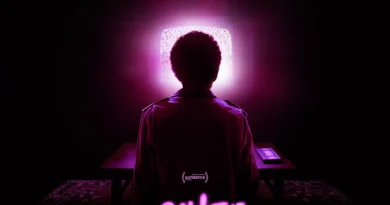
Tom Cruise Is a Genius. Digger and Les Grossman Prove It.

Tom Cruise deserves another Oscar. Actually, forget one. Give him three. One for what he made Mission: Impossible mean to the theatrical experience. One for bringing Top Gun roaring back. And one for Digger, the gloriously deranged movie that reminded me how extraordinary an actor he can be.
I saw Digger, and I loved it. The performances, the cast, the story, the dark humor — every time I thought I had a grip on its madness, the movie found a new direction to go. It was funny in the darkest, most uncomfortable ways. And at the center was a Tom Cruise I barely recognized.
But before anybody calls this some miraculous rediscovery of Cruise’s acting talent, we need to talk about a certain bald, foul-mouthed Hollywood executive. Because Les Grossman already told us exactly what Tom Cruise was capable of.
Digger: Tom Cruise Is 64 and Somehow Disappears Into an Older Man
In Alejandro G. Iñárritu’s Digger, Cruise plays Digger Rockwell, a larger-than-life oil tycoon caught in a catastrophically absurd crisis. He’s not playing the indestructible Ethan Hunt or the charismatic Maverick. His face is changed, his body is heavier, and even the way he speaks seems to belong to somebody else.
The prosthetic work from Oscar-winning artist Kazu Hiro is astonishing. Cruise was 64 at release; the character is an older, worn-down man. But the brilliance isn’t the silicone, the hair, or the wrinkles. It’s what Cruise does inside them.
Watch his posture. Listen to his rhythm. Look at how willing he is to be physically ridiculous. The timing is exact even when the behavior is chaotic. For somebody synonymous with perfect control, it’s extraordinary to watch him make himself look so completely out of control.
And what a cast. John Goodman brings an entirely different level of presence, with Riz Ahmed, Sandra Hüller, Jesse Plemons and Michael Stuhlbarg adding to the movie’s bizarre energy. Goodman in particular has that almost unfair ability to make any scene feel richer simply by turning up in it.

I’ll say it: the result is fantastic. Not perfect according to some sacred screenwriting checklist. Fantastic as an experience. Sometimes that matters more.
Les Grossman: The Tropic Thunder Role That Proved He Was a Comedic Legend
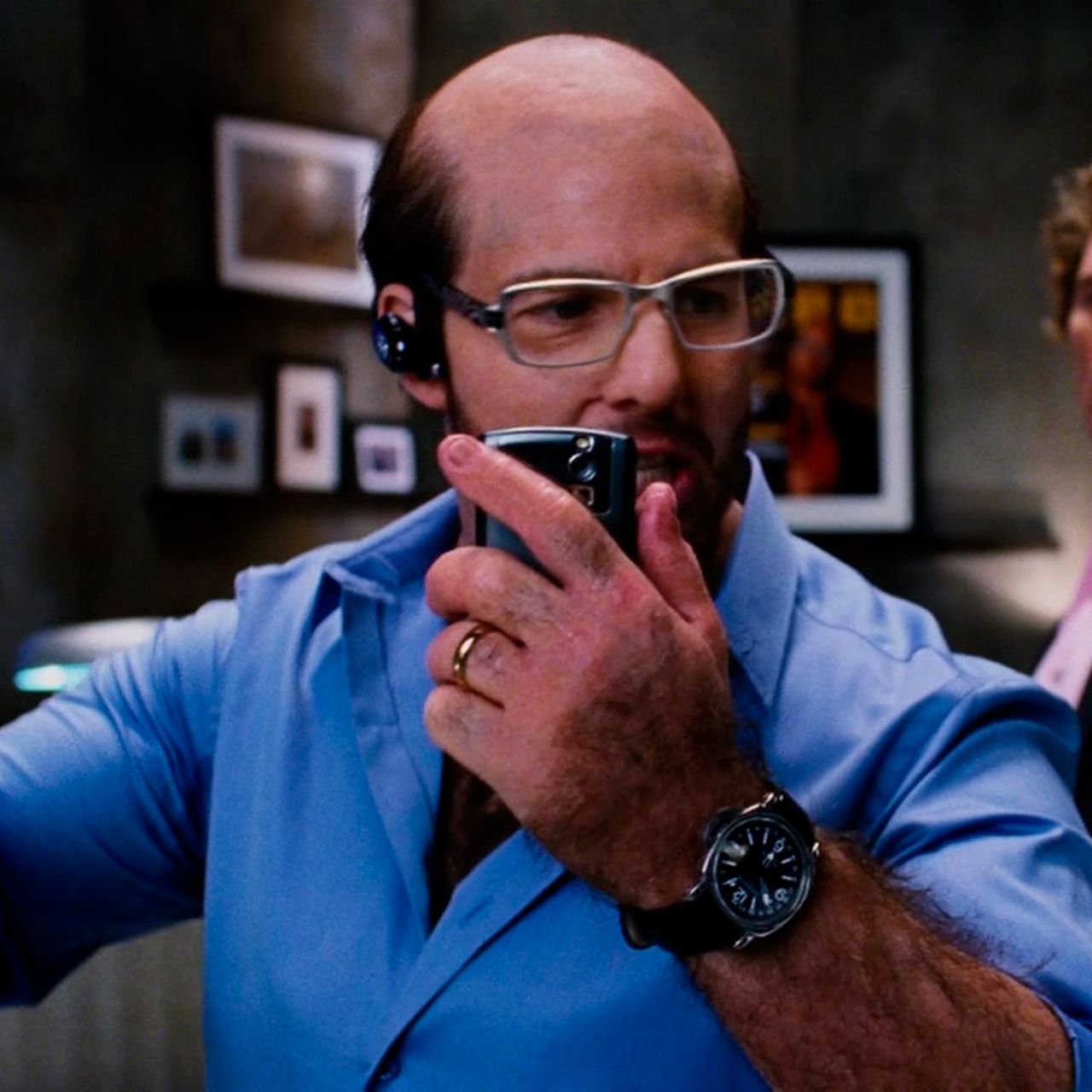
Let’s travel back to Tropic Thunder in 2008. There was Ben Stiller, Robert Downey Jr., Jack Black and a stacked ensemble tearing Hollywood’s self-importance to pieces. And then there was Les fucking Grossman.
The enormous hands. The receding hair. The glasses. The Diet Coke. The insults flying out of his mouth with the confidence of a man who believes he owns the entire planet. And, of course, that unforgettable dance.
It is one of the most legendary comedy cameos of its era. And it remains legendary.
What kills me is that Cruise doesn’t merely show up and do a celebrity joke. He commits completely. Les Grossman is repulsive, outrageous, bizarrely magnetic, and genuinely funny. The dance alone would be enough to make the character memorable. The full performance is so much better than that.
Here’s the best part: according to Ben Stiller’s own account, Cruise helped invent the character. The role wasn’t originally there in that form. Cruise suggested a studio executive, helped shape how he looked, and wanted him to dance. It wasn’t just the makeup department finding a funny disguise. The actor helped build the joke.

And it stayed with us. Cruise even revived Grossman at the 2010 MTV Movie Awards, dancing with Jennifer Lopez. A supposedly supporting bit became a pop-culture event.
There is a straight line from Les Grossman’s grotesque show-business excess to the physical absurdity of Digger Rockwell. Both characters ask a famous movie star to abandon the image that made him famous. Both are willing to look horrible and ridiculous. Both show how much comedy can live in someone’s posture, timing and absolute refusal to wink at the camera.
So please, don’t tell me Digger is the first time Tom Cruise has proved he can act. Tropic Thunder was already a warning to anyone who underestimated him.
Revisit the movie: Tropic Thunder on Paramount. Hear Stiller explain Cruise’s creative input in his Esquire interview.
Look at His Filmography Before Calling Him Just an Action Star
We have somehow reduced an extraordinary career to running, motorcycles and hanging off planes. Yes, the Mission: Impossible stunts are insane. Yes, Top Gun: Maverick reminded people why a full cinema can feel like magic. But look at the rest.
There’s the emotional vulnerability of Jerry Maguire; the unsettling self-destruction in Magnolia; the anguish of Born on the Fourth of July; the cold precision of the assassin in Collateral; the moral pressure of A Few Good Men; the strange beauty of Vanilla Sky; and the calculated comedy of Tropic Thunder.
Those aren’t variations of Ethan Hunt. That’s range.
For the record, the American Film Institute notes Cruise’s acting Oscar nominations for Born on the Fourth of July, Jerry Maguire and Magnolia. He also earned a Best Picture nomination as producer of Top Gun: Maverick and received an Honorary Oscar in 2025.
Does he literally need three more competitive Oscars to validate his career? Of course not. That’s my way of saying the scale of his contribution is bigger than any one award can hold. The acting, the physical commitment, the insistence that movies be events — we’ve benefited from all of it.
Did Critics Get Digger Wrong — or Are We Asking the Wrong Question?
As of this article, Rotten Tomatoes has Digger at roughly 52% positive critics’ reviews and 77% verified-audience approval. That gap doesn’t prove the critics are stupid, and it doesn’t prove the audience has discovered a misunderstood masterpiece. It tells us people are seeing the same film very differently.
Some reviewers think its satire is bloated, its ideas too obvious, its ambition bigger than its payoff. Read the BFI’s mixed assessment or RogerEbert.com’s review. These are real criticisms, not evidence that reviewers are scared of originality.
But my disagreement is fundamental: when did being strange, excessive and uncomfortable become such unforgivable crimes at the movies? Iñarritu’s film isn’t subtle. It isn’t designed to be. Its dark humor wants to make you laugh and immediately question the laugh. Its extravagance feels like part of its personality.
I don’t need every critic to agree with me. I do want criticism that explains what a movie is trying to do before measuring it against a different movie it never wanted to be.
A fair critic can say a daring movie failed. A lazy conversation reduces the whole thing to a Rotten Tomatoes percentage, a box-office headline and a victory lap over an expensive flop. Those are two very different things.
Ben Affleck Said What More People Need to Hear
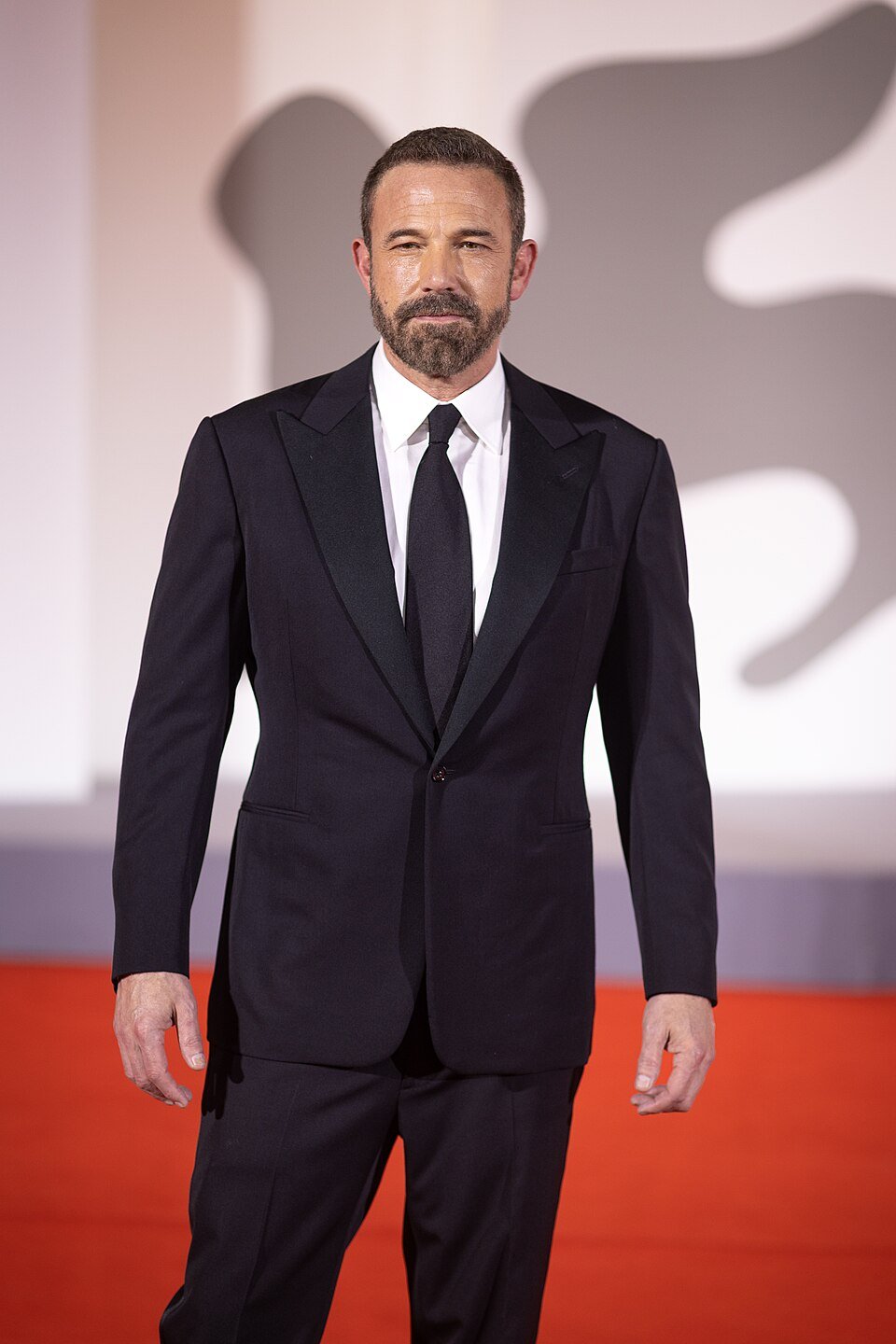
Ben Affleck defended Digger after its difficult theatrical run. During an appearance on the Happy Sad Confused podcast, he criticized the pleasure some people seemed to take in celebrating the movie’s failure. In his words, “You cannot do something interesting without taking a big swing.”
His broader warning was about the consequences of punishing risks: studios will have every incentive to retreat into safer, interchangeable products. You can read the reported interview at TheWrap or Variety’s account.
That’s exactly my frustration. People are entitled to dislike Digger. But treating an ambitious original movie’s commercial failure as some glorious public humiliation teaches Hollywood the worst possible lesson.
Another Reboot, or Another Movie That Actually Surprises Us?
Of course, franchises aren’t automatically bad. Blade Runner 2049 was extraordinary. Top Gun: Maverick proved a legacy sequel can have a reason to exist beyond nostalgia. And the best Mission: Impossible films make familiar machinery feel genuinely thrilling.
But I still cannot get over what The Matrix Resurrections did to my enthusiasm for that franchise. That’s my personal verdict, not an objective law. What frustrates me is the industry’s reflex to return, rebrand and repeat because the name is already recognizable.
Street Fighter? Resident Evil? They’re separate conversations, and I’ll gladly have them. The issue isn’t that an adaptation or reboot can never work. It’s what happens when familiar intellectual property becomes the safest answer to every creative question.
Original films can be wonderful. They can be disasters. Most importantly, they can give us something we did not know we wanted.
If you want the wider argument about how we consume and judge films, see our piece on the business of disappointment.
My Verdict: Digger Is Fantastic, and Tom Cruise Is a Genius
I didn’t leave Digger thinking about what it cost or whether it would win the Internet for a weekend. I left thinking about the acting. About John Goodman. About the insane tonal shifts and the dark humor. About a leading man at 64 still finding ways to make us look twice.
Les Grossman was legendary in 2008. He’s legendary now. And Digger Rockwell deserves to sit beside him as another example of an actor brave enough to look absurd in pursuit of something memorable.
Give Cruise his flowers. Give filmmakers room to fail. And give art the chance to be messy, offensive, funny, risky and alive.
Because I’d rather watch an unforgettable swing that divides audiences than a perfectly polished piece of nothing that never dared to surprise anybody.
Sources and viewing: Warner Bros. official Digger trailer · Ben Stiller on the creation of Les Grossman (Esquire) · Paramount: Tropic Thunder · TheWrap on Ben Affleck · Rotten Tomatoes review aggregation · Academy awards record. Film opinions are the author’s own. Source checks: November 22, 2026.
Lead photograph: Gabriel Hutchinson / WikiPortraits, Wikimedia Commons, CC BY-SA 4.0; downscaled with no other alterations.