Lake Mungo: The Horror Movie That Looks Like a Family Documentary
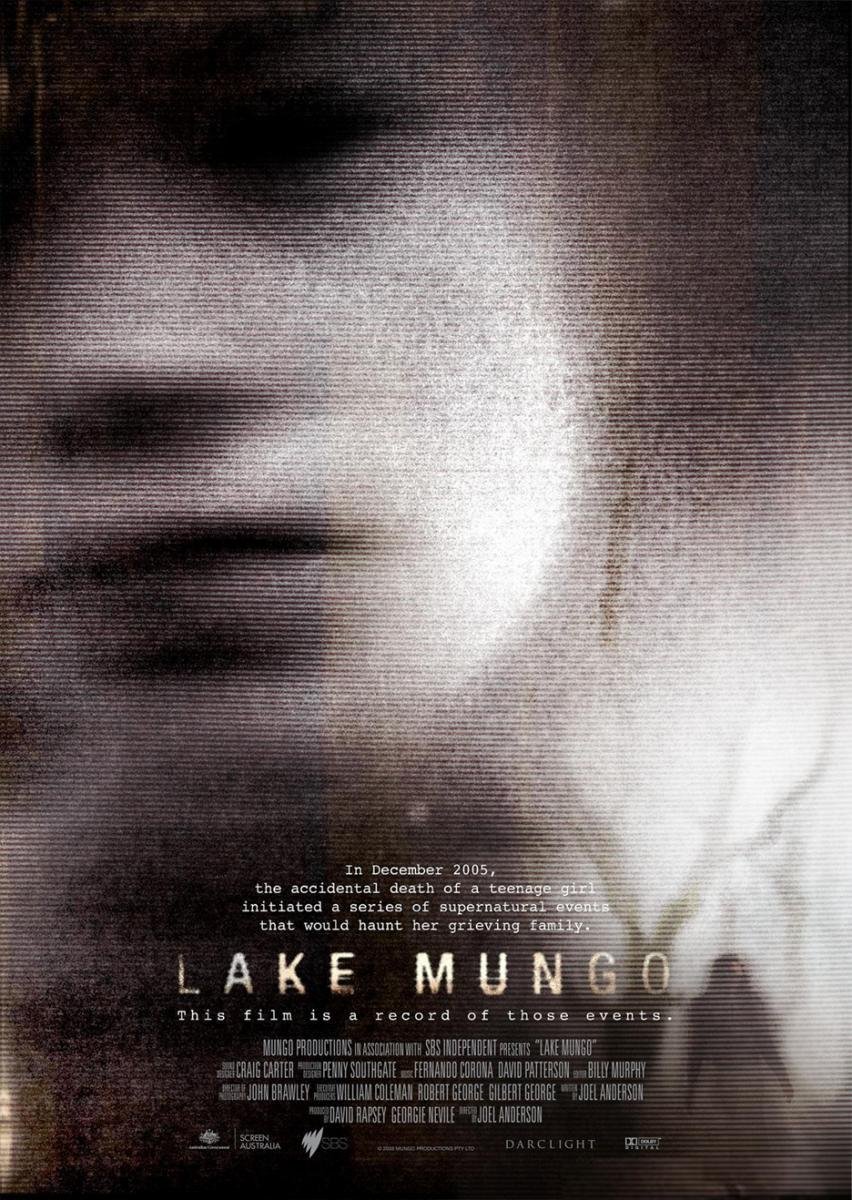
A family tries to understand the death of a daughter through interviews, photographs and strange recordings. Joel Anderson’s Lake Mungo is frightening because its documentary style makes grief feel like an investigation that can never provide the one answer the people most need.
The 2008 Australian film adopts the visual language of a documentary, inviting viewers to examine what people remember and what photographs appear to reveal. Its ghost-story elements are inseparable from the family’s incomplete understanding of one another.
The photograph as uncertain evidence
Photographs often feel more objective than memory. They appear to prove that someone or something was present in a particular place. But an image can be misread, staged or deprived of the context that would make its meaning stable.
The film exploits that uncertainty. Each new piece of evidence can deepen a family’s hope that the past can still be understood, while simultaneously revealing how fragile the earlier interpretations were.
Grief as detective work
When someone dies, the people who loved them may begin to inspect their life for clues they overlooked. A secret becomes not merely surprising but painful because it suggests that affection did not guarantee knowledge.
Anderson makes that recognizable impulse the story’s emotional center. The supernatural question matters partly because it gives shape to the family’s desire to keep asking questions of someone who can no longer answer.
Why the documentary method is effective
The restrained performances and interview structure make the fictional evidence feel like material a real investigator might have assembled. The approach can be less immediately frightening than a conventional shock-driven film.
But its quiet accumulation creates a different unease: the possibility that even a complete archive of a person’s life would not tell us what we most wanted to know about them.
Where to begin
Watch without consulting frame-by-frame spoiler guides. Pay attention to the reliability of the interviewees and to how often a new explanation changes the meaning of old images.
Follow the Rabbit Hole
Explore A Ghost Story Makes Time Itself Feel Like a Haunted House for another way into the subject.
Source: Film or festival reference. Independent Deep Cuts editorial analysis.