What really happened at Dyatlov Pass in 1959?
Smart summary
The best-supported answer to the Dyatlov Pass incident is a small, delayed slab avalanche: Russian prosecutors said so in July 2020, and a 2021 Swiss study showed how one could form above the tent. It explains the cut tent and the crushing injuries, but not every detail of that night, so parts of the case stay unresolved.
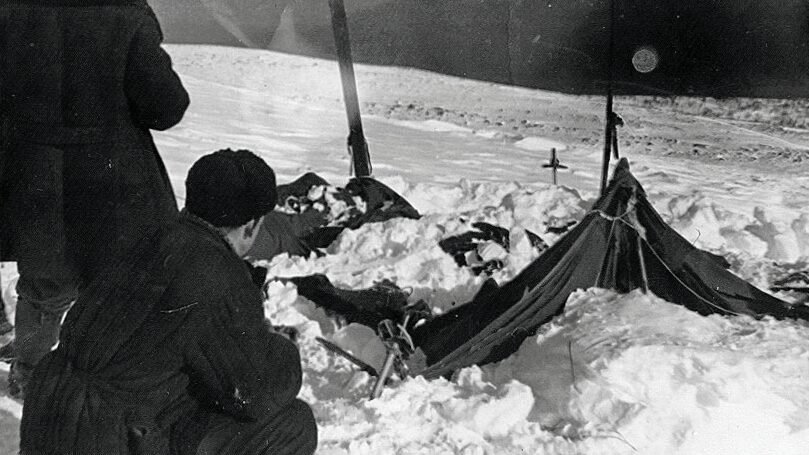
On February 26, 1959, searchers on the eastern slope of Kholat Syakhl, in Russia’s northern Ural Mountains, found a tent half buried in snow. It had been cut open from the inside. Boots, coats and food were still in it.
Below it, footprints led downhill toward the forest, left by people walking in socks or barefoot. The tent belonged to nine hikers led by 23-year-old Igor Dyatlov, a student at the Ural Polytechnic Institute. All nine were dead.
Label: Case File, mystery analysis. We keep what’s documented apart from what’s only claimed, and give a verdict at the end.
What happened at Dyatlov Pass in 1959?
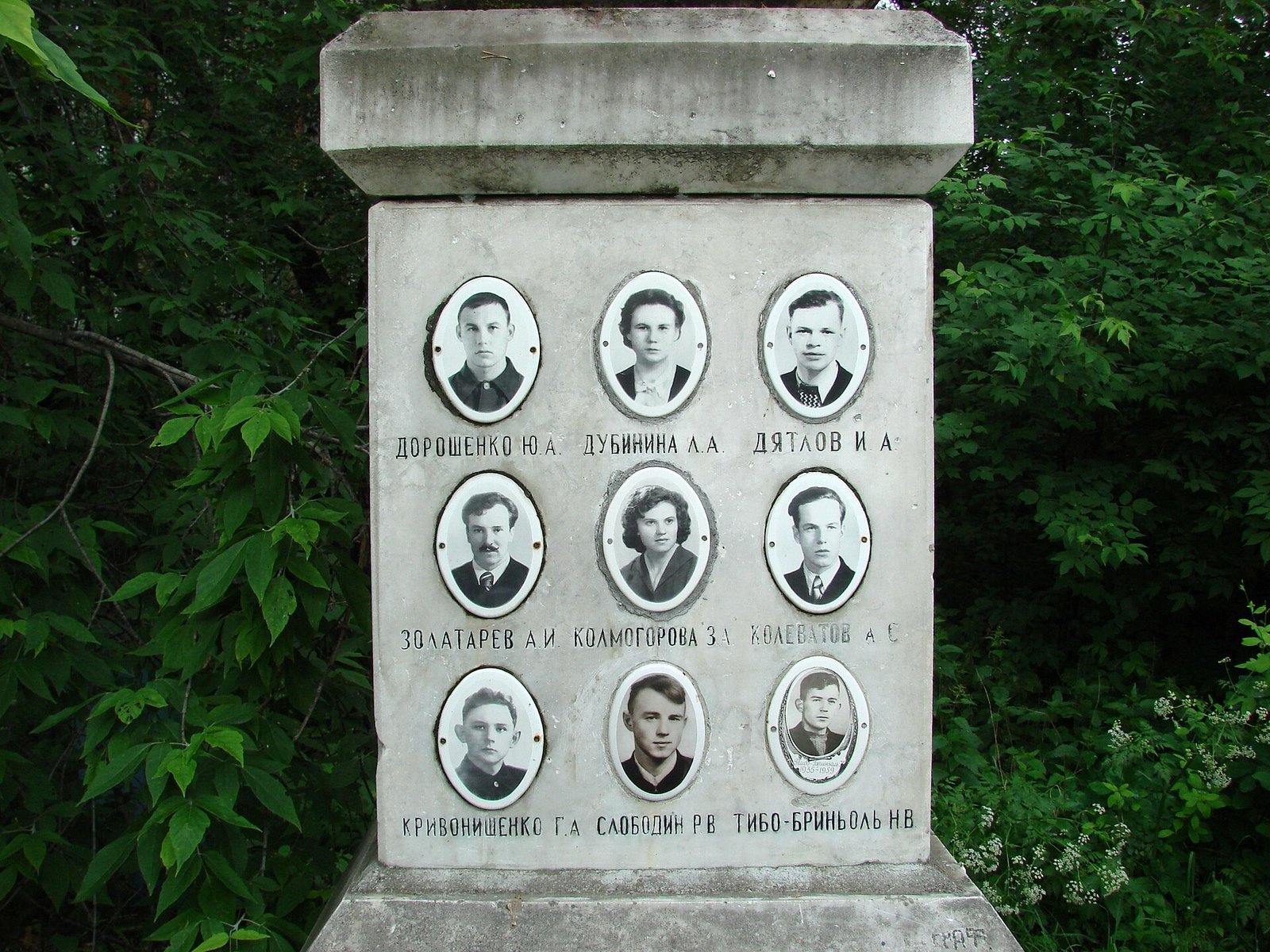
The record shows the group left the tent on the night of February 1 to 2, 1959, in deep cold, most of them in little more than underwear and socks. The first bodies, found near a cedar tree and on the slope back toward the tent, had died of hypothermia.
The last four were found in May 1959, in a ravine under deep snow. Three had severe internal injuries with few outside wounds: Lyudmila Dubinina and Semyon Zolotaryov had crushed chests, and Nicolas Thibeaux-Brignolle had a fractured skull.
A tenth member, Yuri Yudin, had turned back ill on January 28, 1959, and was the only survivor of the trip. Soviet investigators closed the case that May, blaming “a compelling natural force”, a phrase that explained nothing and fed theories for 60 years.
Was the Dyatlov Pass incident a cover-up or something else?
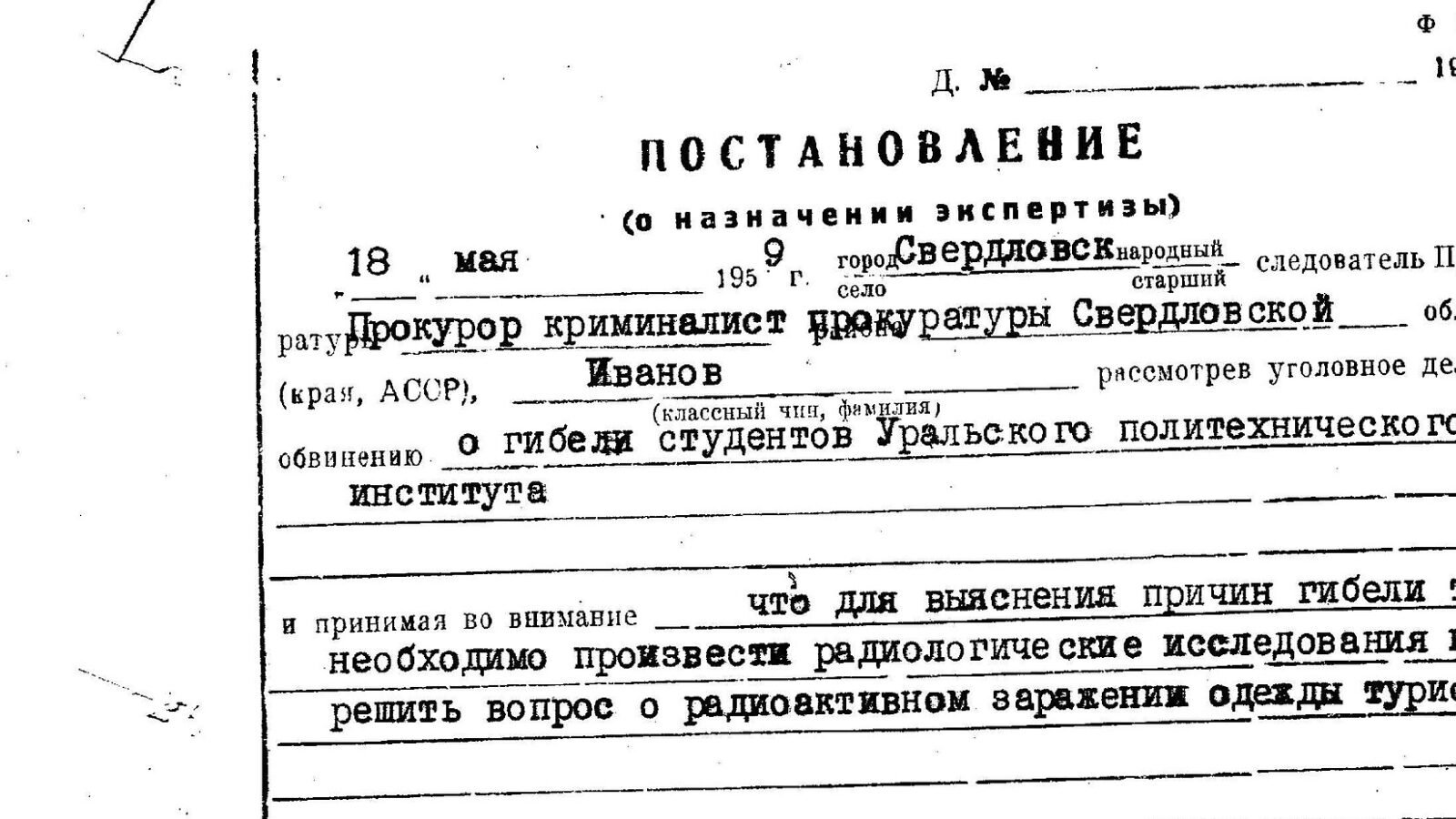
The case file itself fed the darker theories. On May 18, 1959, prosecutor-criminalist Lev Ivanov ordered a radiological test on the clothing of four of the dead, and that page became one of the most quoted details of the case.
From there came missile tests, a secret weapon, the KGB, Mansi hunters, a yeti and UFOs. When prosecutors reopened the case in 2019, they said they had ruled out any involvement by the authorities. Like the Mary Celeste, an empty scene invites stories.
The strongest argument against the official answer comes from experienced searchers, not conspiracy fans. The slope above the tent is gentle, the tent wasn’t swept away, and searchers in 1959 reported no clear avalanche debris. In 2020, the relatives told their lawyer they did not accept the prosecutor’s version.
Did an avalanche kill the Dyatlov Pass hikers?
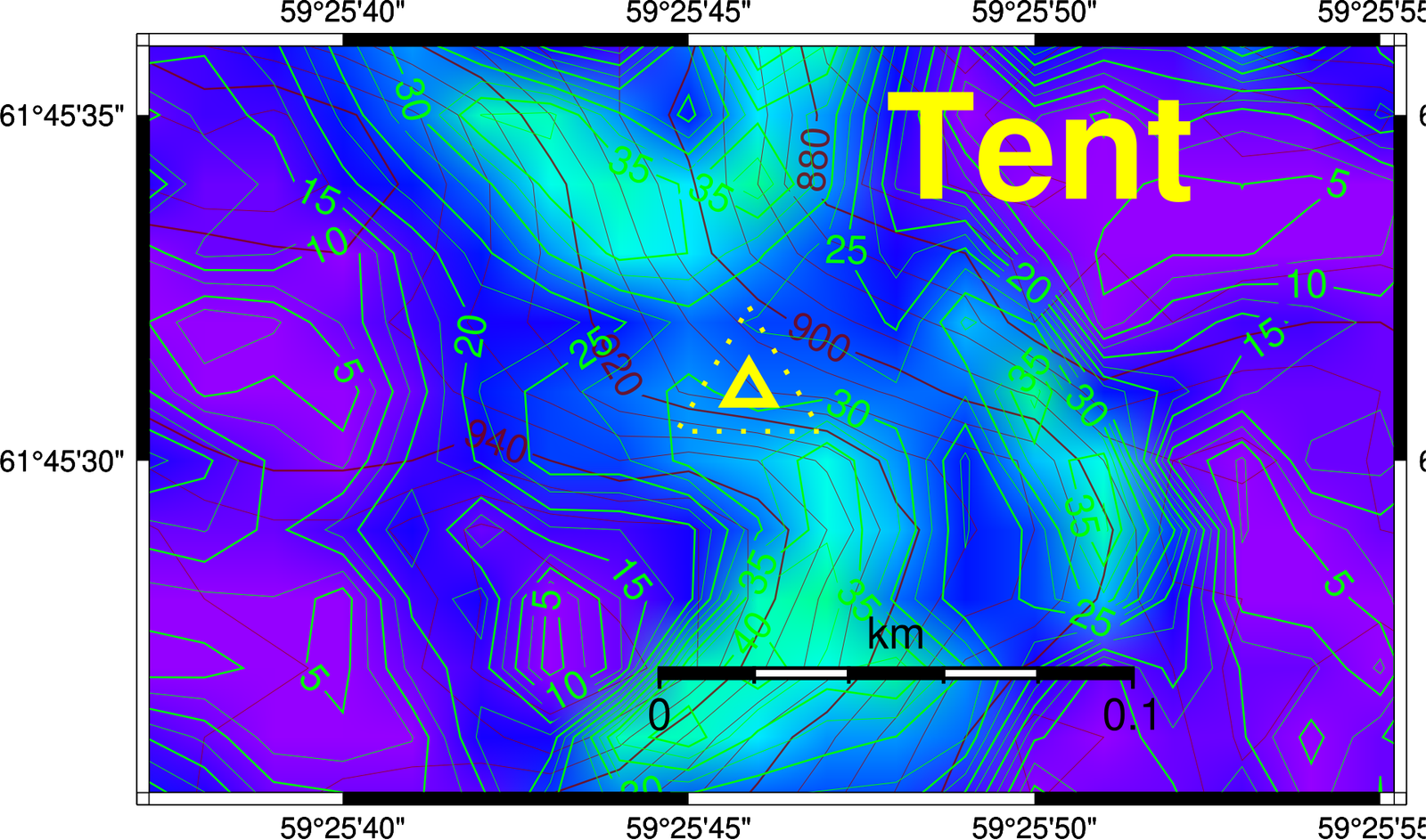
Probably, though not the kind of avalanche most people picture. In July 2020, prosecutor Andrei Kuryakov announced that a snow slab had slid onto the tent. In January 2021, Johan Gaume of EPFL and Alexander Puzrin of ETH Zurich published a model testing that idea in Communications Earth & Environment.
Their model ties the trap to the camp itself. The hikers cut into the slope to pitch the tent, wind kept piling snow above it, and the simulation put the slab’s release 7.5 to 13.5 hours after the cut, long after they went to sleep.
A block hitting at about 2 metres per second could break the ribs and skulls of people lying on hard ground, which fits the three worst injuries. A 2022 follow-up says three later expeditions and independent Russian research supported the model’s main assumptions, but the authors never claimed to explain every detail.
Pylcrow’s take: the tent was the clue all along
Go back to that tent on February 26: cut from the inside, boots still in it. For decades it looked like proof of something unspeakable.
Read next to the 2021 model, it looks like nine experienced hikers making a fast choice in the dark, hit by snow and expecting to come back. The scariest version of Dyatlov Pass isn’t a secret weapon. It’s that ordinary snow, on an ordinary-looking slope, can do this.
Verdict: the deaths, injuries and cut tent are Documented. The slab avalanche is Interpreted, and the best-supported explanation. Weapons, yetis and UFOs are Claimed without evidence, and the exact order of events that night stays Unresolved.
Quick answers
Where is Dyatlov Pass?
It’s in the northern Ural Mountains, in Russia’s Sverdlovsk region, on the eastern shoulder of Kholat Syakhl. The pass was named after Igor Dyatlov following the 1959 tragedy.
Why did the hikers leave the tent without their boots?
The model’s answer is speed: with snow pressing on the tent at night, cutting out and getting clear was faster than dressing. That reading is Interpreted, since nobody survived to describe the moment.
Read next: What sank the Edmund Fitzgerald? The theories, scored on evidence, or browse more Uncovered case files.
Sources: EPFL (the 2021 Gaume and Puzrin study); Communications Earth & Environment (2022 follow-up); TASS (2020 prosecutor’s conclusion); TASS (2019 reopening); History.com (case background). Truth labels are Pylcrow’s judgment as of November 6, 2026.