Which Batman villains could carry a movie without Batman? We ranked 6 after Clayface
Six Batman villains could carry their own movie with no Batman in it, but only a few should go first. On the Pylcrow No-Bat Test, Scarecrow comes out on top, Poison Ivy is the biggest opportunity, and a quiet man with a puppet is the dark horse nobody is talking about. Killer Croc, Man-Bat and Prometheus all have a case, but each one has a problem DC would need to solve first.
This list started with a video by YouTuber GothamPaladin, who picked five villains he thinks deserve the Clayface treatment. We took his five, added one he didn’t mention, and scored all six against the same five questions. Where we agree, we say so. Where we don’t, we say that too.
What is the “Clayface treatment”?
It’s a simple idea: take a Batman villain, leave Batman out, and let the villain’s own story become the film. Clayface did exactly that. It’s an R-rated body horror movie about Matt Hagen, an actor who loses his face, and it opened at No. 1 in the US with about $24 million in its first weekend (Deadline), on a budget reported at around $35 to $44 million.
What made it work wasn’t the monster. It was the man before the monster. You watch someone lose the one thing he built his life around, and by the time he changes, you understand him. That’s the bar every villain on this list has to clear. We break down the reviews in our Clayface review roundup and why this direction matters in DC needs to go back to its roots.

How did Pylcrow score each villain?
We call it the Pylcrow No-Bat Test. Five questions, each worth 0, 1 or 2 points, for a score out of 10:
- No Bruce needed. Does the origin work without Batman in the room?
- One clear feeling. Is there a single emotion at the core, the way Clayface is about losing your identity?
- A new lane. Is it a different kind of film from Clayface, or just the same monster story again?
- Clayface-sized budget. Can it be made for around $40 million, so one miss doesn’t hurt the universe?
- Grows Gotham. Does it make the eventual DCU Batman film better, or open new doors?
| Rank | Villain | Film it would be | No-Bat score |
|---|---|---|---|
| 1 | Scarecrow | Psychological horror | 10/10 |
| 2 | Poison Ivy | Eco-horror tragedy | 9/10 |
| 3 | The Ventriloquist | Small, chilling character study | 8/10 |
| 4 | Killer Croc | Creature horror | 7/10 |
| 5 | Man-Bat | Mad-science tragedy | 6/10 |
| 6 | Prometheus | Dark mirror action thriller | 5/10 |
Why is Scarecrow the safest bet?
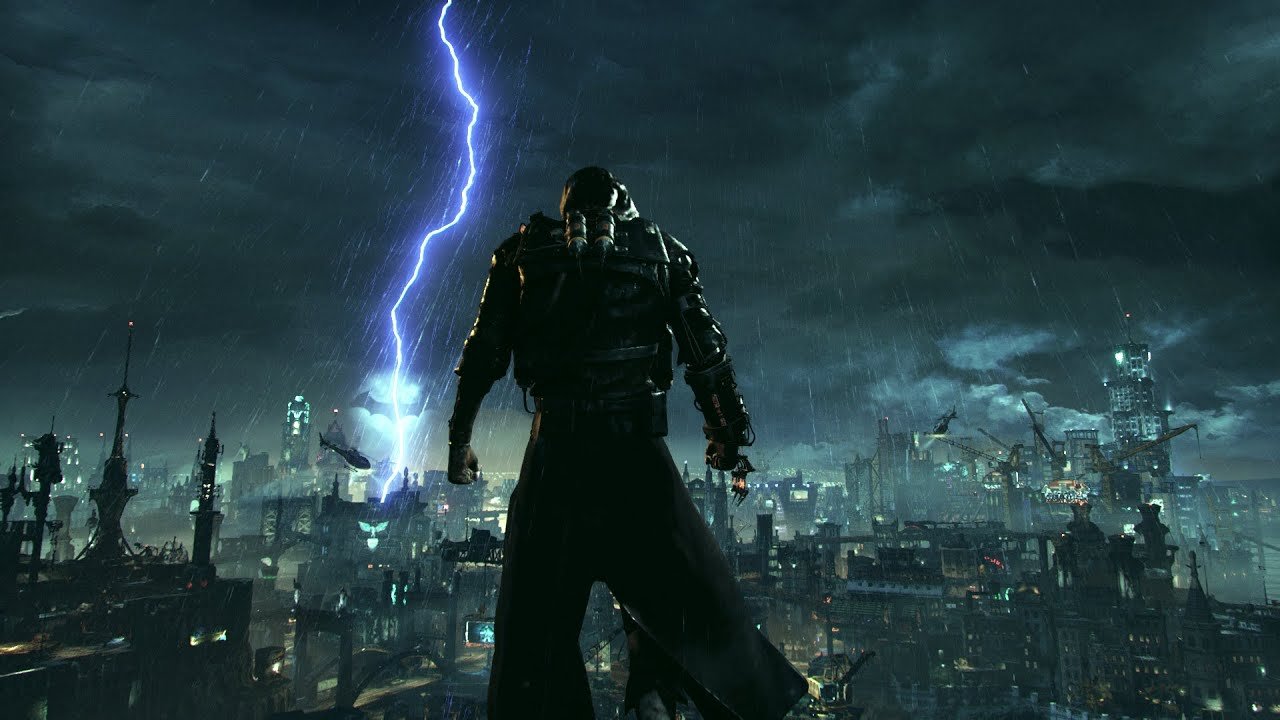
Because he’s the only one who scores full marks. Jonathan Crane doesn’t need an accident or a betrayal to become a villain. He’s a man who studies fear and decides other people are his lab rats. That gives you a different kind of horror from Clayface: no giant monster, just a quiet doctor and a gas that makes you see your worst memory.
GothamPaladin makes a point we fully agree with: live action has never given us the full Scarecrow. Cillian Murphy was great in the Nolan films, but his burlap sack was a prop, not a presence. A DCU version could finally deliver the classic look in a story built around him. We made the full case in Should Scarecrow be DC’s next horror movie?, so we won’t repeat it here.
No-Bat score: 10/10. Origin needs no Bruce, the feeling is fear itself, the lane is psychological, it’s cheap to shoot, and it gives Batman the mind-games enemy he’ll need.
Could Poison Ivy be DC’s biggest villain film?
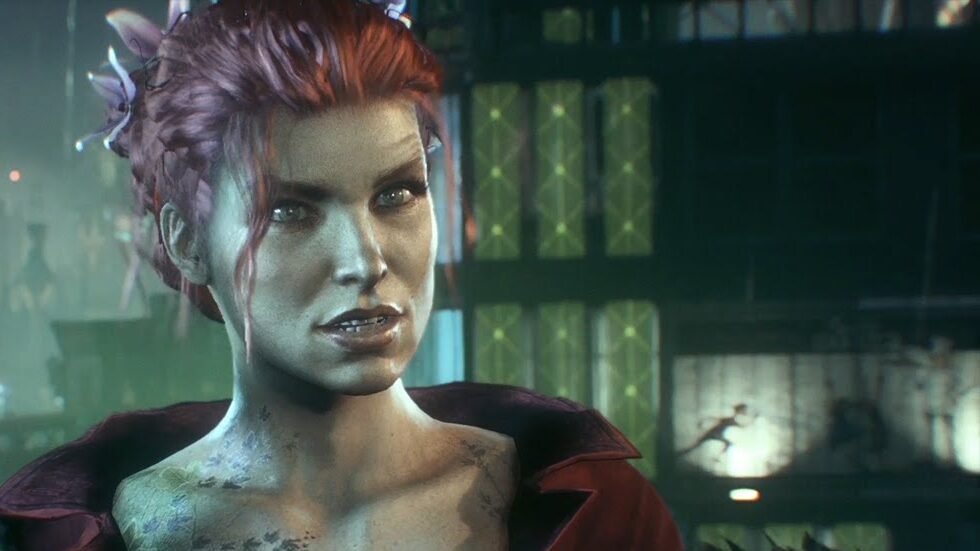
Yes, and she has the most upside on this list. Pamela Isley has been in the comics since Batman #181 in 1966. The version most fans know comes from a 1989 Neil Gaiman story, where she’s a brilliant botany student betrayed by her professor, Jason Woodrue, who experiments on her and nearly kills her.
That’s a ready-made film. A gifted young scientist trusts the wrong man, survives, and comes back as something that sides with the planet over people. The feeling is betrayal, and it’s a different lane from Clayface: green, beautiful and poisonous instead of wet and melting. Think folk horror more than body horror.
It also grows the universe more than any other pick. Woodrue becomes the Floronic Man, which links Ivy to the Green, the same world as Swamp Thing, a film DC Studios announced in its first DCU slate. And Ivy’s bond with Harley Quinn is one of DC’s most popular pairings, which ties into the open question of where Harley stands in the DCU.
No-Bat score: 9/10. She only loses a point on budget, because convincing plant effects cost more than one man in a lab.
Who is the Ventriloquist, and why does he deserve a film?
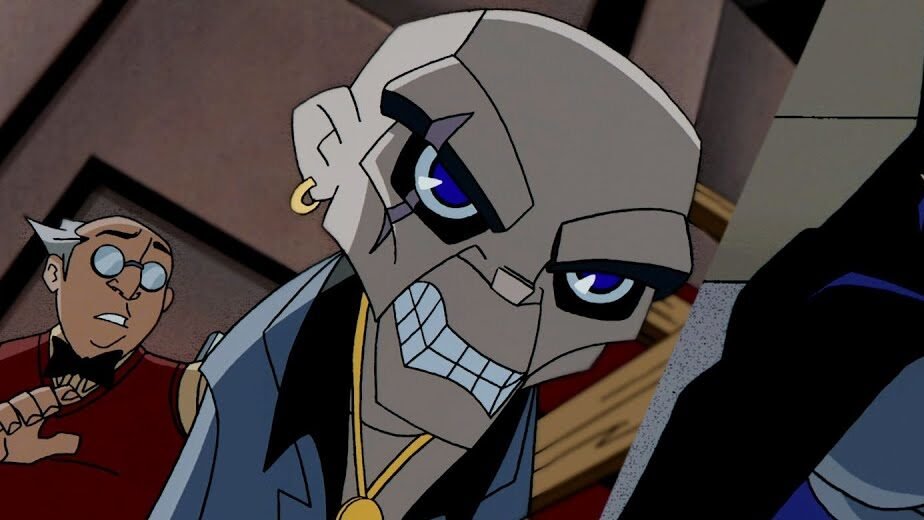
This is our pick, the one GothamPaladin didn’t mention. Arnold Wesker first appeared in Detective Comics #583 in 1988, created by John Wagner, Alan Grant and Norm Breyfogle. He’s a timid, polite man who can’t hurt anyone. His puppet, Scarface, a little wooden gangster, runs a crime empire through him.
That’s the most unsettling idea in Gotham. A man so beaten down that his only confident voice lives in his hand. You could shoot it in three rooms with two actors and a puppet, and it would still be terrifying. The feeling is losing control of yourself, the same fear Clayface plays with, but turned inward instead of onto the body.
It would also be the cheapest film on this list, and a smart way to bring Gotham’s mob world into the DCU without starting with the Joker, who hasn’t been established yet.
No-Bat score: 8/10. It drops points only on reach: the Ventriloquist is a cult favourite, not a household name, so he does less to grow the wider universe.
Why doesn’t Killer Croc rank higher?
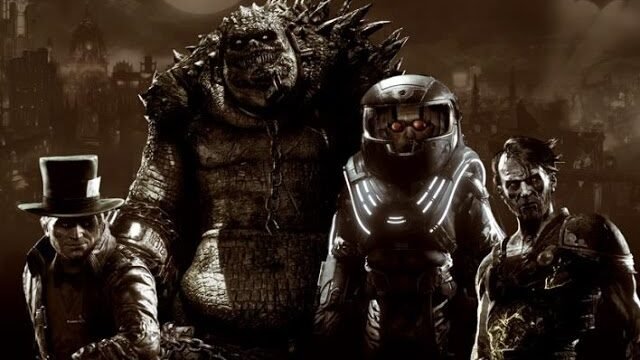
Because he’s the closest copy of Clayface. GothamPaladin calls Croc his personal number one, and the emotional case is real. Waylon Jones is born with a skin condition that makes him look reptilian, gets mocked his whole life, and becomes the monster people already called him. A world treats a man like a beast, so he turns into one. That’s a strong, sad story.
The problem is the lane. A man with a body that betrays him, rejected by Gotham, turning into a creature that hurts people: that’s Clayface’s shape again. Release it next and many viewers will say they’ve just seen this film. Croc also needs a full creature on screen most of the time, which pushes the budget up. He’s a great second-wave film, once DC has proven it can do more than one kind of horror.
No-Bat score: 7/10. Full marks for no Bruce, feeling and growing Gotham. Zero for a new lane, one for budget.
Can Man-Bat work after Morbius?
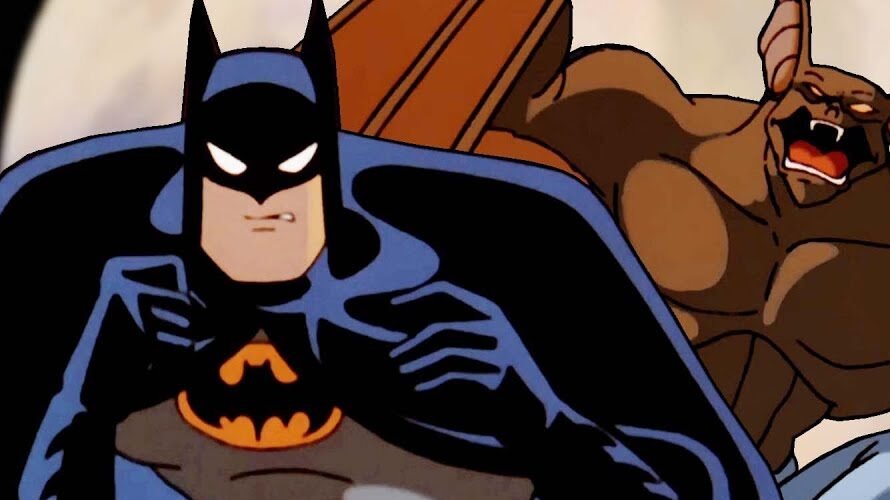
Only if DC is honest about the risk. Dr. Kirk Langstrom, who first appeared in Detective Comics #400 in 1970, is a scientist who experiments with bat DNA and turns himself into a giant bat creature. GothamPaladin sees a tragic, Hulk-style story here, and he’s right that Man-Bat’s lore is loose enough to reshape freely.
But read that pitch again: a scientist mixes his body with bat DNA and becomes a monster. That’s almost exactly the premise of Morbius (2022), a film that was savaged by critics and became a running internet joke. Man-Bat would need a very clear reason to exist, like a marriage falling apart as Kirk and his wife Francine watch the experiment take him, more The Fly than another superhero origin.
No-Bat score: 6/10. No Bruce needed, but the feeling is fuzzy, the lane is crowded, a flying creature is expensive, and the setup value for the DCU is modest.
Is Prometheus a real Batman villain?
Credit where it’s due: Prometheus is entirely GothamPaladin’s idea, and it’s the boldest pick in his video. Most casual fans have never heard of him. His story is a dark mirror of Bruce Wayne’s. As a child, his criminal parents were killed by police. Like Bruce, he trains for years in combat, science and technology, but he dedicates his life to destroying justice instead of defending it. As GothamPaladin points out, he’s the only villain on this list who could match Batman fist for fist.
Here’s where we disagree. Prometheus was created by Grant Morrison in 1998 and is best known as an enemy of the Justice League, not a Gotham regular. And the whole point of him is Batman. His story only lands when you see the man he’s copying. Without Bruce on screen, a Prometheus film becomes a generic revenge thriller about a masked fighter. He doesn’t pass the No-Bat Test. He’d make a superb villain for the DCU Batman’s own film, as the first enemy who can beat him at his own game.
No-Bat score: 5/10. Strong lane, weak on the one rule that matters here: he needs Batman.
Pylcrow’s take: which one should DC make next?
Scarecrow first, because he’s the safest follow-up and the clearest change of tone from Clayface. Poison Ivy next, because she’s the biggest swing and the best bridge to the wider DCU. And somebody at DC Studios should take a cheap gamble on the Ventriloquist, because the strangest small films are often the ones people remember.
The list also shows a pattern. The villains who work best alone are the ones whose story is about something we all fear: being afraid, being betrayed, losing control of ourselves. The ones who need Batman, like Prometheus, are defined by who they’re fighting. That’s the real Clayface lesson: a villain can carry a film when the film is about a feeling, not a fight.
Next in our Villain-First Test is Mr. Freeze. GothamPaladin argues his origin can’t work without Batman. We’re going to test that.
Frequently asked questions
Which Batman villains could get their own movie after Clayface?
Scarecrow, Poison Ivy and the Ventriloquist are the strongest choices because their stories work without Batman. Killer Croc and Man-Bat could work later. Prometheus fits better as a villain in a Batman film.
Is Batman in the Clayface movie?
No. Clayface is a standalone DCU horror film about Matt Hagen, played by Tom Rhys Harries, and it works without Batman on screen.
Has DC announced a Scarecrow or Poison Ivy movie?
No. As of November 2026, DC Studios hasn’t announced solo films for Scarecrow, Poison Ivy, Killer Croc, Man-Bat, Prometheus or the Ventriloquist. This list is Pylcrow’s opinion, not news.
Who is Prometheus in DC Comics?
Prometheus is a villain created by Grant Morrison in 1998. His criminal parents were killed by police, and he trained to become a dark mirror of Batman. He’s best known as an enemy of the Justice League.
What is the Pylcrow No-Bat Test?
It’s Pylcrow’s five-question score for whether a Batman villain can carry a film alone: no Bruce needed, one clear feeling, a new lane, a Clayface-sized budget, and whether it grows Gotham.
What should you read next?
Start with our full case for Scarecrow as DC’s next horror movie. Then see what James Gunn said about casting the DCU Batman, and the five horror films that shaped Clayface. More from the TV & Film section is waiting.
Sources: the villain lineup for this piece comes from “5 Batman Villains That DESERVE The Clayface Treatment” by GothamPaladin on YouTube, with the Ventriloquist added by Pylcrow. Box office from Deadline. Character details from DC.com (Poison Ivy, Killer Croc) and Wikipedia. Scores are Pylcrow’s opinion.