The Somerton Man: a body on the beach, a secret code and two words, “Tamam Shud”
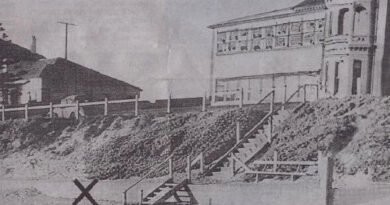
The Somerton Man was found dead on Somerton Park beach near Adelaide, Australia, on December 1, 1948, with no ID and every label cut from his clothes. Hidden in his trouser pocket was a tiny scrap of paper printed with two Persian words: “Tamám Shud,” meaning “it is finished.” In 2022, researchers identified him through DNA as Carl “Charles” Webb, a Melbourne electrical engineer, though the coroner hasn’t formally confirmed it. But how he died, and why, is still unknown.
What was found with the Somerton Man?
- No wallet, no ID, and the labels removed from his clothes.
- An unused train ticket and a bus ticket, cigarettes and matches, and some chewing gum.
- A suitcase later found at Adelaide railway station, also with labels removed.
- The scrap of paper reading “Tamám Shud,” torn from the last page of a copy of the Rubaiyat of Omar Khayyam, the famous collection of Persian verses.
What is the Tamam Shud code?
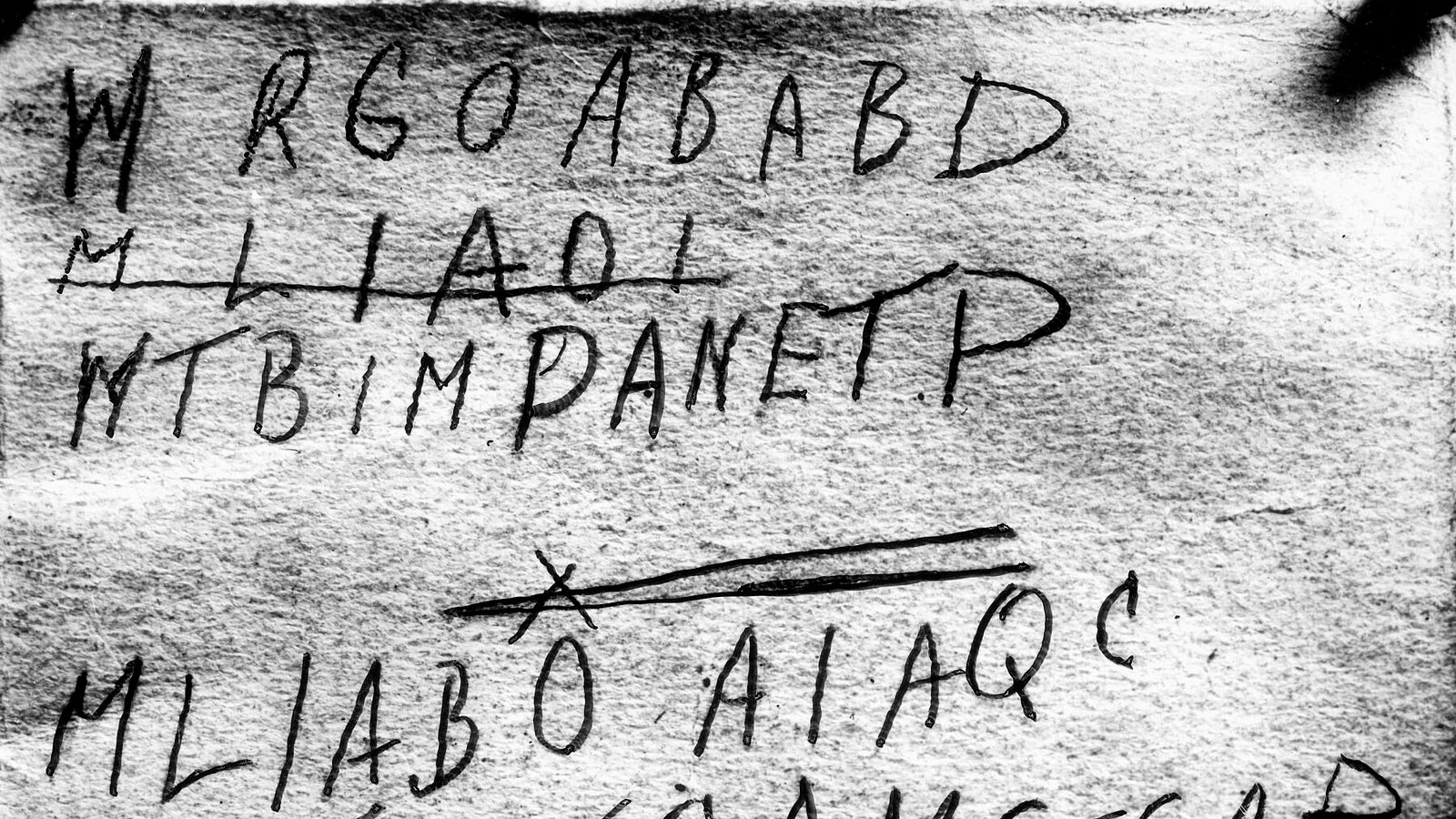
After a public appeal, a man handed police the copy of the Rubaiyat the scrap came from. He said he’d found it in his car. On the back cover were faint pencil markings: five lines of capital letters that look like a code. The book also had a phone number written in it, which led police to a local nurse. She said she didn’t know the dead man, though her reaction when shown a cast of his body has been debated ever since.
The code has never been cracked. Some think it’s an encrypted message. Others think it’s the first letters of words, a kind of shorthand. Experts, including codebreakers, have studied it for decades without an agreed answer.
Who was the Somerton Man?
In 2021, his body was exhumed for DNA testing. In July 2022, Professor Derek Abbott of the University of Adelaide and genealogist Colleen Fitzpatrick announced that DNA pointed to Carl “Charles” Webb, an electrical engineer born in Melbourne in 1905. It was the biggest breakthrough in more than 70 years. South Australia Police said they’d consider the findings, but the identification hasn’t been formally confirmed by the coroner, and the case isn’t officially closed.
If researchers have named him, why is it still a mystery?
This is the Pylcrow angle in this Case File. A name answers “who,” but not “why.” We still don’t know how he died. The original autopsy suggested poisoning, but no poison was found. We don’t know why he cut the labels from his clothes, who wrote the code, or what connected him to that book and that nurse.
And then there are the two words. “It is finished.” Whether they were a goodbye, a message, or just a line he liked, they’ve made a quiet death on a beach into one of the most poetic mysteries in the world. That’s why people keep coming back to it: it reads like the last page of a story, without the rest of the book.
Frequently asked questions about the Somerton Man
When was the Somerton Man found?
December 1, 1948, on Somerton Park beach in Adelaide.
What does “Tamam Shud” mean?
It’s Persian for “it is finished” or “ended.” It’s the closing phrase of the Rubaiyat of Omar Khayyam.
Has the Somerton Man been identified?
In 2022, researchers identified him through DNA as Carl “Charles” Webb. That identification hasn’t yet been formally confirmed by the coroner. See the University of Adelaide and the ABC News archive for coverage.
Has the code been solved?
No. The code in the book has never been definitively decoded.
What should you read next?
Go deeper: how a hair in a death mask finally named the Somerton Man.
For a man who vanished instead of appearing, read about D.B. Cooper. For a new wave of mystery storytelling, see Unsolved Mysteries on YouTube.
Sources: ABC News (Australia), University of Adelaide, Britannica on the Rubaiyat.