Hancock 2 Is Back on the Table. But Can Will Smith Win Us Back?
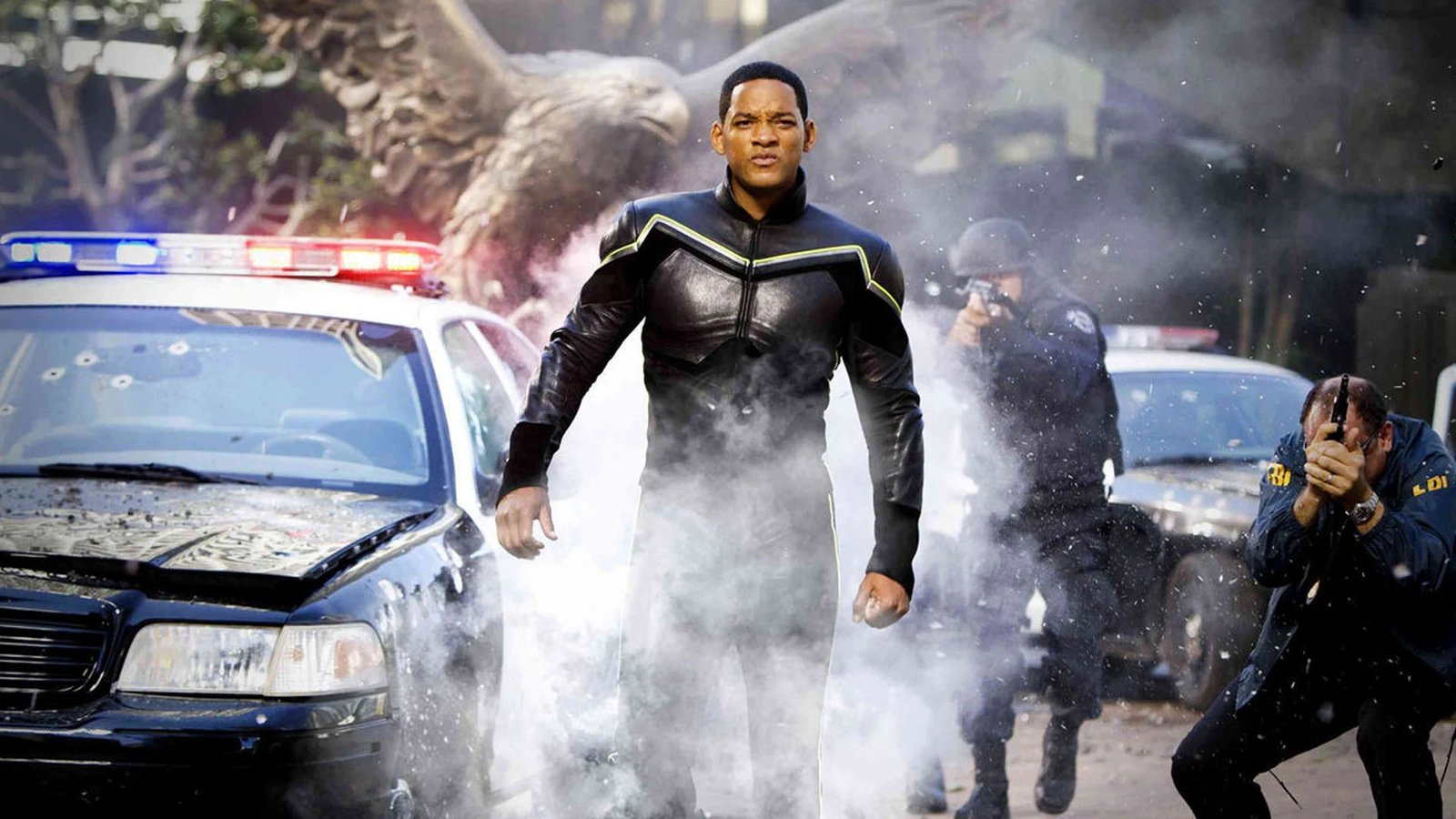
Peter Berg wants to direct Will Smith again. Eighteen years after Hancock, a superhero once hated by the public could return to cinemas. The actor playing him has a more complicated relationship with the audience now.
Opinion | PYLCROW
I used to like Will Smith. Really like him.
Not simply because he was a good actor or because his movies were entertaining. There was something about him that made you want him to win. Whether it was the kid from Philadelphia, the guy saving the world on the Fourth of July or the father trying to give his son a better life, Smith had a way of getting the audience on his side.
Then came the Oscars in 2022. And for me, something changed.
Now, almost five years later, Hancock 2 has surfaced again. Director Peter Berg has read a new script sent to him by Smith, likes it and wants to make the movie. It’s exciting news for anyone who remembers the original. But it is the real man behind that character, rather than the fictional superhero, who makes this particular sequel so interesting.
Can Will Smith make another great movie? Of course he can. Can he make us feel the way we used to feel about Will Smith? That’s a different question altogether.
What Peter Berg actually said about Hancock 2
While discussing his new war drama The Mosquito Bowl in a November 26, 2026 Variety interview, Berg revealed Smith had sent him an incredibly funny, great script
for a sequel to their 2008 film. He expressed interest in returning to direct, provided the circumstances came together. ComicBook.com published the relevant remarks on November 27.
Berg didn’t stop at the script. He spoke warmly about Smith as a person and an entertainer, acknowledging that people make mistakes. His personal position was unmistakable: I love Will Smith, and I always will.

There is a long history behind this sequel. In 2009, Animation World Network reported that Adam Fierro and Glen Mazzara had been brought in to develop a screenplay. The original film was credited to Vy Vincent Ngo and Vince Gilligan. In February 2025, Smith discussed a potential sequel on a Twitch livestream and said Zendaya was being approached. People also reported Charlize Theron’s earlier enthusiasm about revisiting the film.
The important distinction is that Berg has now read a script, not that Sony has formally announced production. We do not have confirmed writing credits for this draft, a synopsis, a release date or an officially announced cast. Sending someone a script does not mean Smith wrote it himself. Zendaya’s involvement remains unconfirmed.
Berg is an interesting director for the project. From Friday Night Lights to Lone Survivor and Deepwater Horizon, he’s spent much of his career exploring people under extreme pressure. He also directed the first Hancock. Read our feature on the real story behind The Mosquito Bowl for more on his latest film.
The Will Smith we grew up with
There was a time when Will Smith’s name was practically a genre. You didn’t necessarily need to know the plot. If it was a Will Smith movie, there was a good chance you would have a fun Saturday night.
The Fresh Prince of Bel-Air showed how easily he could switch between comedy and vulnerability. Bad Boys turned his chemistry with Martin Lawrence into a franchise. Independence Day and Men in Black made his charm a central part of the summer blockbuster. Even when the world around him was absurd, he had a way of making it feel approachable.
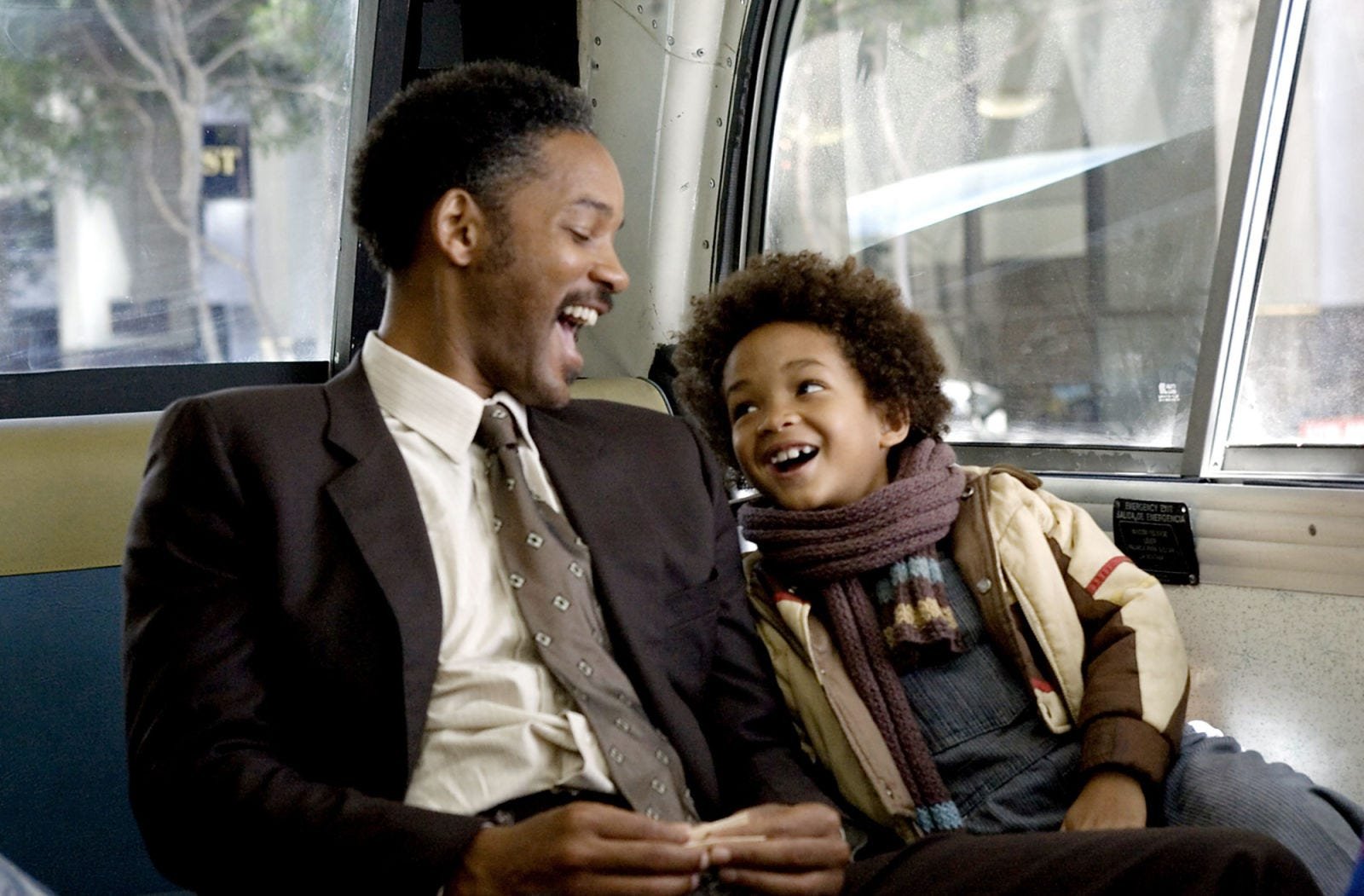
Then there was Ali. I Am Legend. The Pursuit of Happyness. Smith could carry a film through long stretches of isolation, or make a story about poverty and fatherhood work without the familiar action-star machinery. He had range, and he earned the recognition that came with it.
Of course, none of us actually knew the man. We knew the performer, the interviews, the characters and the public image. But over decades that familiarity felt like a relationship. It is one of the unusual things about movie stars: millions of people can develop genuine affection for someone they have never met.
That is why the events of March 27, 2022 felt so strange. We were watching someone whose public persona we thought we understood behave in a way that seemed entirely at odds with it.
The night that changed everything
At the 94th Academy Awards, Chris Rock made a joke about Jada Pinkett Smith’s shaved head, referencing G.I. Jane. Pinkett Smith had spoken publicly about living with alopecia. Will Smith walked onto the stage, slapped Rock and returned to his seat, where he shouted at him.
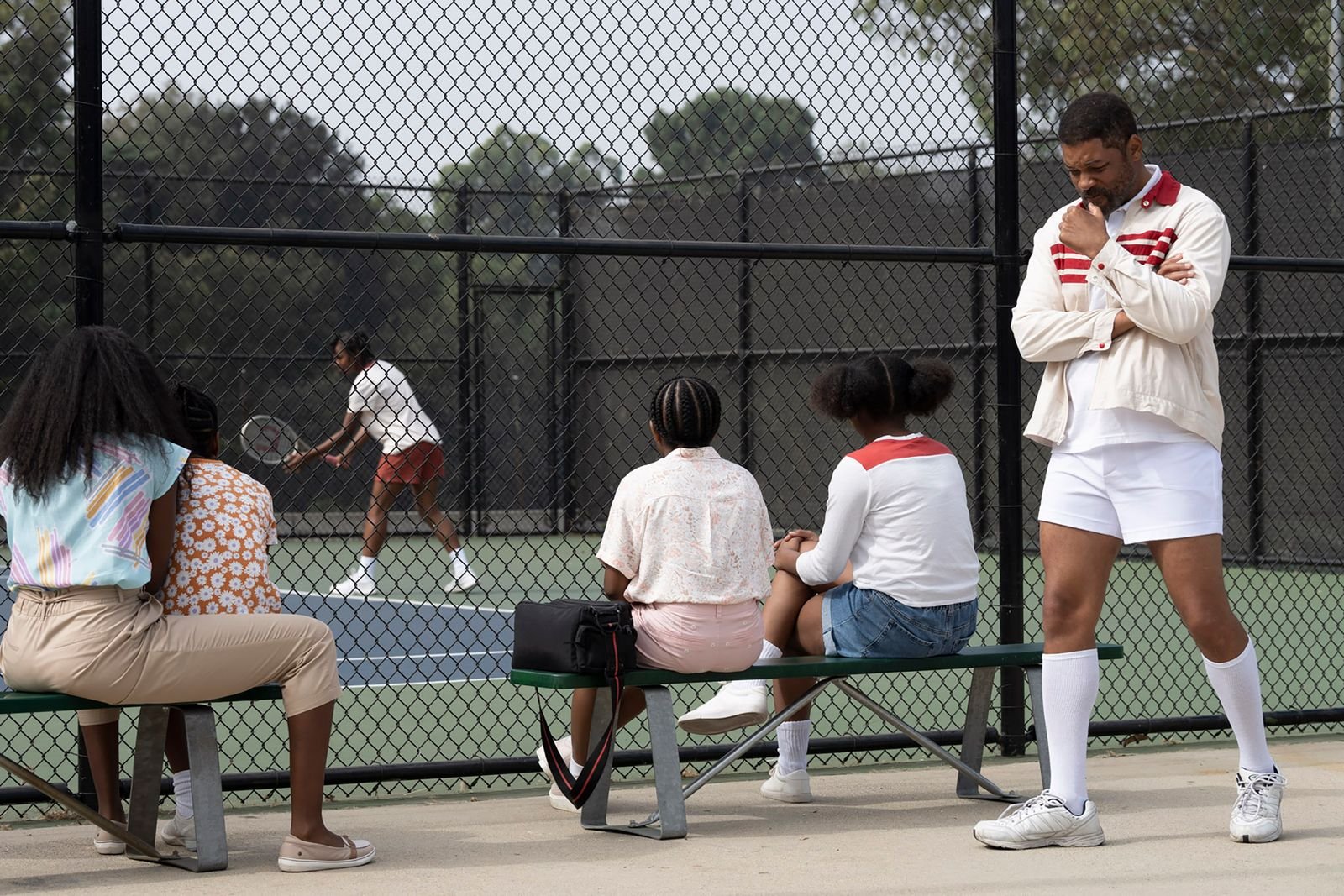
Later that evening, Smith won Best Actor for King Richard. The Academy’s official awards record preserves that achievement. During his acceptance speech he apologised to the Academy and fellow nominees, but did not apologise directly to Rock until the following day, when he issued a public apology.
I can understand why somebody would be upset by a joke directed at their spouse. I can also understand that people carry pressures the rest of us know nothing about. Understanding that doesn’t make hitting somebody acceptable.
In a November 2022 interview with Trevor Noah, Smith described accumulated anger and spoke about what he had been going through. His account suggested the incident involved more than the immediate joke. That’s his explanation, not a diagnosis; none of us can establish exactly what was happening inside his head that night.
Maybe it was a terrible moment of lost control. Even if it was, the person on the receiving end still had to experience it. There is no reason that empathy for Smith should come at the expense of empathy for Rock.
What bothered me was not that a celebrity turned out to be imperfect. It was the public use of physical force against someone who was doing his job, and the fact that the ceremony continued with the man responsible receiving the evening’s most coveted acting award.
Smith resigned his Academy membership on April 1, 2022. On April 8, the Academy announced a ten-year ban on his attendance at its events. He accepted the decision. The ban is not a prohibition on making films, and it did not revoke the Oscar he won.
Chris Rock is not a supporting character in Will Smith’s redemption story
Any discussion of Smith’s rehabilitation needs to remember the other person in the room. Rock was standing in front of a live audience when he was struck. He continued presenting the award. Months later, Smith published a video apology, saying he had tried to contact Rock and had been told the comedian wasn’t ready to speak. CBS News covered that apology on July 29, 2022.
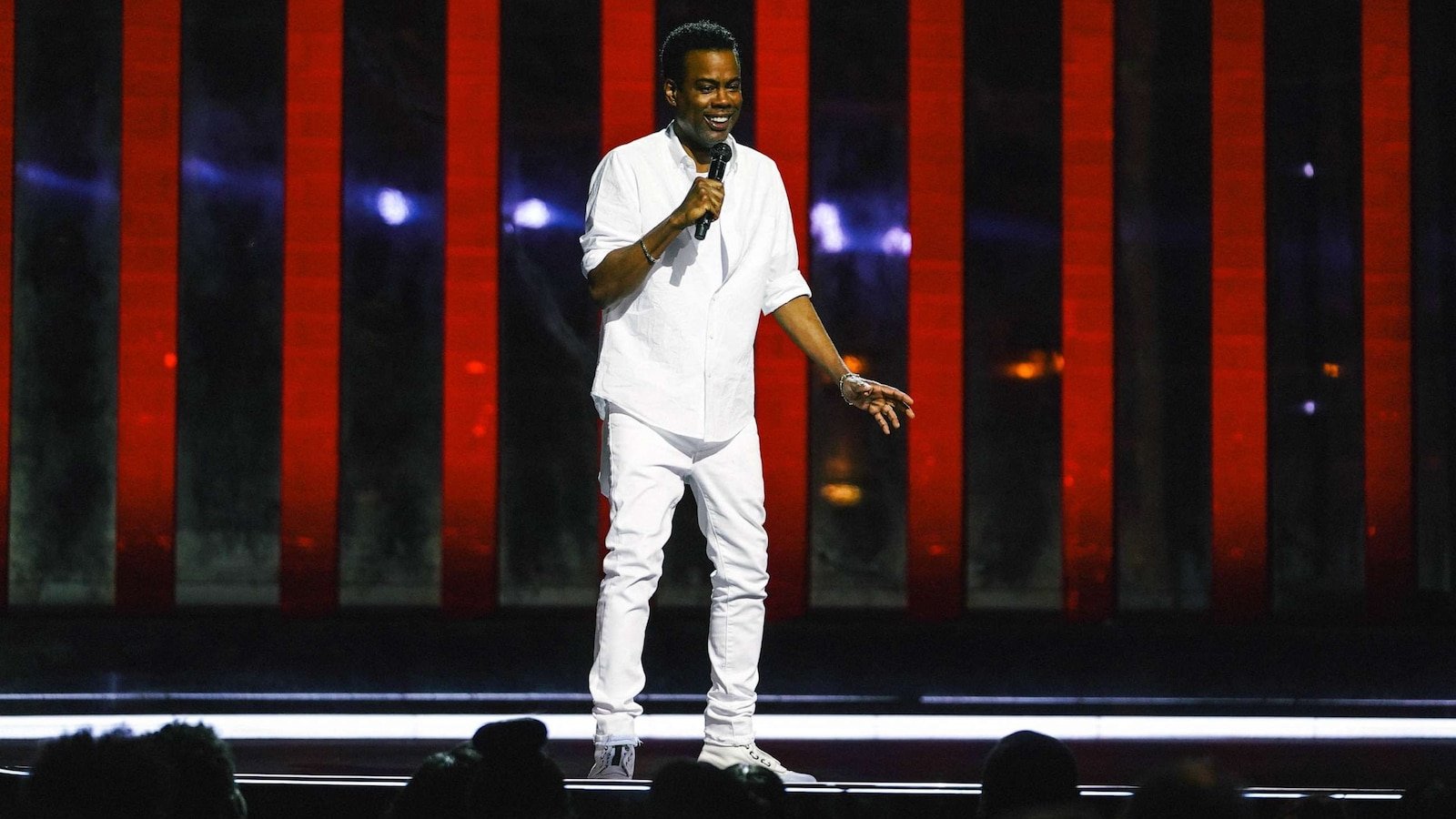
In March 2023, Rock addressed the incident at length during his Netflix special Selective Outrage, as reported by the Associated Press. Whatever anyone thought of his jokes in that special, it was his opportunity to tell his side of the story.
Smith has the right to apologise and try to improve himself. Rock has the right to decide what that apology means to him. The audience cannot grant forgiveness on Rock’s behalf. And the success of a movie cannot settle a personal dispute between two people.
That is what makes Hollywood’s obsession with comeback narratives frustrating. They naturally centre the person whose career is being rebuilt. The individual who was harmed can become little more than an obstacle in that story, expected to disappear once the hero gets a new blockbuster.
Rock doesn’t owe the audience that ending.
Will Smith has already made a commercial comeback
If the question is whether Hollywood can still make money with Will Smith, we already have an answer.
Emancipation, which had been filmed before the Oscars incident, arrived in December 2022. Then came Bad Boys: Ride or Die in June 2024. According to Box Office Mojo, the latter earned about $404.6 million worldwide, including a $56.5 million domestic opening weekend.
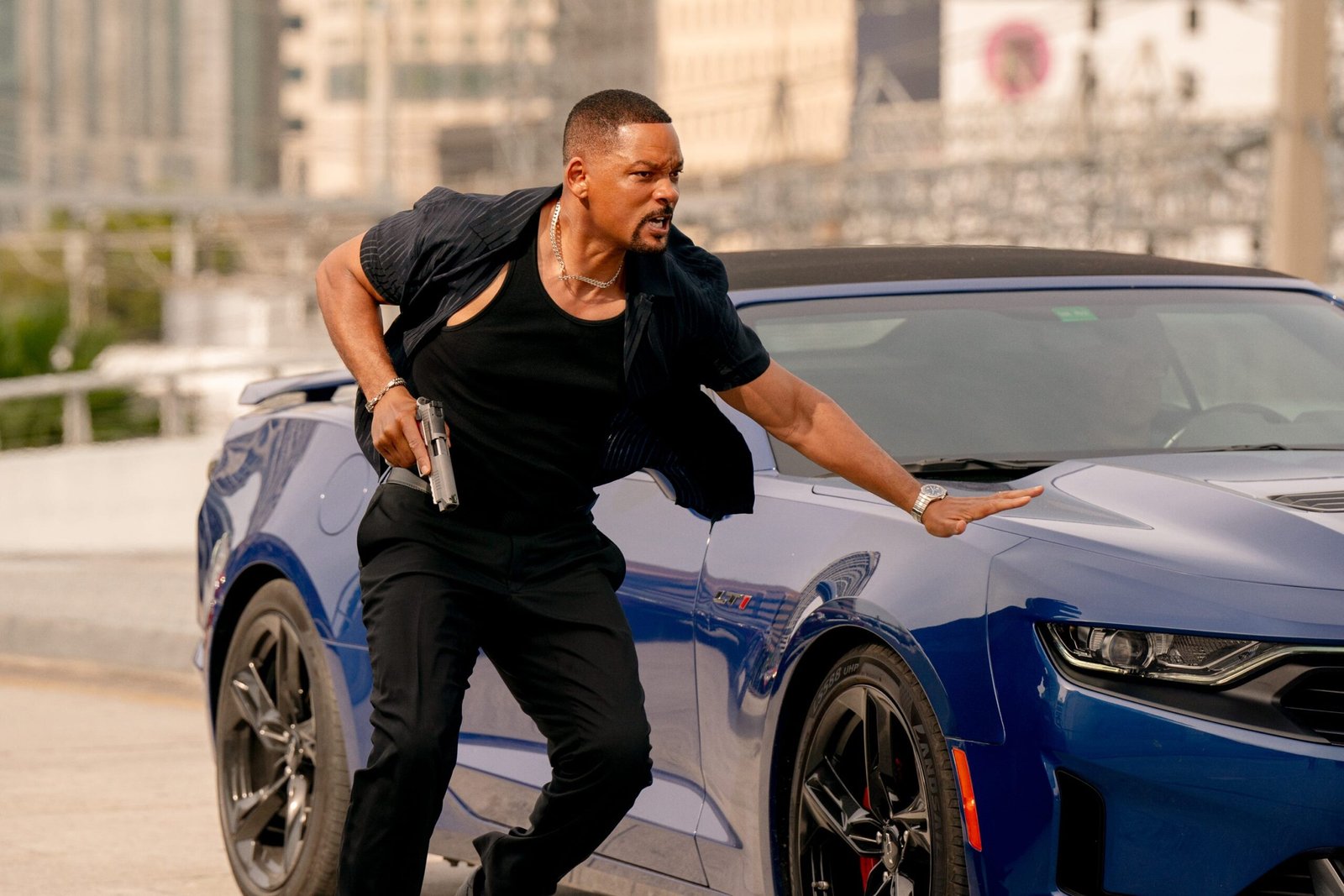
That is a substantial commercial result. It also makes the idea that Hancock 2 is Smith’s only route back to Hollywood plainly wrong. He’s already returned to a successful franchise, and in 2025 he released his first studio album in two decades, Based on a True Story. In an Associated Press interview, he described the record as emerging from years of personal reflection.
We should acknowledge those efforts rather than pretend they never happened. But a box-office figure cannot tell us how many people forgave him, how many never stopped liking him or how many simply wanted to see Martin Lawrence and a familiar action movie. Buying a ticket isn’t a referendum on a person’s character.
Hollywood has largely answered the commercial question. The personal one remains individual.
Why Hancock is the most interesting character he could revisit
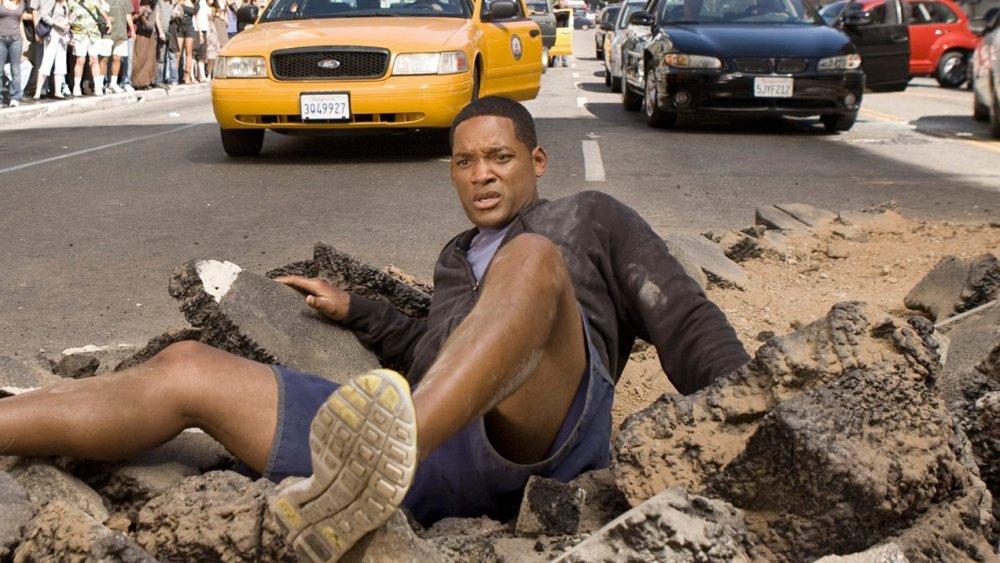
Before superhero movies became an industry unto themselves, the first Hancock asked what would happen if someone with extraordinary powers was also extraordinarily unpleasant to be around. The character saves people but causes enormous damage. His attitude alienates the public. A publicist, Ray Embrey (Jason Bateman), tries to help him repair his reputation, while Mary (Charlize Theron) complicates his understanding of who he is.
It’s an unusual premise for a Will Smith vehicle. The audience that naturally wanted to root for Smith was being asked to look at a hero whose city no longer wanted him. The movie earned approximately $629.4 million worldwide, according to Box Office Mojo. Sony’s official synopsis makes the damaged reputation and the publicist’s intervention central to the original premise.
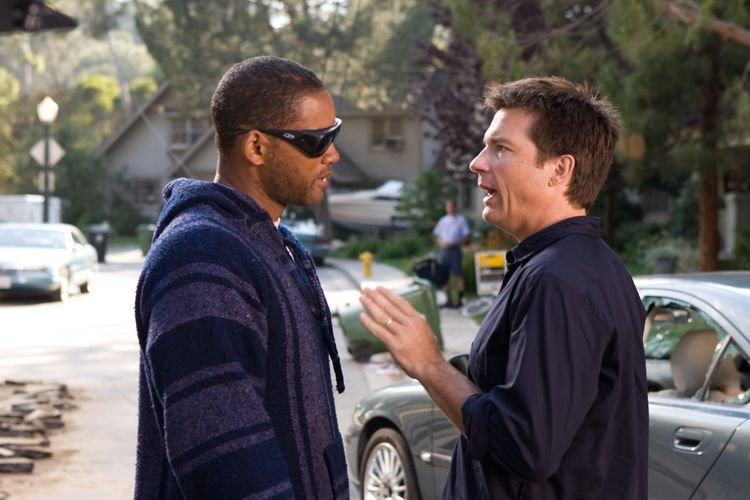
What I find most interesting about the film is that Ray can help Hancock improve how people see him, but PR alone cannot make him a better hero. He has to become someone who understands the consequences of his actions. The difference between appearing better and actually behaving better is precisely what makes the first film relevant to this conversation.
I’m not suggesting that Smith committed the same kinds of acts as his fictional character or that Berg has written a sequel about the Oscars. We don’t know the new script’s story. The parallel is an editorial reading of the original film in light of what has happened since its release.
If the filmmakers wanted to explore the character’s relationship with public trust again, it could give Smith the opportunity to do something more interesting than play another familiar hero. A sequel could explore what happens after the celebration, when the work of maintaining trust has to begin. Or it could simply be an excellent comedy. Either approach is valid. What would feel cheap is presenting a fictional victory as proof that the actor has earned real-world absolution.
Does Will Smith deserve another chance?
I don’t believe a single terrible act should permanently define a human being. People should be able to acknowledge harm, accept consequences, learn and continue working. I don’t think an audience has to hate someone forever to demonstrate that it takes violence seriously.
But do I like Will Smith the way I did before? No. I miss that version of my relationship with his work, and I’m not going to pretend it has returned simply because Hollywood has moved forward.
There is room for both positions. Berg can love his friend and want to work with him. Other people can remember the joy his films gave them and welcome his return. Some of us can be more reluctant. None of us needs to turn our personal reaction into a universal verdict.
I would rather see Smith make a genuinely exceptional Hancock 2 than watch a movie designed to tell me how I should feel about its star. Let the performance be the performance. Let the film stand on its own.
Perhaps, with time and consistent actions outside the screen, the audience’s affection will return. Perhaps for some people it already has. There is no release date for that.
Hancock needed to learn that having extraordinary power did not entitle him to other people’s respect. Will Smith has a chance to play that character again. I hope he makes a great film.
But the audience doesn’t owe him a happy ending.
Further reading: The Mosquito Bowl: the true story · Tom Cruise, Digger and the art of taking risks · More Movies & TV on PYLCROW.