James Gunn Is Out at DC Studios. Will Skydance Save the DCU or Reboot It Again?
James Gunn and Peter Safran are out as DC Studios’ co-heads. That part is real. The seven-slide viral explanation of why — from Superman’s supposed lack of cultural impact to Skydance’s alleged hostility to creative freedom — mixes verifiable business concerns with claims that go further than the public evidence. More importantly, it raises a question DC fans have heard too many times: is the studio finally changing course for the better, or about to tear up another universe before it has a chance to grow?
PYLCROW op-ed | November 23, 2026. This piece distinguishes confirmed developments, reported insider accounts and our editorial scenarios. It is not a claim that every motive in the circulating social-media carousel has been proven.
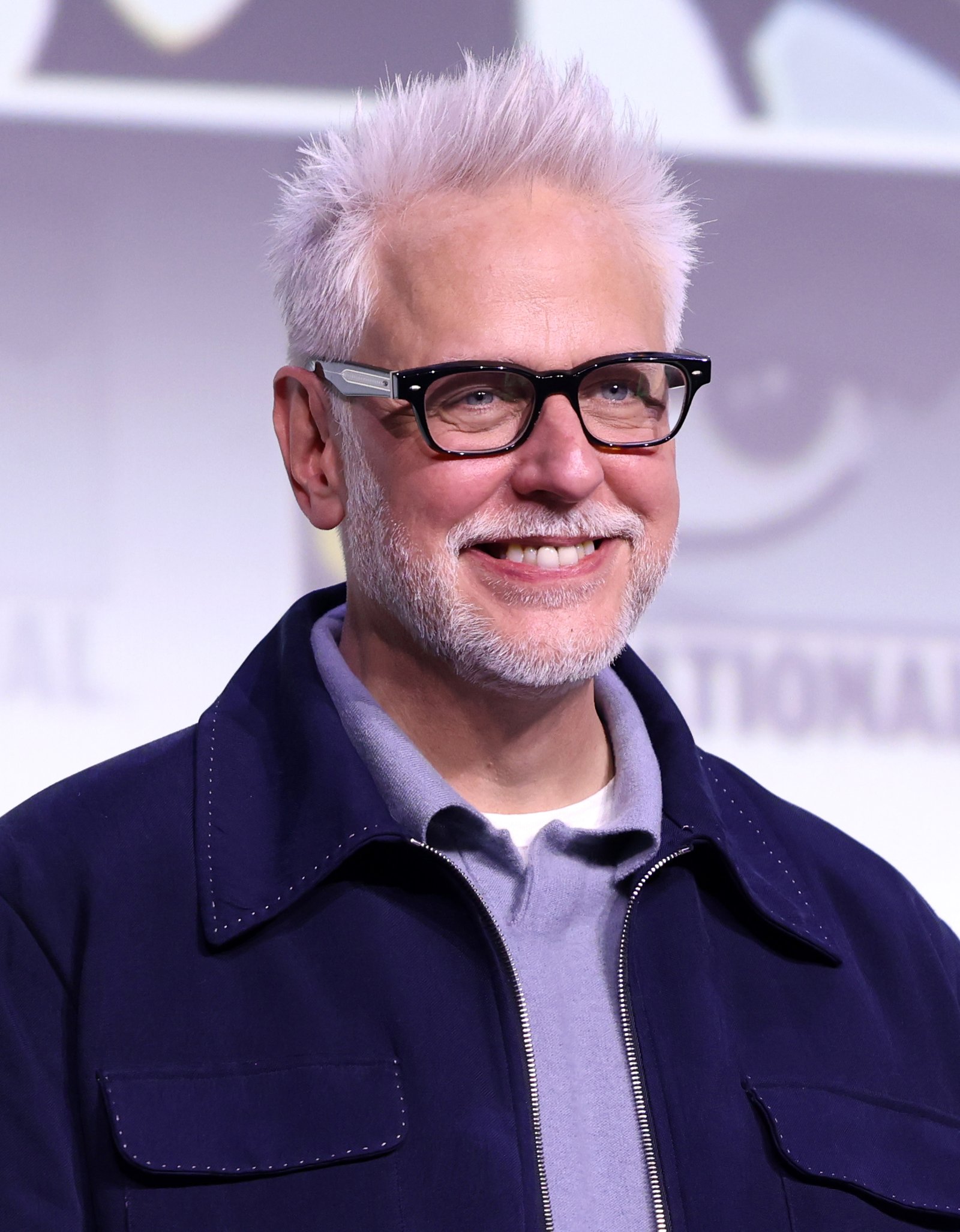
What actually happened between Gunn and Skydance?
On November 9, Skydance officially announced that Gunn and Safran would step down after four years running DC Studios. Former Marvel executive Jeremy Latcham becomes president and chief creative officer on December 1. Gunn and Safran are returning to filmmaking, including Man of Tomorrow, which remains scheduled for July 9, 2027. Their involvement in The Batman Part II also continues.
Skydance’s public statement praises their work rather than describing a disciplinary firing. But Variety’s November 11 investigation and the Los Angeles Times establish that this was a substantive leadership change, not simply two executives choosing a leisurely retirement. Variety reports that Skydance planned to change the reporting structure and that executives were concerned about high spending and uneven audience response. The precise weight of each factor remains known only to the decision-makers.
There is another important distinction. Gunn has specifically denied one sensational claim: that Skydance saw Man of Tomorrow, disliked it and ordered sweeping changes. TheWrap quoted his November 13 response that no one from Skydance had even seen the movie. Treating that rumor as the reason for his exit would be irresponsible.
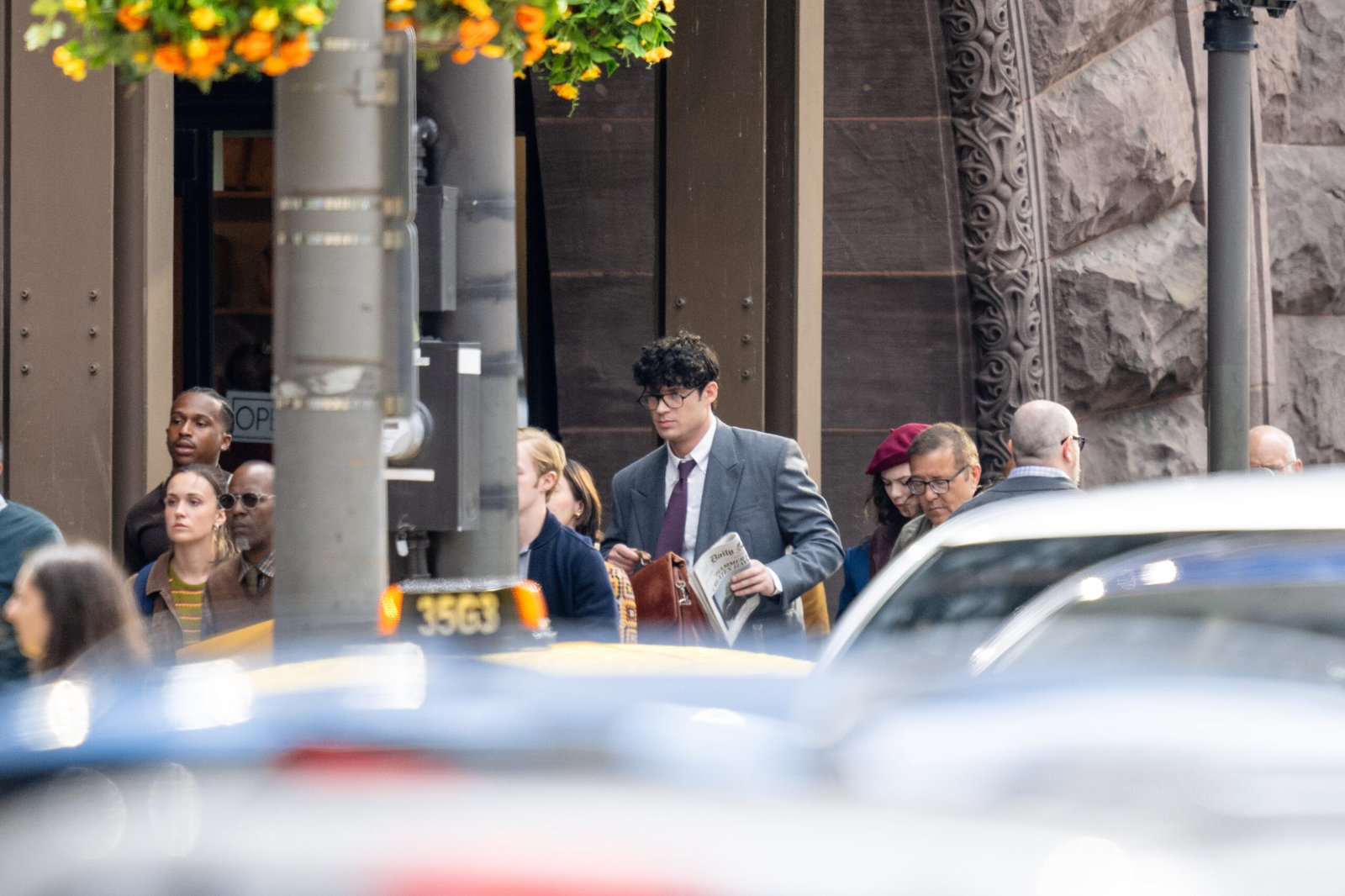
Was Superman a hit, or did the DCU fail to connect?
The viral carousel argues that Superman lacked pop-culture impact. That’s a judgment, not a financial measurement. Variety reports roughly $618 million worldwide on a $225 million production budget. That is a meaningful commercial result, even if it falls short of the enormous cultural reset DC’s owners may have hoped for. A film can be financially viable without making its wider cinematic universe an event.

Supergirl is a harder defense. The Numbers lists about $126.5 million worldwide against a reported $170 million production budget, before marketing and distribution costs. Rotten Tomatoes shows 52% positive critic reviews and 72% positive verified audience ratings as checked in November 2026. So the carousel’s broad commercial criticism has substance, but “everyone hated it” would be false. Audiences and critics did not respond identically.

The deeper problem may be the economics of world-building. A $170 million movie about a character still being introduced to mass audiences carries blockbuster-level risk without blockbuster-level guaranteed demand. TheWrap’s June analysis reported internal concern over that mismatch. And Clayface complicates the argument that only Superman or Batman should receive movies: Variety reports about $109 million worldwide against a $44 million budget, a more controlled experiment even if profitability is not automatic.
Did Gunn have a plan — and did Skydance dislike his freedom?
The carousel says Gunn lacked a coherent DCU roadmap, that R-rated projects were inaccessible and that Skydance executives resented DC Studios’ creative autonomy. Those are three different claims. A roadmap certainly existed: Gunn and Safran publicly developed an interconnected slate spanning Creature Commandos, Peacemaker, Superman, Supergirl, Lanterns and more. Whether it was the right roadmap is debatable. Saying there was no plan at all ignores the projects already made.
R-rated stories are not inherently commercially inaccessible. DC’s horror-oriented Clayface illustrates the appeal of carefully budgeted genre films. The issue is not simply rating; it’s the size of the potential audience relative to production and marketing costs. A smaller, distinctively adult film can make more business sense than an expensive PG-13 film that struggles to distinguish itself.
Creative freedom and corporate reporting structures may be the real fault line. Variety reports Skydance intended to place DC within a different hierarchy. That supports a story of changed executive authority, but does not prove that every creative decision was being vetoed or that management had a secret ban on Gunn’s style. Gunn himself acknowledged that the corporate side of the job had been exhausting. The relationship appears to have ended as an executive partnership, not necessarily as a creative collaboration.
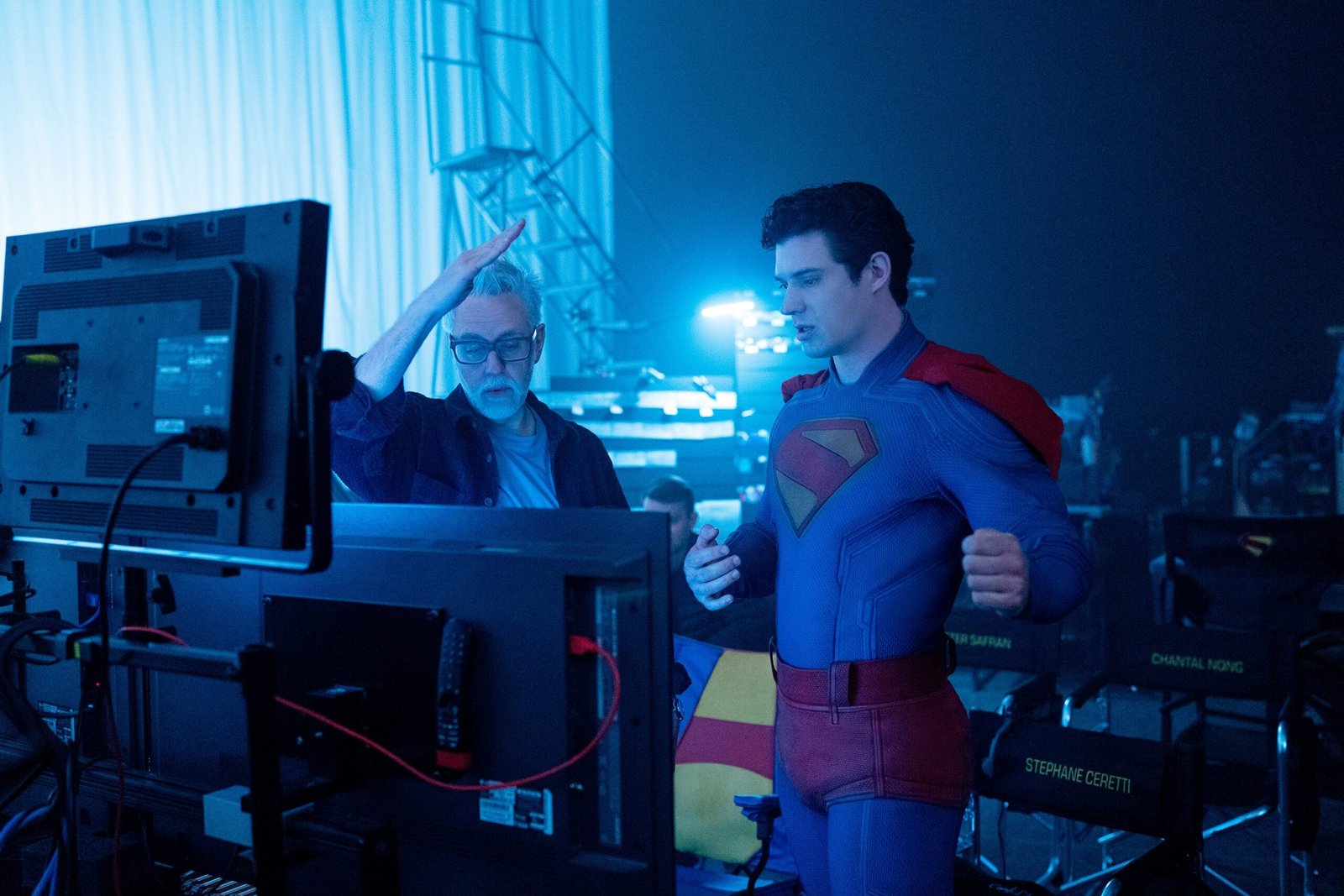
What happens to the DCU projects now?
The immediate slate is not being wiped out. Skydance’s announcement explicitly preserves Gunn’s Man of Tomorrow, in post-production for July 2027, and notes that The Batman Part II is in production. It also names The People v. Gorilla Grodd for 2027 and acknowledges the work already done on Lanterns, Peacemaker, Creature Commandos and Clayface. These projects do not all share the same continuity or financial model, and the new leadership must decide what to renew, extend or quietly discontinue.
The more vulnerable ideas are projects without completed scripts, cameras rolling or firm release commitments. Variety says the long-discussed Wonder Woman reboot had not materialized under the outgoing team. Gunn has also said he is writing another DC project, but its fate depends on the new regime. A cinematic universe is not saved by announcing 20 titles; it is saved by releasing good films on a schedule audiences can actually follow.

Does Zack Snyder return? And should DC restore the SnyderVerse?
Ownership changes have predictably revived #RestoreTheSnyderVerse. October coverage documented renewed fan demands after the Paramount–Warner deal. But fan campaigns and speculative casting chatter are not announcements of a Zack Snyder comeback. We found no verified studio commitment to restore his abandoned Justice League sequels.
There is a serious argument in favor of Snyder: his DC films have a distinctive operatic visual identity, a committed audience and an unfinished creative arc. A limited, clearly labeled Elseworlds project — animation, comics, or a tightly budgeted special event — could potentially serve that audience without replacing the main DCU. It would require rights, cast availability, budget discipline and Snyder’s interest. None of those conditions should be assumed.
The strongest argument against a full SnyderVerse restoration is the cost of yet another continuity reset. Reinstalling Henry Cavill’s Superman and Ben Affleck’s Batman as the main franchise while David Corenswet’s films are still in progress would tell general audiences that DC never commits to its own choices. Snyder fans deserve respect; so do viewers who have invested in the new cast. DC can accommodate multiple tones without pretending every film must belong to the same timeline.

Three futures for DC: best case, worst case and the plausible middle
Best case: a disciplined creative reset without a continuity reset. Jeremy Latcham retains what works, protects Gunn’s completed films, gives Superman and Batman room to become reliable pillars, and greenlights lower-cost experiments like Clayface when the creative concept justifies them. The DCU becomes easier to follow, not smaller in imagination. Snyder-inspired projects could exist separately if there is genuine commercial demand.
Worst case: executives chase yesterday’s internet argument. Skydance cancels developing projects, announces a grand new 10-year plan, changes Superman again, courts Snyder fans without a viable production plan, and forces every movie into a crossover before audiences care about its characters. That would repeat DC’s most damaging habit: treating each disappointing opening weekend as a referendum on the entire universe.
Most plausible middle: selective pruning and a few safe bets. Latcham may favor recognizable characters and tighter budgets while honoring movies already too far along to cancel cheaply. That could mean fewer risky spinoffs, more focus on Superman, Batman and Wonder Woman, and a gradual redefinition of which television stories are essential viewing. It would be less exciting than a creative revolution, but potentially more sustainable.
PYLCROW’s verdict: DC does not need another savior
James Gunn made decisions worth criticizing. Launching a costly Supergirl so early was a risky bet, and a shared universe built around niche characters needs a stronger reason for casual audiences to follow it. Yet firing the architect is not the same thing as fixing the architecture. Skydance now inherits the same problem Gunn inherited: a fanbase divided by competing visions, and a public conditioned to expect a new strategy every few years.
DC’s advantage is not that it can imitate Marvel more efficiently. It has Superman’s optimism, Batman’s noir, Wonder Woman’s mythology, the Lanterns’ cosmic scope, and an entire shelf of horror, crime and science-fiction stories. The studio should let those properties feel different while maintaining a stable release strategy and clear continuity labels. Not every film needs to be an Avengers-style chapter, and not every failure needs to trigger another reboot.
There is a useful irony here: Gunn’s best work came from having a strong point of view, while his executive job required managing other people’s points of view. Let him finish Man of Tomorrow. Let Latcham prove he can make tough decisions without erasing the last four years. And let Snyder’s legacy be discussed as creative work, not as a permanent referendum on who owns DC.
The way forward is continuity of commitment, not continuity of management. A studio can change bosses. It cannot keep asking audiences to start caring from zero.
Related on PYLCROW: The original Gunn leadership departure report; What Jeremy Latcham could change; Why DC should protect its darker standalone films.
Sources: Skydance’s November 9 announcement; Variety’s executive and financial reporting; Los Angeles Times; TheWrap on Gunn’s denial; The Numbers; Rotten Tomatoes; TheWrap’s Supergirl analysis. The circulating seven-panel carousel is treated as commentary, not an independently verified insider source.