
Godzilla Minus One Meaning and Ending Explained: The Real Victory Was Choosing to Live
Smart summary
Godzilla Minus One is more than a giant-monster movie. The title refers to a Japan reduced to zero by World War II and driven below zero by Godzilla. But the film’s deeper argument is personal: Koichi Shikishima has been taught that dying is a patriotic duty, and he cannot forgive himself for surviving. In the ending he rejects that logic, ejects from his plane and chooses a future with Noriko and Akiko. Godzilla’s regeneration and Noriko’s mysterious mark set up Minus Zero. This explanation explores the ending, historical symbolism, nuclear metaphor and the reason the human story works. Full Minus One spoilers follow.
There is a moment in Godzilla Minus One that feels more frightening to me than any atomic explosion. Koichi Shikishima is alive. And he believes that this is something he should be ashamed of.
That is a remarkable starting point for an action movie. We usually celebrate the person who survives. In Takashi Yamazaki’s 2023 film, survival is treated almost like evidence of failure. Koichi was a kamikaze pilot, trained for a death that never came. He returns to a country devastated by war, carrying a shame that Godzilla seems to confirm every time another innocent person dies.
To understand why the film works, I think we need to put the monster aside for a moment. The real battle is between a man who believes he owes the world his death and the people who insist that he has a life worth living.
Major spoilers for Godzilla Minus One (2023) begin here. If you’re planning the two-film marathon, read our short guide to watching Minus One before Minus Zero instead.
What does Godzilla Minus One mean?
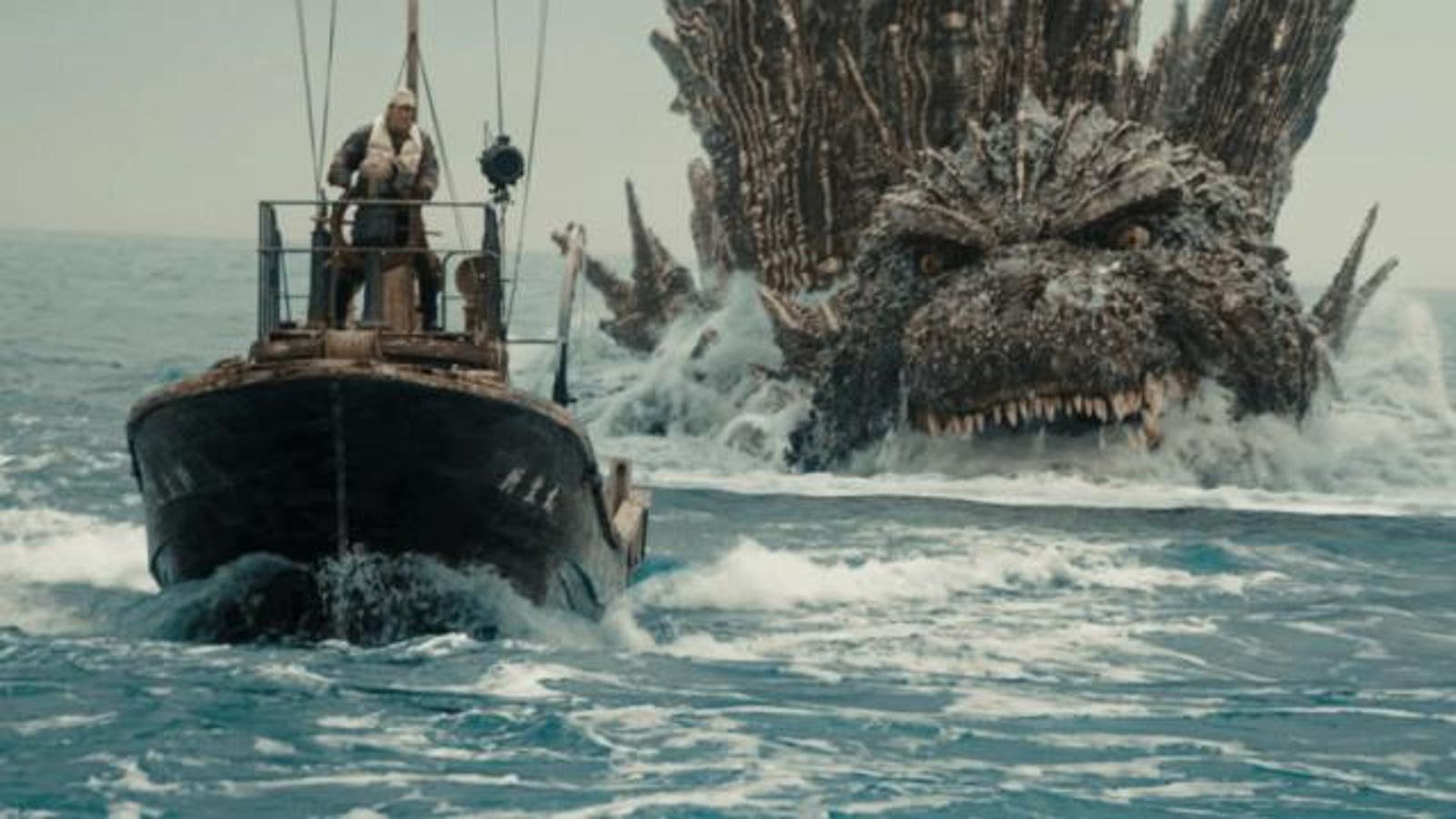
The title comes from simple, brutal arithmetic. At the end of World War II, Japan has been reduced to nothing: zero. Then Godzilla arrives and pushes the survivors even further into devastation: minus one. The Japanese Film Database describes that idea as central to the film’s premise.
But there is another minus hiding inside Koichi’s story. He views himself as less than the people who died. He believes the world would be morally balanced if he could somehow pay back his survival. So when Godzilla threatens the country, the giant monster becomes a grotesque physical version of the loss Koichi thinks he deserves.
That is my interpretation, not an official mathematical symbolism established by the director. But it helps explain why the story feels so different from a conventional monster movie: the creature is spectacular, yet the emotional landscape is internal.
The kamikaze problem: when a culture teaches people to call death honor
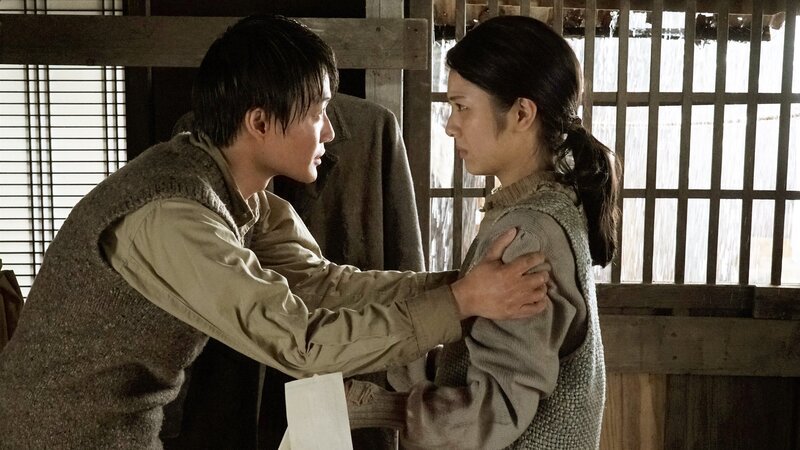
Early in the film, Koichi avoids completing his kamikaze mission. He later returns to a devastated Japan and becomes overwhelmed by the belief that his failure helped cause other deaths. The movie doesn’t portray his fear as cowardice. Instead, it asks why anyone was expected to die in the first place.
That difference is everything. Plenty of stories tell us that a person becomes noble when they make a supreme sacrifice. Minus One is suspicious of the people and institutions demanding sacrifices. It suggests that there is something profoundly wrong with a system that can make an individual feel morally inferior merely because they stayed alive.
In this respect, Godzilla is not a metaphor for only one historical event. Since Gojira in 1954, the character has also carried Japan’s nuclear anxieties, the costs of war and the terror of technological power beyond human control. The Guardian’s review draws out the postwar and redemptive elements, while RogerEbert.com examines the film’s sobering human focus.
Why Noriko matters more than the romance
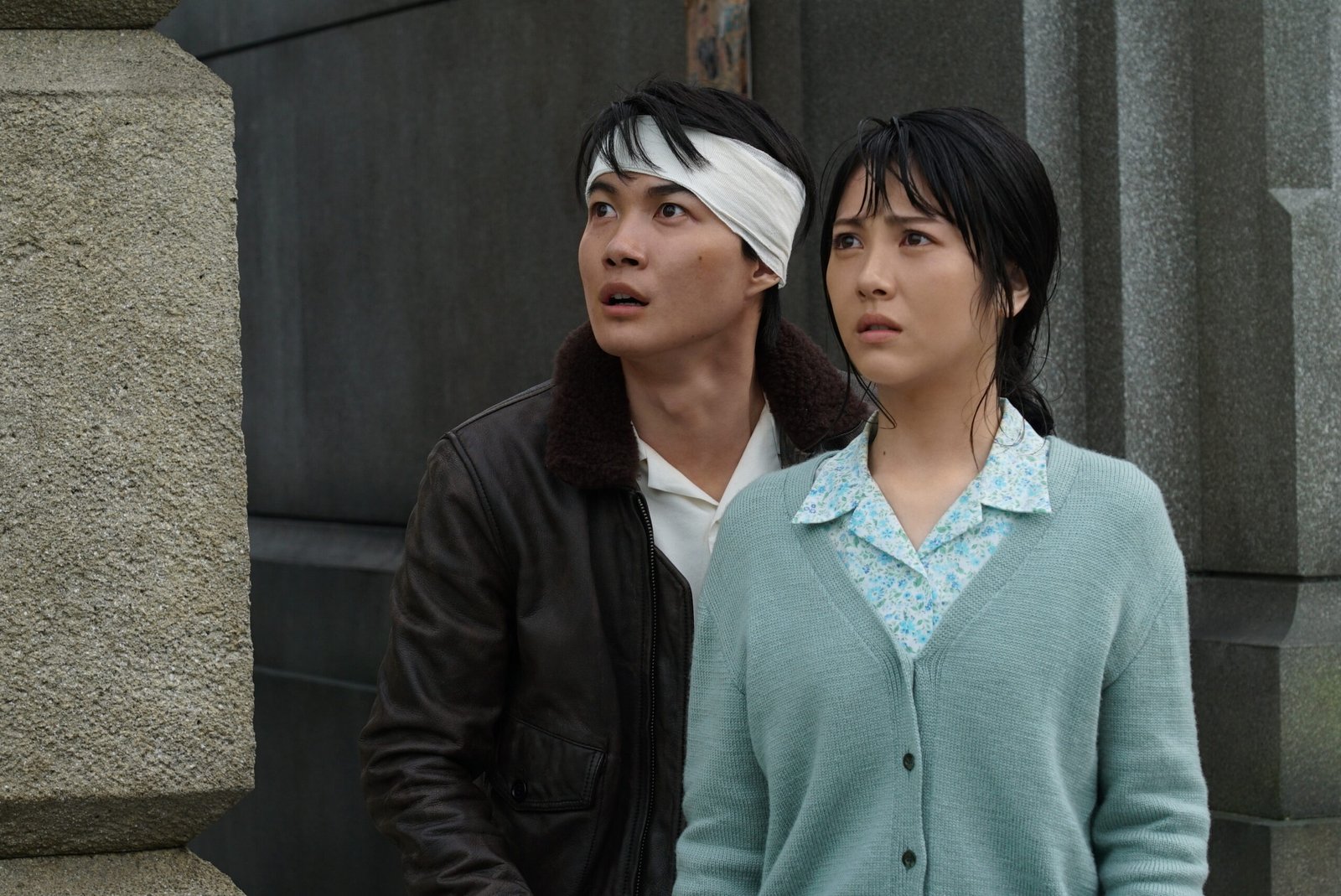
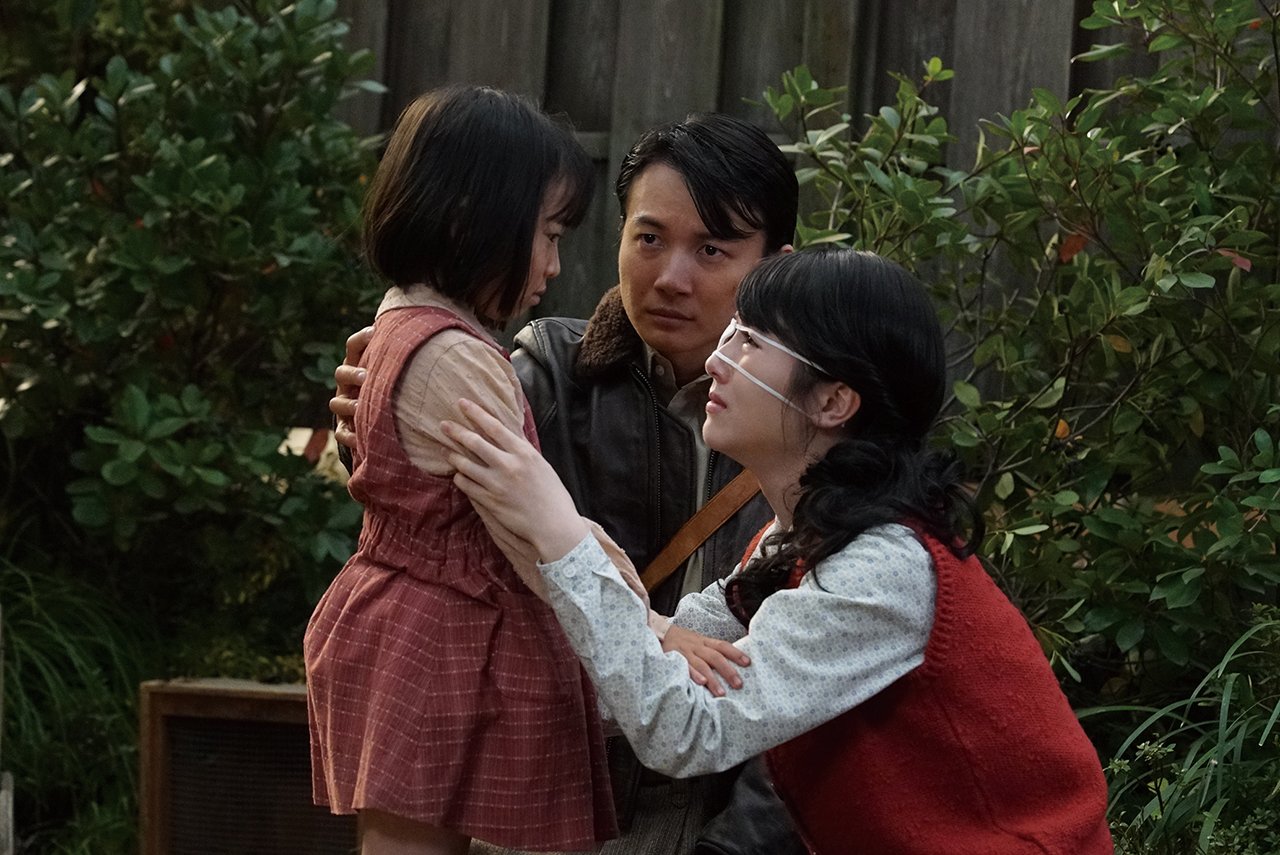
Noriko enters Koichi’s life with Akiko, and the three gradually form a family outside the neat rules society normally expects. Koichi struggles to accept the happiness in front of him. It isn’t that he fails to love them. It is that he does not think someone like him has earned the right to build that kind of future.
To me, this makes Noriko the film’s strongest contradiction of the wartime ideology Koichi has internalized. She doesn’t ask him to prove himself by doing something glorious. She creates a life in which ordinary acts — going to work, returning home, protecting a child, staying present — carry more meaning than a supposedly heroic death.
The personal stakes also explain the effectiveness of the effects sequences. A giant reptile demolishing a city is impressive. A monster approaching the neighborhood where someone is beginning to believe he can be happy is frightening.
What happens to Noriko at the end?
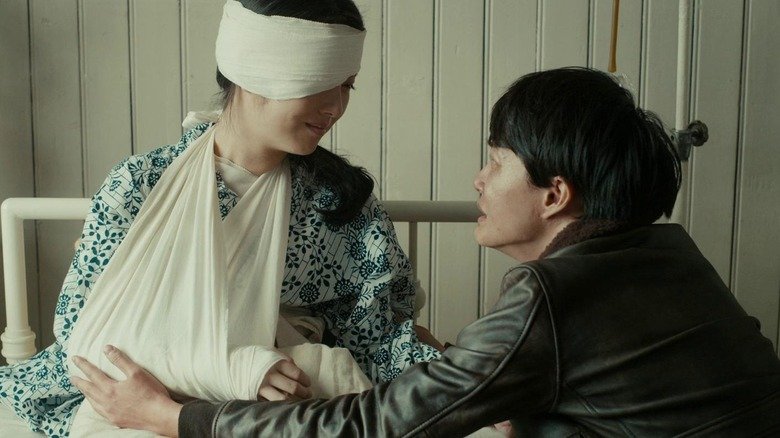
During Godzilla’s attack on Ginza, Noriko pushes Koichi out of danger and is believed dead. Near the conclusion, he learns that she survived. They reunite in hospital, and the moment gives the film an extraordinary emotional release. However, the dark mark on her neck suggests that her survival may have something to do with Godzilla’s strange regenerative biology.
The precise explanation is left hanging until the sequel, Godzilla Minus Zero, which follows the family in 1949 and expands Noriko’s unusual connection to the monster. We explain those revelations separately in Godzilla Minus Zero’s ending, including Noriko and King Ghidorah. That article contains major sequel spoilers.
Godzilla Minus One ending explained: why Koichi ejects instead of sacrificing himself
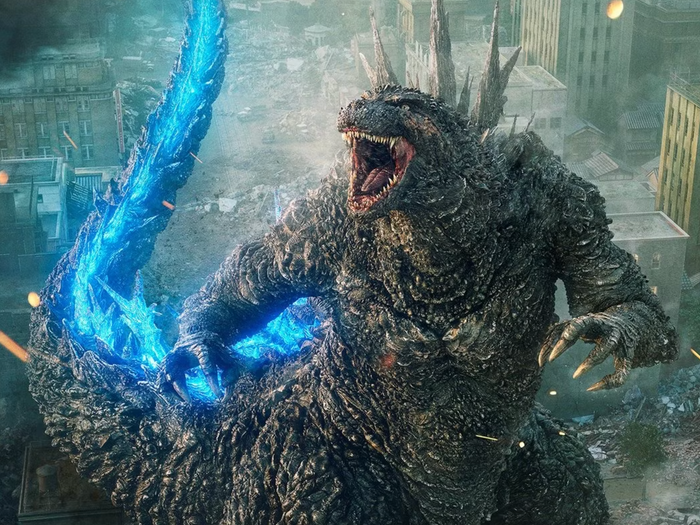
In the final operation against Godzilla, Koichi seems prepared to fly his aircraft into the monster with explosives aboard. The setup invites us to expect a familiar redemption arc: a disgraced pilot finally fulfills the suicide mission he failed to complete during the war. But the film refuses that ending.
Koichi ejects. He survives. The crew has helped arrange for him to live, rather than die heroically. As Netflix’s official ending explainer recounts, the aircraft’s safety mechanism becomes essential to the conclusion. This is the film’s biggest plot twist in moral terms, not merely a clever action beat.
Koichi does something enormously brave, but courage is no longer confused with death. He fulfills his responsibility to the people he loves by fighting and coming back. He also accepts the harder consequence: he will have to continue living with memory, grief, uncertainty and everything he has survived.
There is something almost mischievous about a spectacular blockbuster ending in an argument against the kind of sacrificial heroism that blockbusters so often celebrate.
Did Godzilla die? And what was regenerating in the water?
The final attack appears to destroy Godzilla. But the film then reveals pieces of his remains regenerating beneath the ocean’s surface. The monster is not conclusively gone. This isn’t merely an empty franchise tease; it preserves the idea that surviving a crisis does not mean danger has been permanently defeated.
We should resist making the symbolism too neat, though. Koichi doesn’t conquer trauma forever in one dramatic instant. Nations don’t recover from war in a single battle. Godzilla’s return is, in one sense, the genre doing what it always does. In another, it makes the emotional argument more realistic: the threat may return, and life is still worth choosing.
Why its relatively modest visual-effects budget became part of the story
The Oscar for Best Visual Effects helped transform Minus One into an international conversation. The film’s production was reportedly made for a fraction of the budgets associated with Hollywood tentpole effects films. Nippon.com’s behind-the-scenes coverage describes the team’s efficient effects approach, while the Netflix guide confirms its historic Academy Award.
But I think the lesson is frequently misread. People ask how the team created such impressive effects without spending hundreds of millions. A more interesting question is why the effects feel expensive. The answer is partly that every destruction scene is anchored to places and lives we have already been taught to care about.
Good effects don’t make a film human. A human story makes the effects frightening.
How Minus Zero changes the meaning of the first film
Godzilla Minus Zero now exists, so we can consider Minus One as the first half of a developing story rather than an isolated miracle. The sequel puts the characters back into crisis and explores the temptation to turn the monster’s power into a controllable military asset.
My reading of the two films is straightforward: Minus One asks whether a life belongs to the person living it; Minus Zero asks what happens when institutions try to claim that life again for a supposedly greater purpose. The distinction becomes even clearer in our comparison of the two movies.
Frequently asked questions
| Question | Answer |
|---|---|
| Why is the movie called Minus One? | War reduced Japan to zero; Godzilla takes it below zero |
| Does Koichi die? | No. He ejects from the aircraft and survives |
| Does Noriko survive? | Yes, though her mysterious neck mark raises new questions |
| Is Godzilla dead? | No definitive death; his remains begin regenerating |
| Is Minus Zero a direct sequel? | Yes, it follows the Shikishima family in 1949 |
| What is the deeper meaning? | Our interpretation: survival and ordinary life are worth more than compulsory sacrifice |
Explore PYLCROW’s Godzilla coverage: Do you need to watch Minus One before Minus Zero? · Minus One vs Minus Zero: which one is better? · Minus Zero ending explained in full. For another science-fiction story about who has the right to exist, see our Blade Runner 2099 preview.
Sources
Japanese Film Database — official film details and title premise; Netflix Tudum — film ending and Oscars; RogerEbert.com — film review; The Guardian — historical themes; Nippon.com — VFX production background; official sequel page. Film stills credited to TOHO; symbolic interpretations are PYLCROW editorial opinions.
The real surprise of Godzilla Minus One was never that a man might die defeating the monster. It was that he could be brave enough to live afterward.